



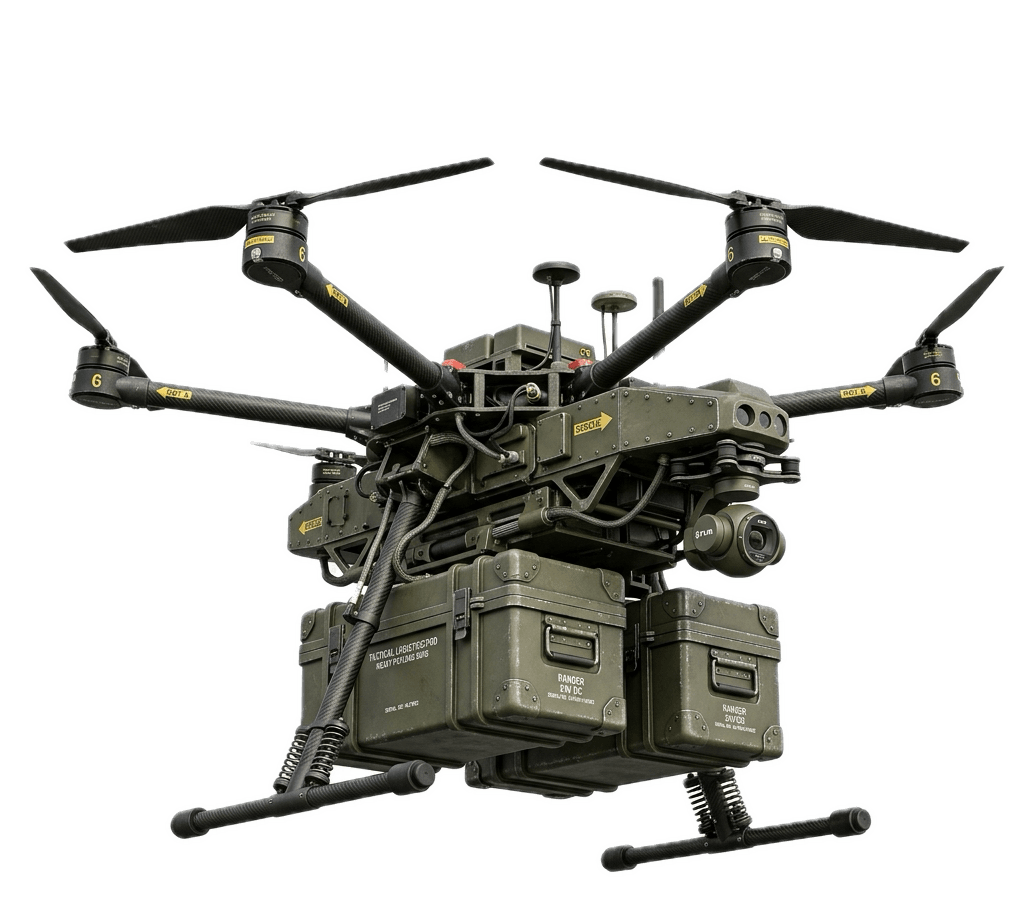

Aerial systems
Payload budgets, link budgets, and operational envelopes translated into test plans and integration milestones you can defend in review.
DronesMechanical, electrical, and software constraints on one thread - so prototypes survive environmental stress and operators get systems they can maintain.
Payload budgets, link budgets, and operational envelopes translated into test plans and integration milestones you can defend in review.
DronesSchematic discipline, bring-up rigor, and interface contracts that reduce rework between lab and field.
HardwareMechanisms, controls, and safety boundaries treated as one system - not three handoffs.
RoboticsMaterials choices and packing constraints balanced against mission timelines and training burden.
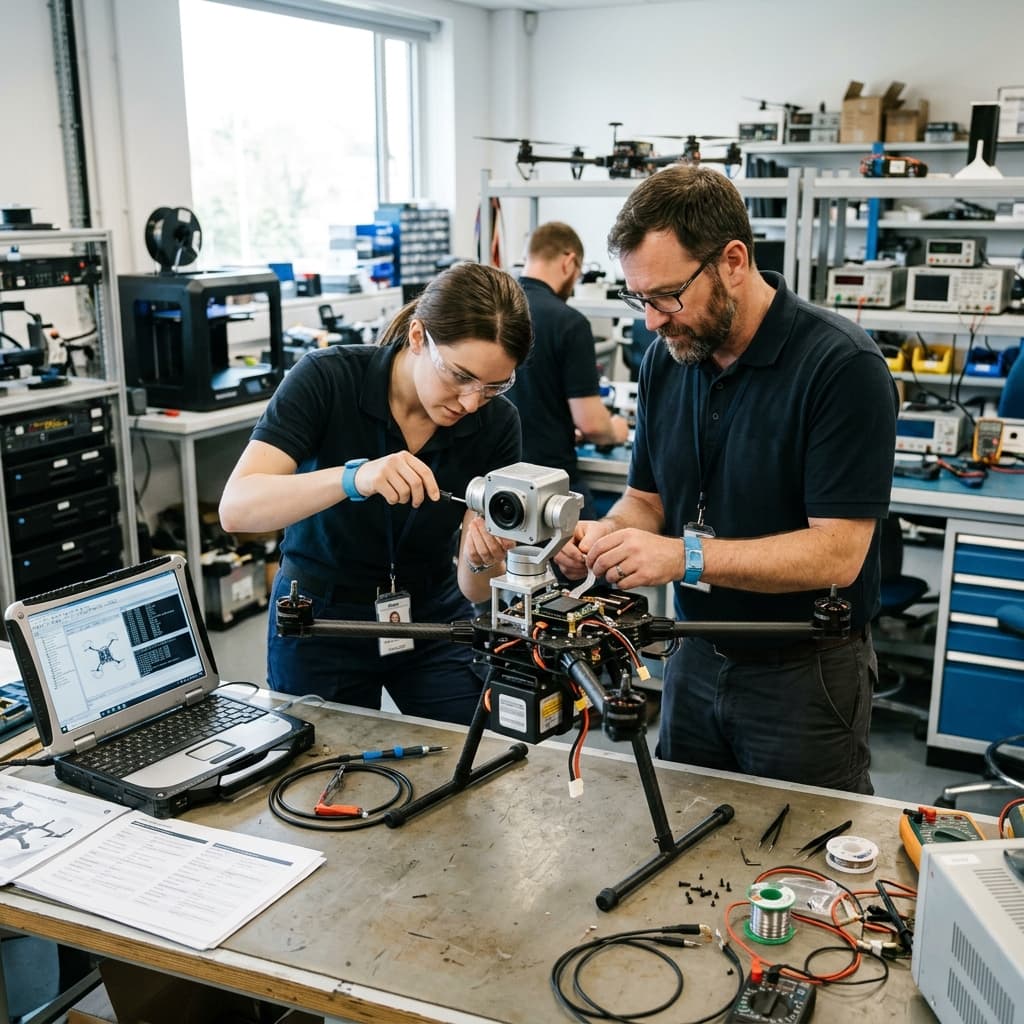
TentsClass down the right airframe family, energy architecture, and growth path before you lock suppliers or tooling. We engineer precise multirotor, fixed-wing, and VTOL architectures for demanding tactical edge environments, ensuring payload integrations and link margins match mission profiles.
From secure C2 links to resilient power distribution, our prototyping handles extreme thermal cycles, EMI/EMC compliance, and verifiable BVLOS autonomy so your aerial fleet flies dependably in GPS-denied or heavily contested zones.
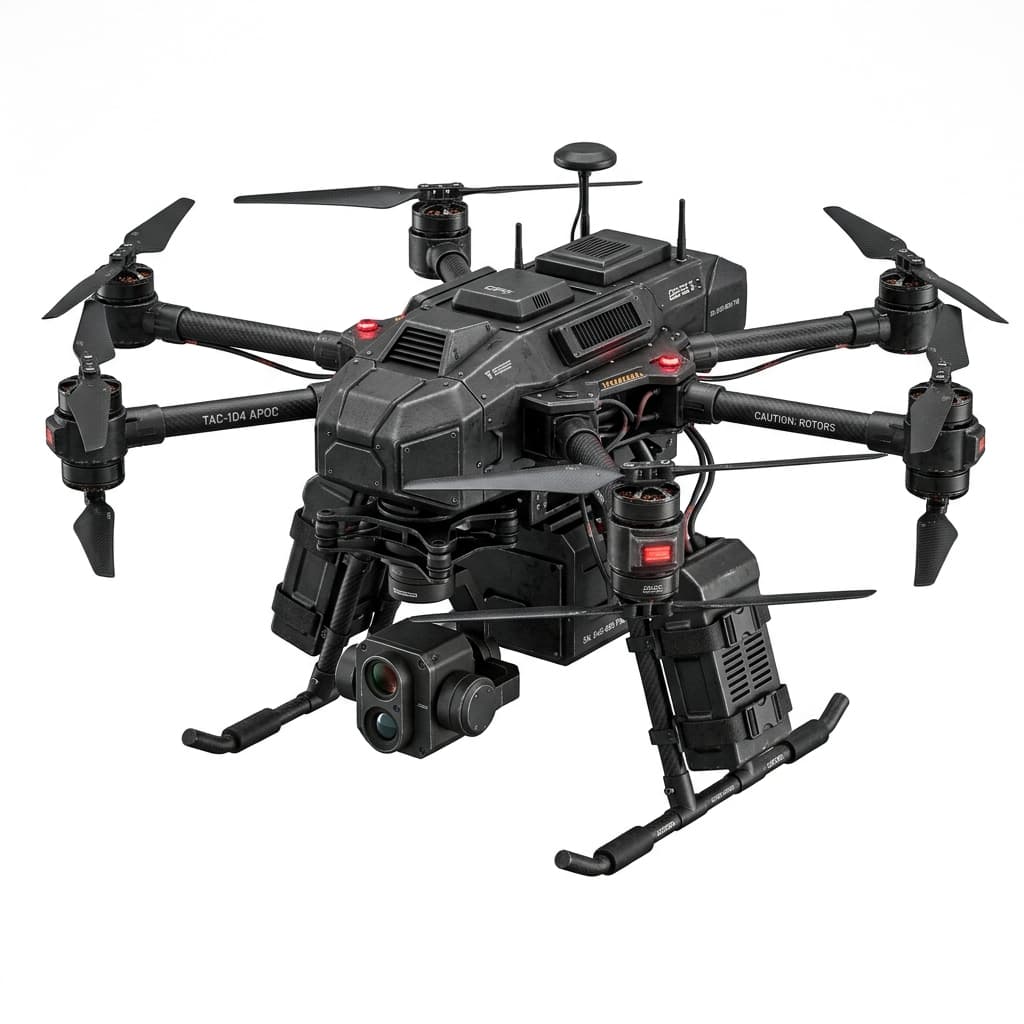
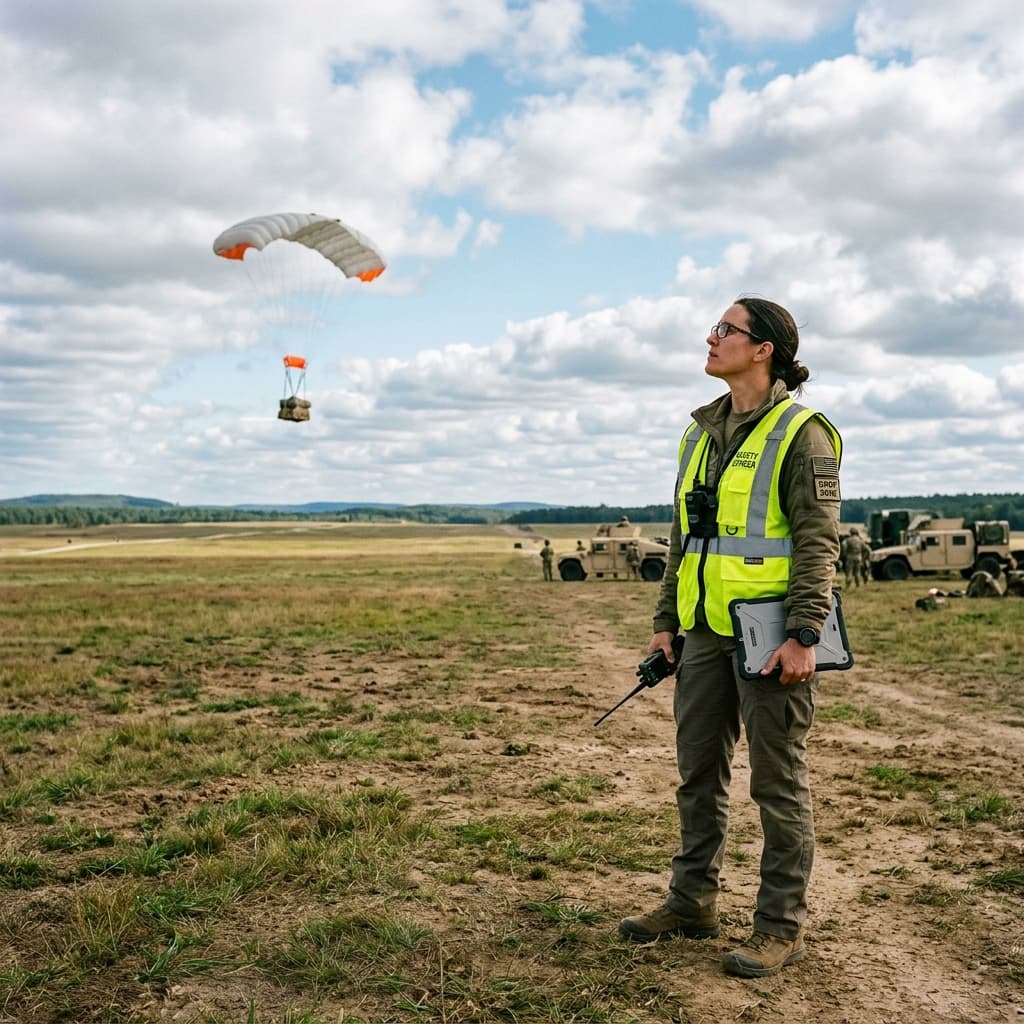
Translate massive kinetic loads and extreme deployment parameters into structurally sound, fully validated deceleration systems. Master heavy cargo, tactical free-fall, and ordnance recovery with traceable drop-testing evidence.
We integrate custom rigging, reliable release mechanisms, and multi-stage reefing logic into your descent profiles. Focus on mission recovery and survivability, while we deliver rigorous wind tunnel modeling and drop-test validation.
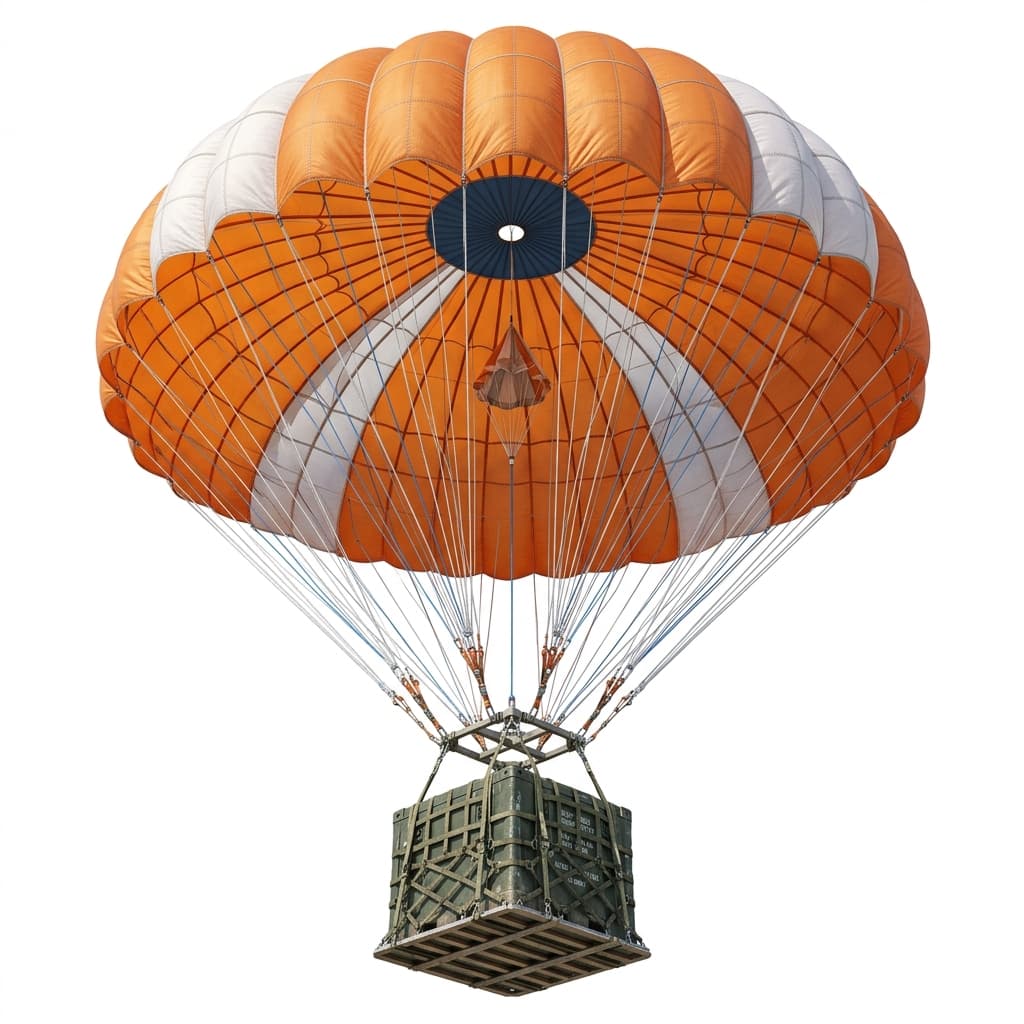
Survive salt fog, catastrophic shock, and thermal extremes. We engineer and localize deep-tech PCB layouts and embedded platforms optimized for ruthless multi-domain military specifications, backed by comprehensive EMI/EMC strategies.
We eliminate blind spots in power distribution, signal integrity, and harness routing before the board spins. From initial architecture reviews to component obsolescence mitigation and test fixtures, we secure the foundation of mission-critical field control.
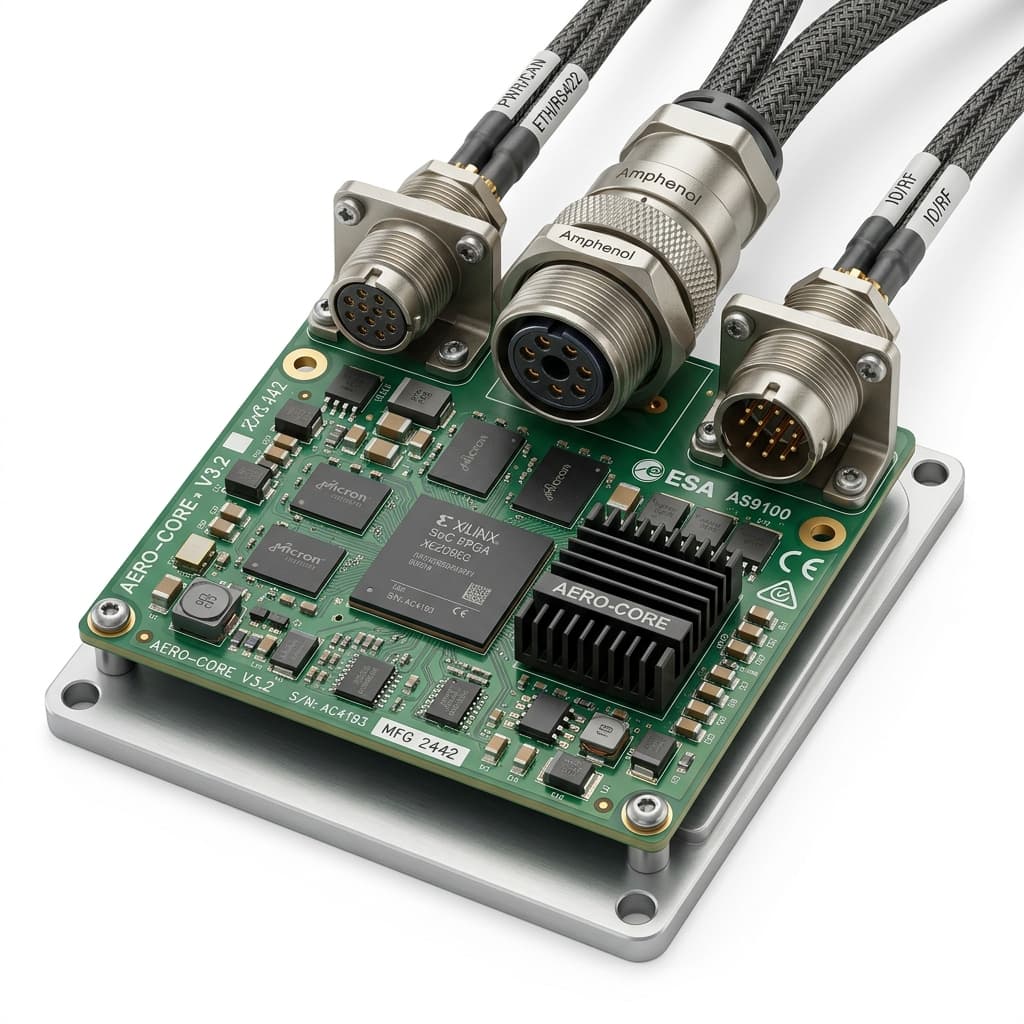
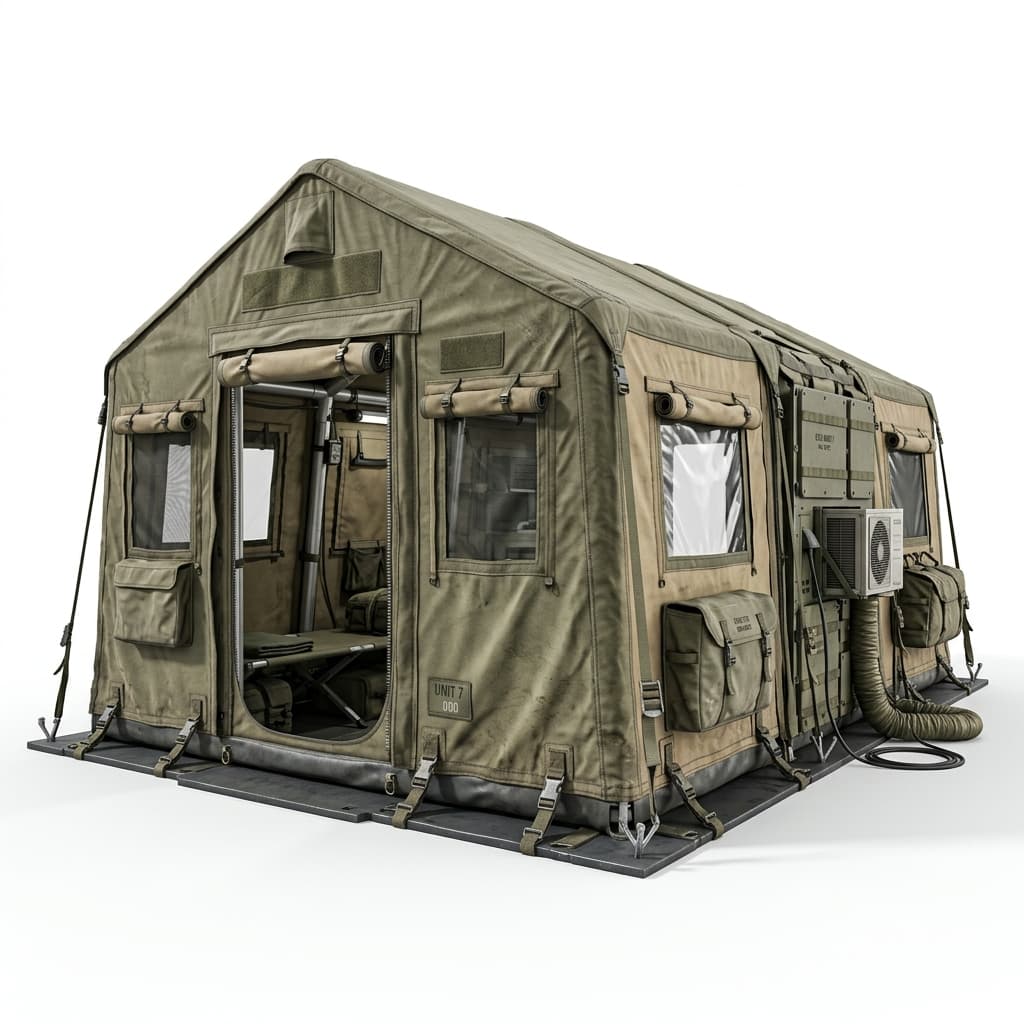
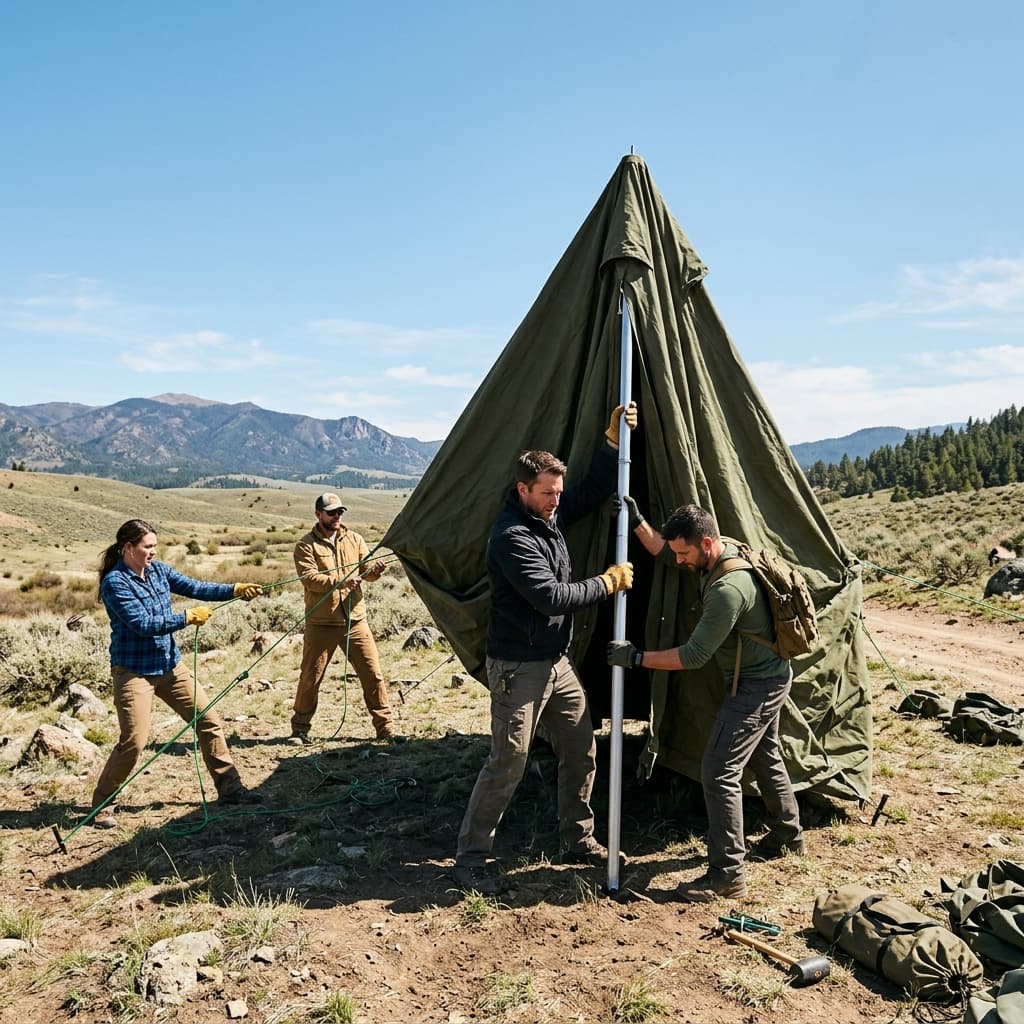
Deploy reliable operational footprints anywhere. We design expeditionary soft-wall shelters, scalable command posts, and sterile medical enclosures built strictly for long-term military endurance and rapid deployment.
By integrating smart anchoring, modular structural framing, and turnkey electrical, heating, and cooling sub-systems, we translate complex base camp requirements into reliable operational readiness that deploys in minutes.
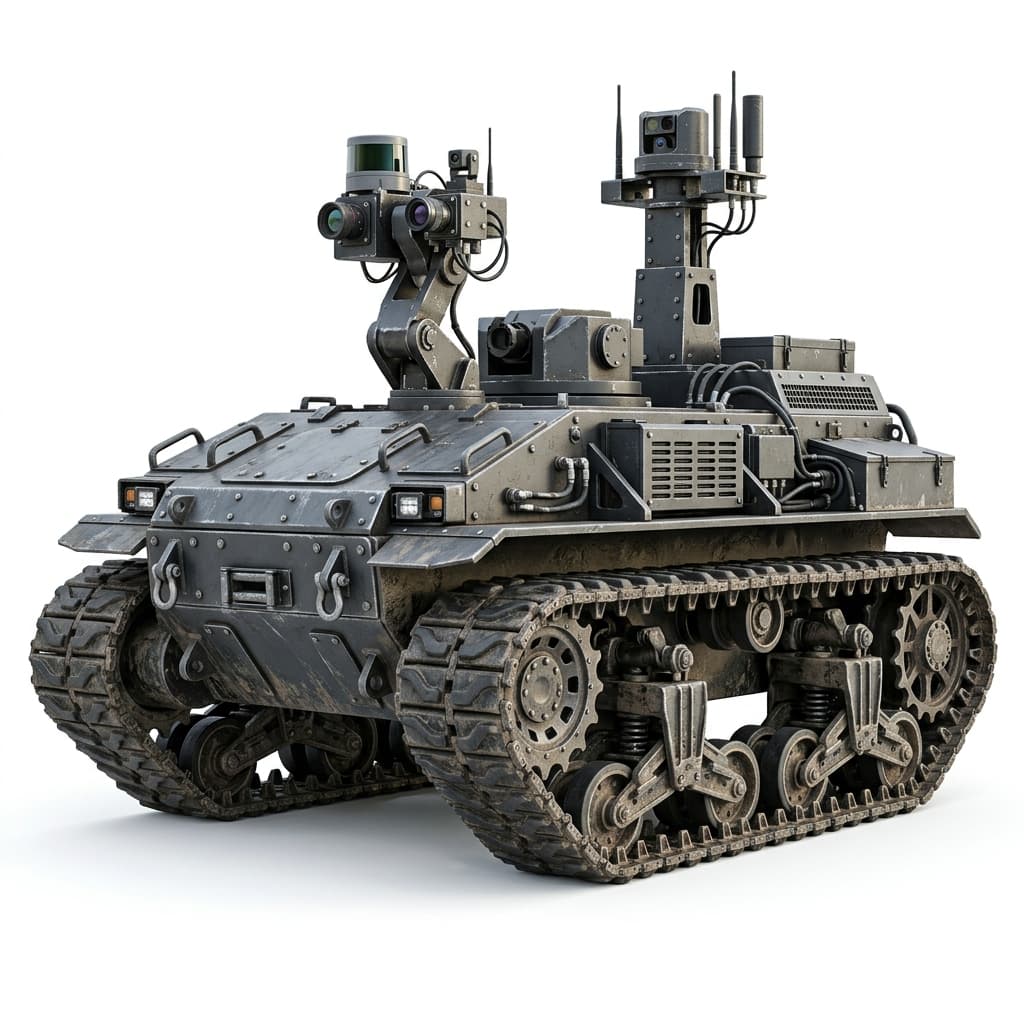
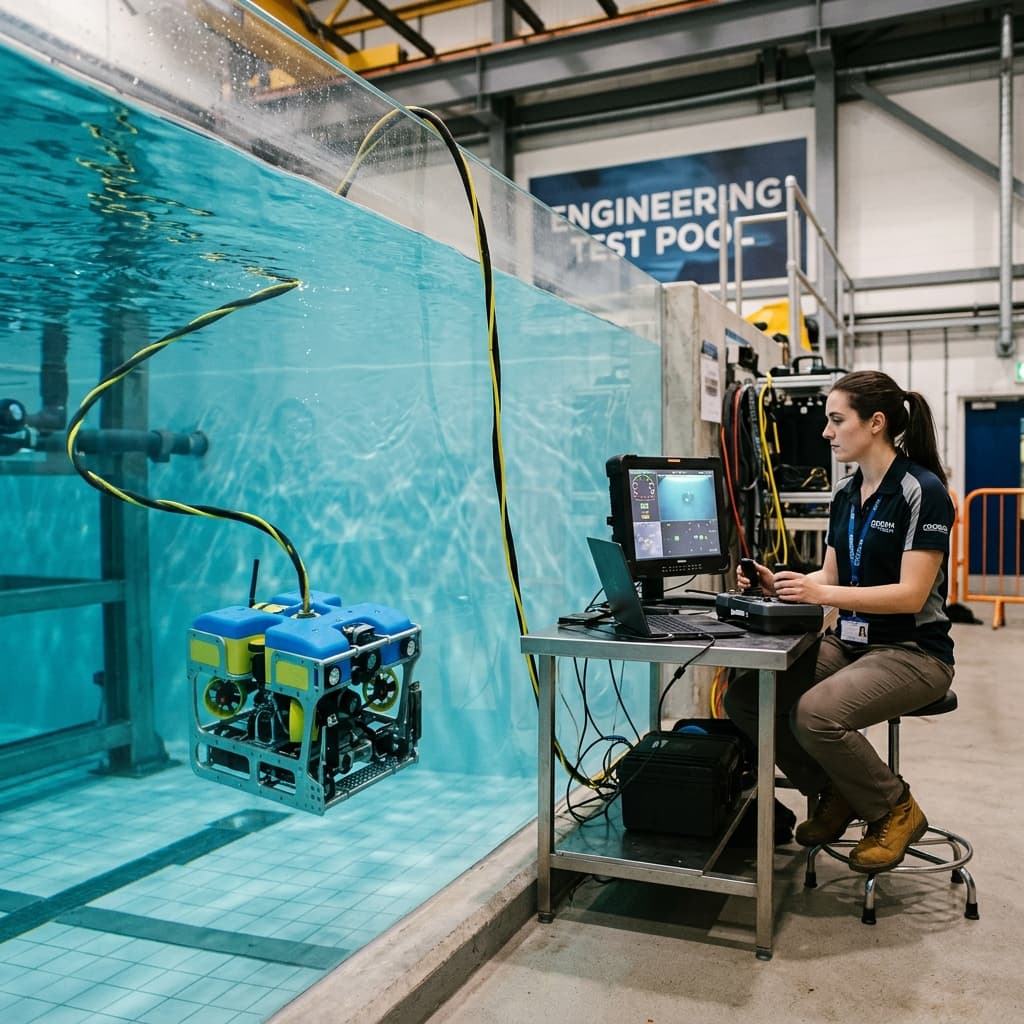
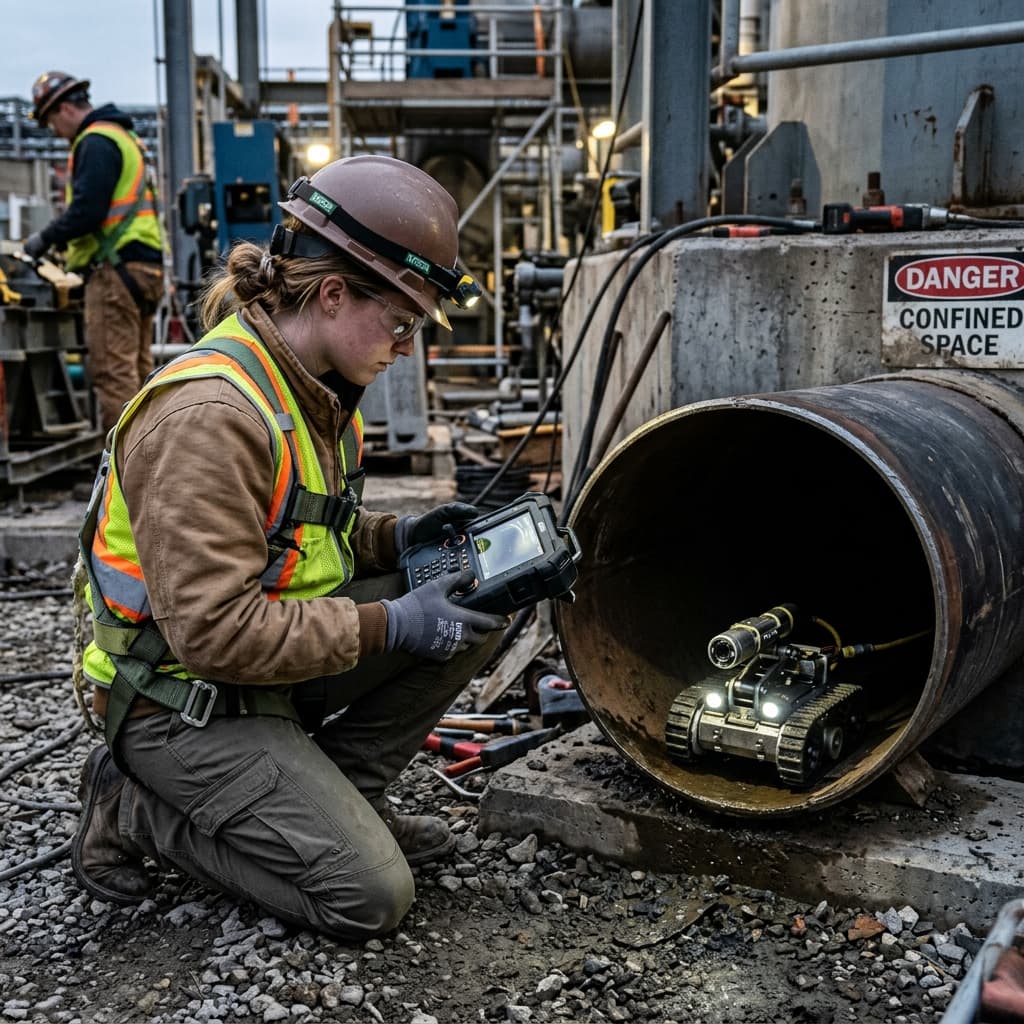
Execute multi-modal SLAM, advanced kinematics, and resilient control in GPS-denied environments. Scale from bench validation through swarming tactical fleet integrations and verifiable autonomy frameworks.
We connect complex actuator mechanisms, computer vision payloads, and human-machine interface layers. Whether retrofitting legacy unmanned ground vehicles or designing custom exo-mechanisms, our rigorous simulations lock down your hardware and software handshakes.
End-to-end
Design through field support
5
Primary engineering disciplines
Field-first
Documentation operators can use
A practical path from rough requirements to something you can exercise in the field - with traceability, not slide fiction.
We capture constraints, interfaces, and success measures up front so mechanical, electrical, and software owners share one definition of done.
Breadboard, bench, and simulation where it matters - with explicit exit criteria before expensive integration or tooling commitments.
We build test evidence alongside the product: environmental checks, interface validation, and failure modes your operators can recognize.
Handover packs, sparing thinking, and training hooks so the system stays usable after the core team rotates.
Hardware programs fail at interfaces. We keep requirements, CAD, firmware, and test plans aligned so surprises show up in the lab - not on mission day.
They didn’t disappear after the first review package - they stayed in the integration loop until the system behaved where it actually had to run.
Stay connected with our latest updates, press releases, and upcoming events.
 Article | Apr 19, 2026
 Article | Apr 19, 2026
 Article | Apr 19, 2026
 Article | Apr 19, 2026
 Article | Apr 19, 2026
 Article | Apr 19, 2026
 Article | Apr 19, 2026
 Article | Apr 19, 2026
Tell us what you’re building, where it must run, and what “done” means. We’ll come back with a clear next step - scope, risks, and owners.