

Engineering
Stratospheric HAPS
Deploy satellite-equivalent communications and sensing capabilities using extreme-endurance, solar-regenerative atmospheric drones.
How we approach Stratospheric HAPS
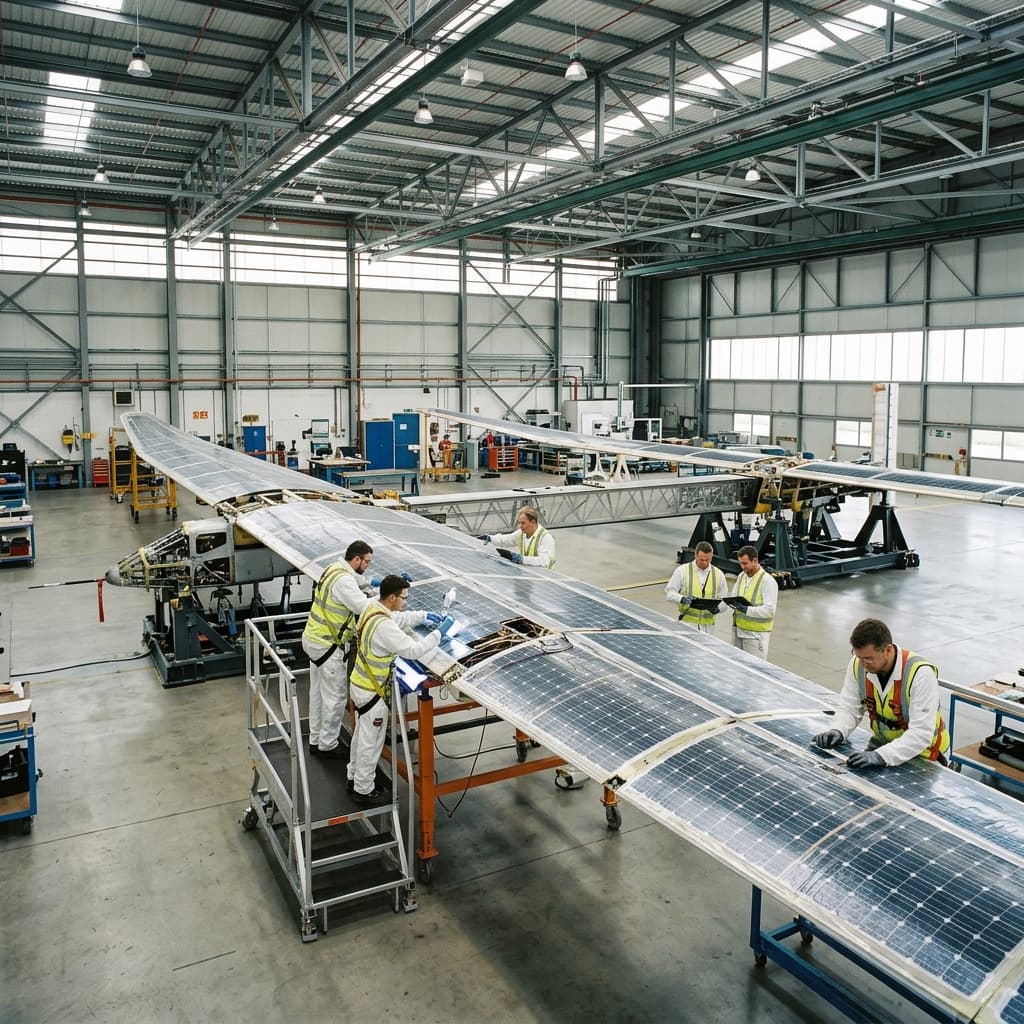
Geosynchronous satellites are expensive and rigid. Our High Altitude Pseudo-Satellites (HAPS) utilize ultralight wingspans covered in flexible photovoltaic laminates bridging the gap between satellites and traditional aircraft. By operating safely above commercial airspace and extreme terrestrial weather, HAPS deliver orbital-class persistence at a fraction of traditional aerospace budgets.
The engineering mathematics required to sustain 65,000-foot operational altitudes are absolutely punishing. The atmosphere is vanishingly thin, requiring massive, high-aspect-ratio composite wingspans to generate lift, while temperatures plummet to devastating extremes. We expertly balance structural rigidity against ultra-lightweight aerodynamic profiles.
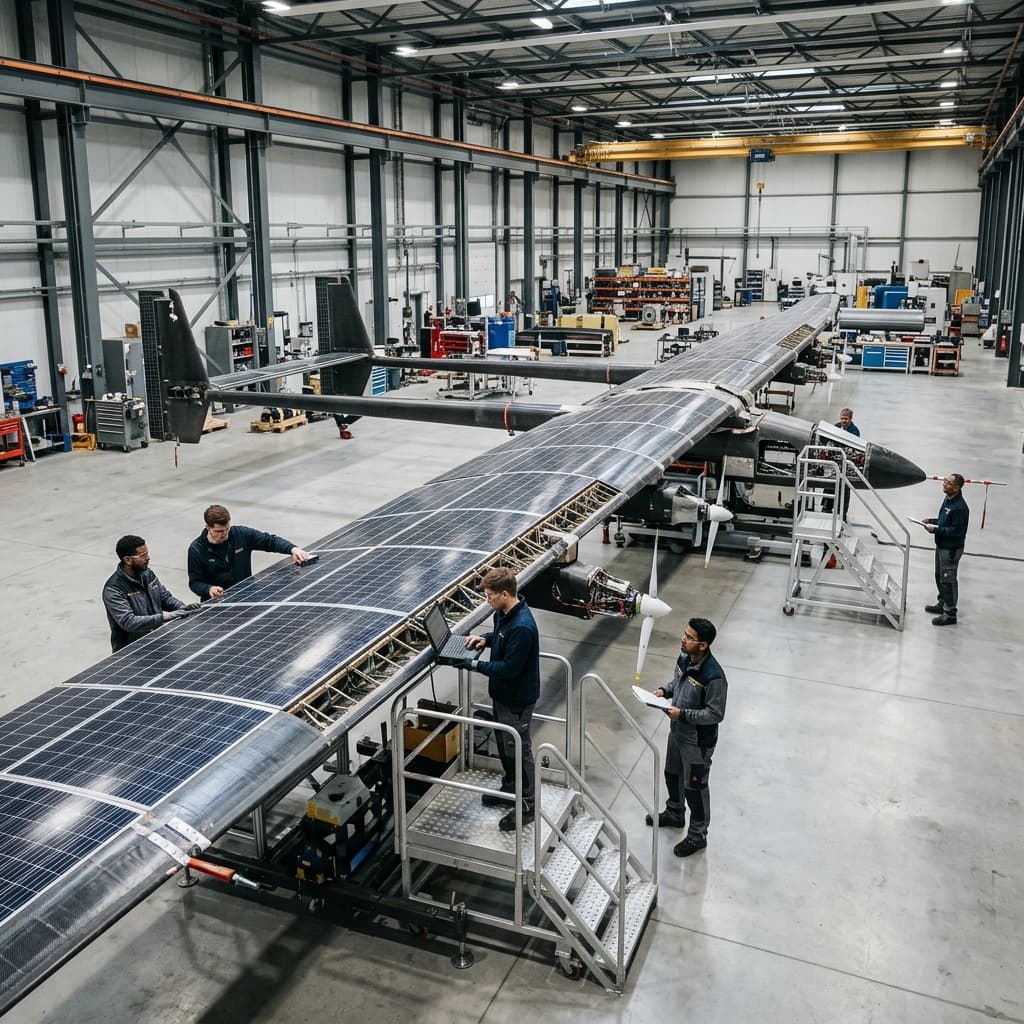
Cruising autonomously in the stratosphere above weather, these platforms act as localized mobile cell towers or persistent high-resolution orbital cameras, capable of loitering over specific geographic theater coordinates for months without landing. They effectively function as rapidly repositionable telecommunications infrastructure.
Energy economics entirely dictate HAPS feasibility. The platform must aggressively harvest enough solar energy during the daylight hours to continuously power its propulsion, heat its sensitive payload bays, and fully charge advanced solid-state batteries to survive the long, bitterly cold stratospheric nights without losing altitude.
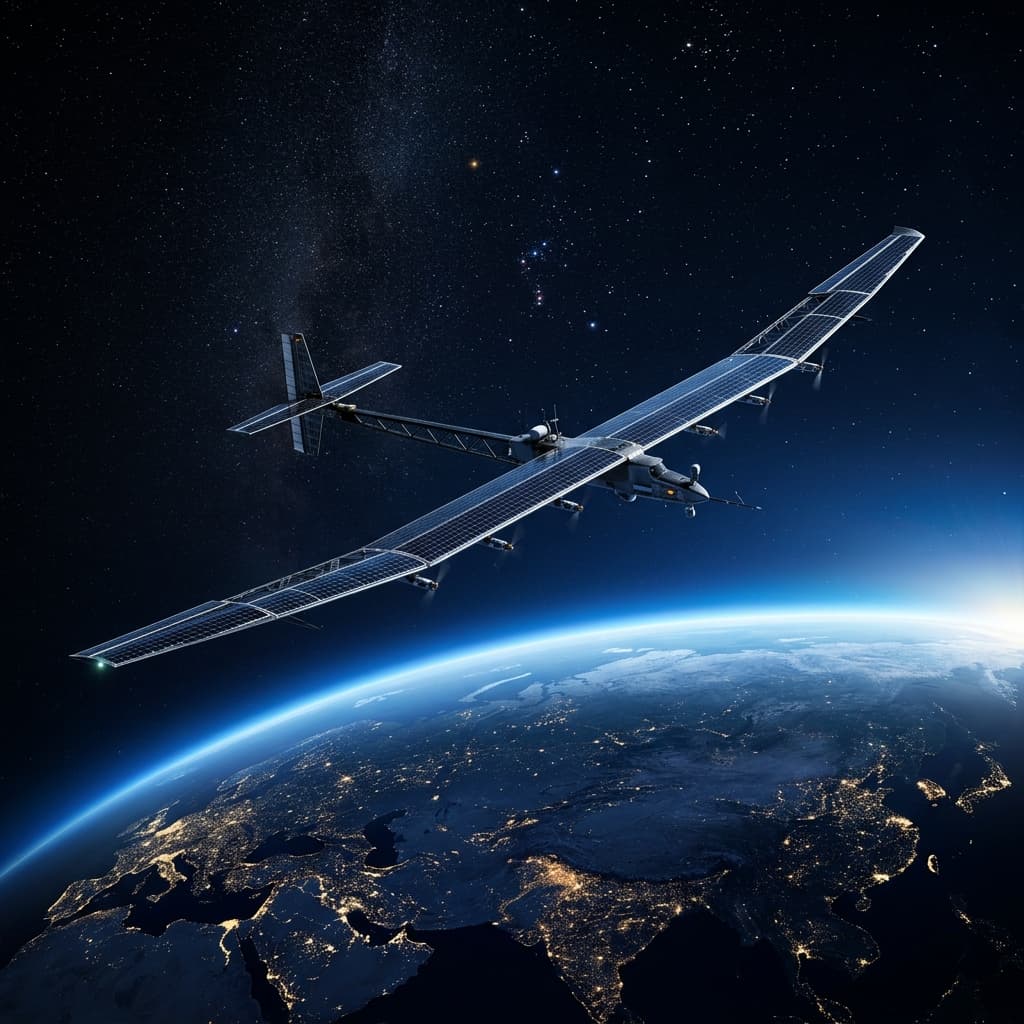
Propulsion at these altitudes demands incredibly specialized oversized propellers turning at highly optimized, extremely slow RPMs. We integrate heavily customized brushless motors wound specifically to operate effectively within an environment featuring less than 7% of sea-level air density.
Ultimately, deploying a HAPS platform fundamentally alters strategic timelines. Instead of waiting years to launch a dedicated spy satellite, military commanders can quickly launch a HAPS asset from a localized runway, establishing a permanent, unblinking surveillance eye over an emerging conflict zone within mere days.

Related areas in this practice
Atmospheric Satellite Architectures
Executing operations at 65,000 feet requires mastery of extreme thermal management and ultra-efficient kinetic glide ratios.
- Next-generation solid-state batteries optimized for extreme sub-zero stratospheric soaking.
- Photovoltaic energy harvesting tuned dynamically mathematically for varied latitudinal radiation grids.
- Lightweight multispectral sensor payloads delivering near-real-time persistence over wide areas.

Talk with engineers who own the work
Request a technical pass on Stratospheric HAPS: constraints, risks, and a practical next step with clear assumptions.