

Engineering
Lifecycle sustainment
Obsolescence, updates, and spares strategies that keep fleets airworthy through change.

How we approach Lifecycle sustainment
Proactive lifecycle sustainment purposefully keeps massive hardware fleets dynamically airworthy spanning across inevitably creeping component obsolescence, massive branching software updates, and grueling mechanical operational wear. Recognizing that over 70% of an aircraft's total cost is accumulated after it leaves the factory, we engineer platforms specifically optimized for deep aftermarket serviceability.
We explicitly define stringent configuration accounting protocols, total software bill of materials visibility, and deliberate upgrade deployment policies precisely balancing ongoing fleet safety against required feature velocity. This prevents the nightmare scenario of managing a fleet fragmented across dozens of undocumented firmware states.
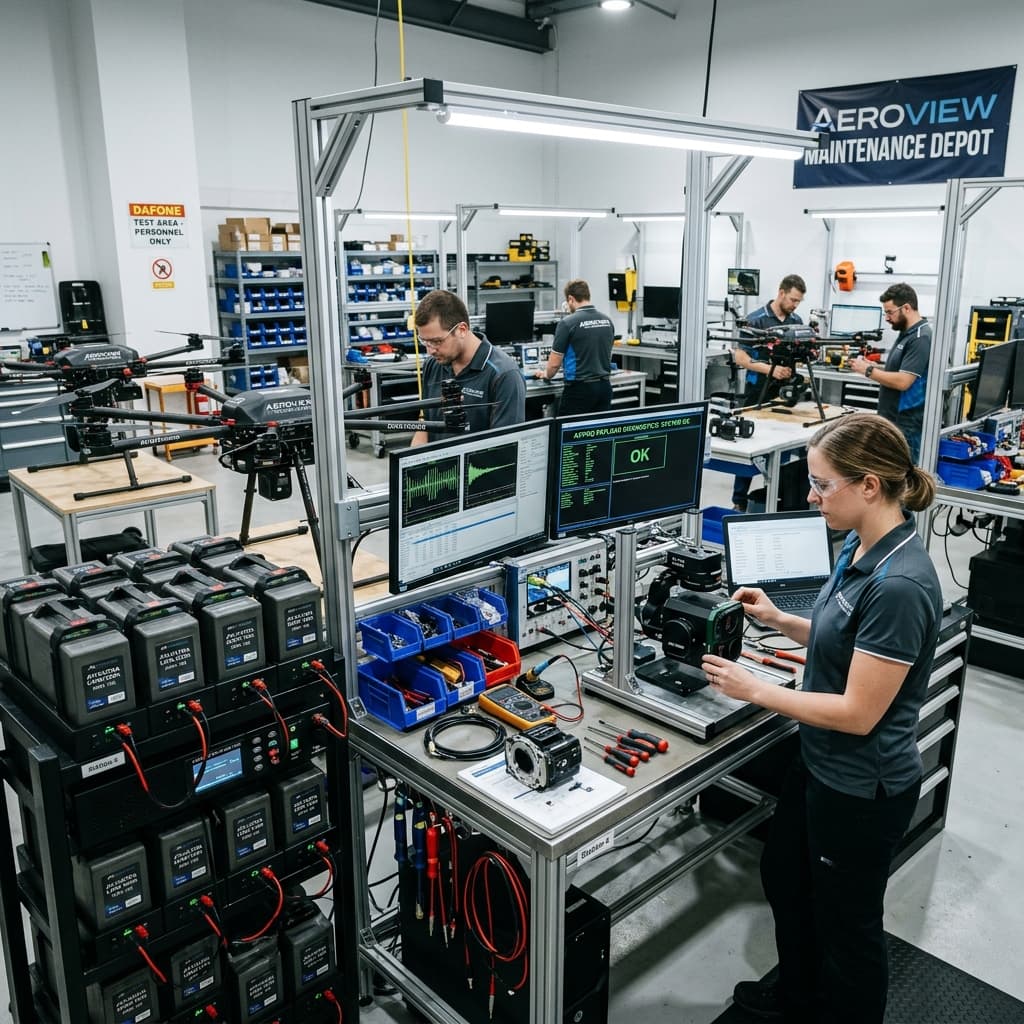
Logistical spares strategies intricately reflect extended manufacturing lead times, line replaceable unit diagnosis times, and exceptionally complex regional logistics realities crucial for sustaining remote operations globally. Knowing exactly which bearings are mathematically likely to fail at 500 hours allows us to pre-position replacement parts before grounding events occur.
Mitigating silicon obsolescence is an ongoing, violent battle. As critical microprocessors or IMU components reach their end-of-life notices, we proactively orchestrate localized redesigns of internal avionics boards. We ensure these form-fit-function replacements integrate seamlessly without mandating a hugely expensive re-certification of the entire aircraft.
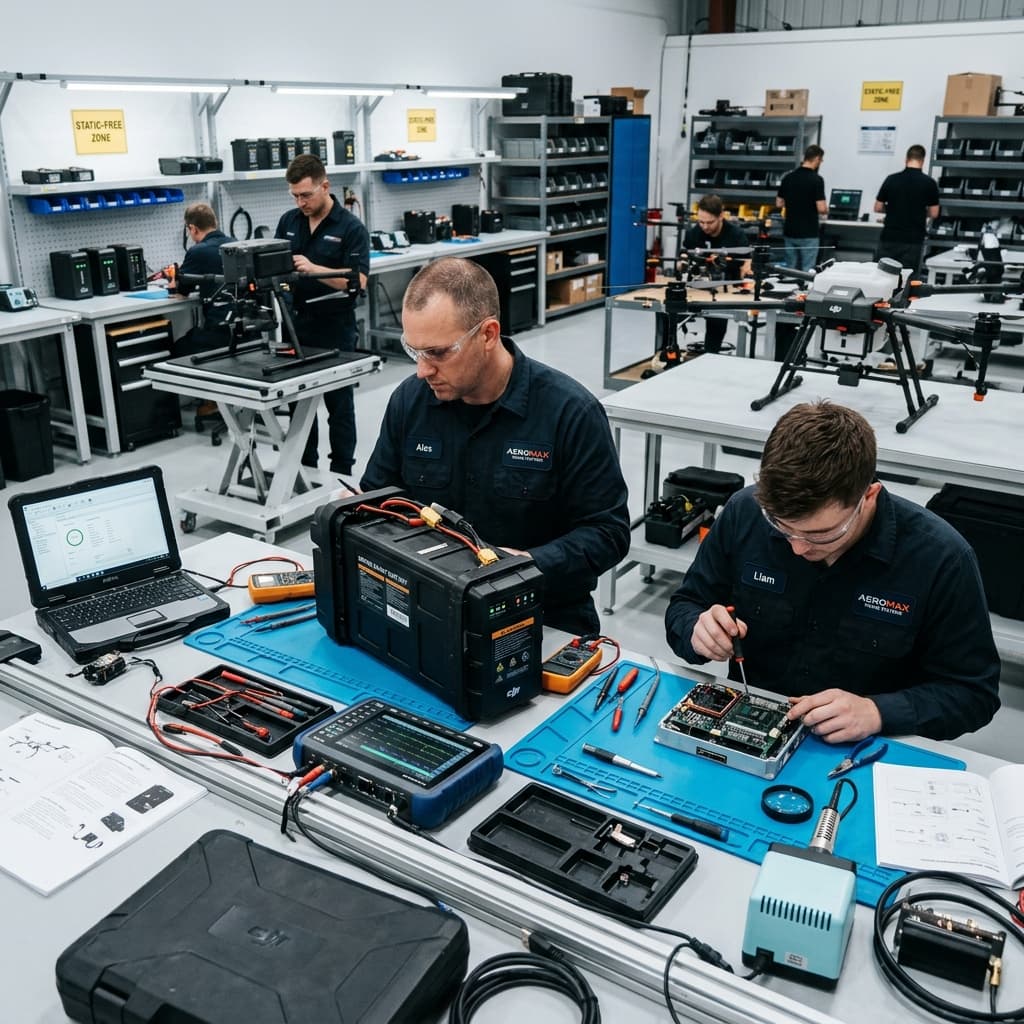
Battery lifecycle economics fundamentally dictate the total cost of enterprise drone operations. We implement advanced fleet management telemetry tracking the precise internal resistance and charging decay curves of every individual cell block. This data-driven approach safely maximizes battery utilization while catching impending thermal runaway risks long before they threaten an airframe.
Ultimately, sustainment connects back to original manufacturing through continuous reliability engineering loops. Failed components recovered from field operators undergo rigorous teardowns and metallurgical analysis. The empirical evidence generated directly influences mid-cycle manufacturing updates, driving a perpetual, aggressive reduction in overarching fleet maintenance costs.

Related areas in this practice
Engineering massive fleet longevity
True platform sustainment remains incredibly intense active engineering work. Forecasting structural wear models, actively managing microchip substitutes, and tightly controlling aerodynamic drift across completely disparate geographical operational sites.
- Relentless supply chain obsolescence component monitoring triggering immediate second sourced manufacturing strategies.
- Uncompromisingly rigid fleet wide software deployment rollout queues paired with automated instantaneous rollback discipline.
- Dynamic predictive maintenance intervals completely informed strictly by onboard usage telemetry data profiles rather than abstract basic calendar timeframes.
Data driven parts retirement
Disposing of complex heavy duty lithium polymer battery packs merely because they reached a specified chronological age wastes enormous amounts of operational budget.
We implement intricate internal cell resistance monitoring tracking historical charging profiles. This granular empirical approach allows logistics teams to confidently safely operate packs far beyond generic factory recommendations, retiring massive energy assets precisely right before their performance curves actually initiate dangerous cliffs.

Talk with engineers who own the work
Request a technical pass on Lifecycle sustainment: constraints, risks, and a practical next step with clear assumptions.