



Yes. Through design for manufacturing (DFM) feedback, tolerance analysis, and test plans that scale from prototypes to serial builds.
Engineering
Fixed-wing
Optimize endurance, launch and recovery, and autopilot behavior for corridor and area operations.

How we approach Fixed-wing
Fixed wing systems trade stall margins, cruise efficiency, and launch recovery modes against your operational footprint. We help define wing loading, propulsion matching, and autonomy behaviors for stable, efficient flight in your corridor or area. Correctly sizing these parameters early prevents downstream compromises in mission endurance or payload capacity.
Stability and control derivatives feed into sensor pointing and autopilot tuning so mapping or inspection missions hit overlap and resolution targets without overstressing structures. We rigorously test these derivatives across a matrix of center-of-gravity shifts and crosswind conditions to build a resilient, deterministic flight envelope.
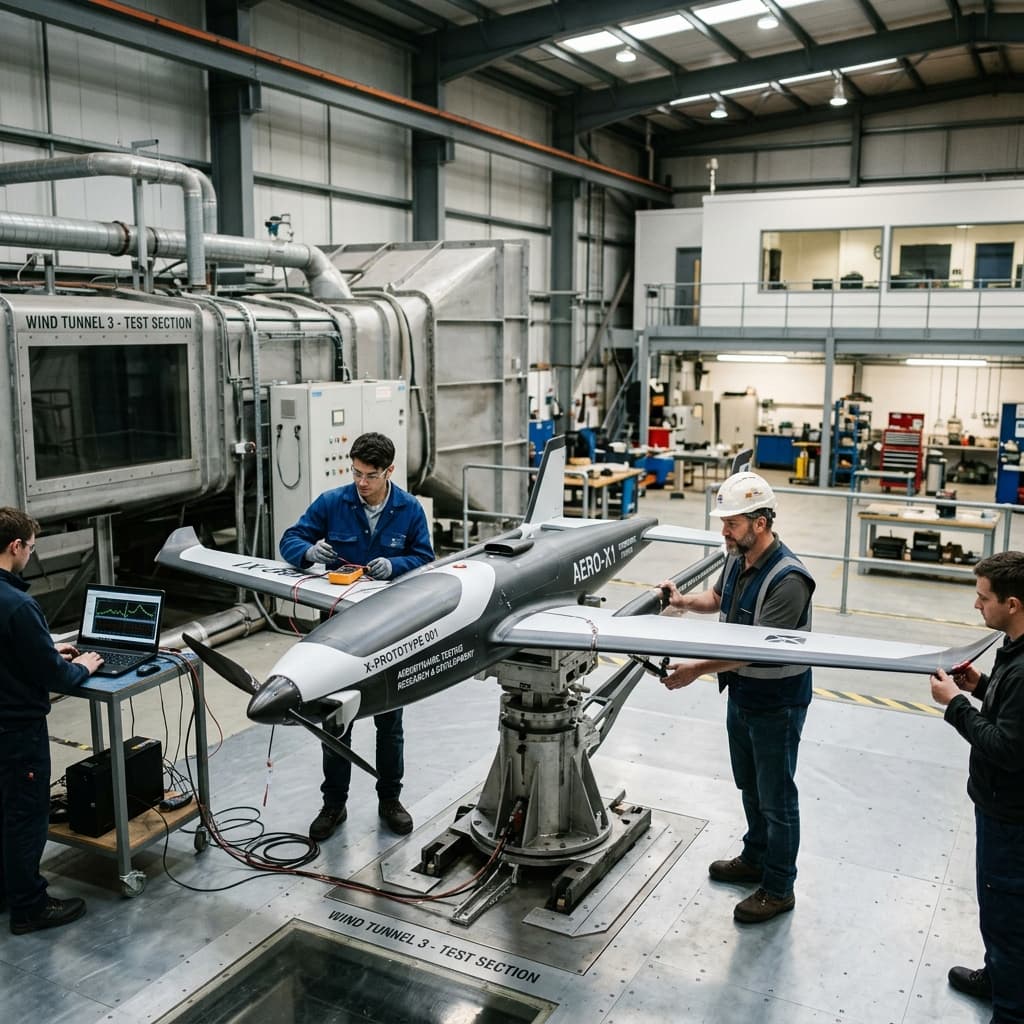
Transitioning a fixed-wing design from a conceptual aerodynamic model to a field-ready asset requires meticulous attention to structural load paths. We mandate comprehensive finite element analysis during the detail design phase, specifically targeting the wing root and empennage junctions, ensuring they can effortlessly withstand turbulent airflows and aggressive maneuvering without fatiguing.
Energy management is the lifeblood of long-endurance corridors. Beyond just battery capacity, we optimize the entire propulsion train - propeller pitch, motor efficiency, and ESC thermal dynamics - to squeeze every possible minute of flight time from the energy source while maintaining safe reserves for unexpected go-arounds or loiters.
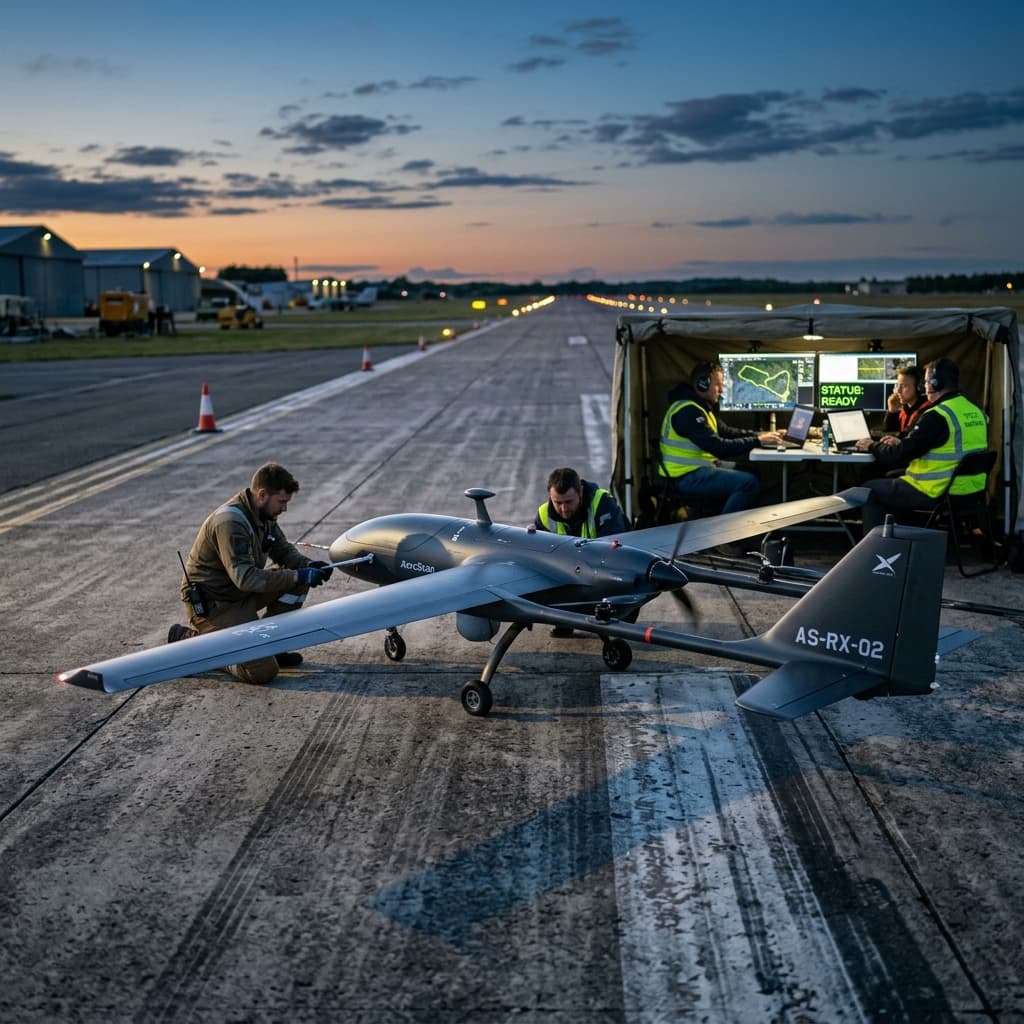
Where runway access is limited, we evaluate catapult, bungee, or hybrid launch options with explicit safety envelopes, translating structural load assumptions into routine field guides that protect airframes. Operator safety and predictable launch dynamics are non-negotiable elements in our procedural design.
Finally, the integration of advanced avionics and redundant control surfaces ensures that single-point failures do not result in mission loss. We supply complete test plans and verifiable data packages that give operators the confidence they need to deploy these assets in challenging airspace, fully supported by undeniable engineering rigor.
Related areas in this practice
Efficiency without surprises
Longer sorties amplify small mistakes in energy accounting. We surface these gaps early by running high fidelity aerodynamic and propulsion correlation studies.
- Cruise and climb profiles aligned to payload duty cycles.
- Structural load paths mapped for the gusts and turbulence expected in service.
- Recovery and abort paths matched to your specific ground infrastructure constraints.
Mastering cruise efficiency
True endurance requires perfect harmony between motor KV selection, propeller pitch, and cruise angle of attack. We analyze complete propulsion trains rather than simple motor bench tests.
By simulating the entire performance envelope from hot and high takeoffs to low density cruise, we define reliable operating limits that maximize your coverage per battery pack without risking premature structural fatigue.
Fixed Wing Engineering FAQ
Common topics for endurance class programs.
Absolutely. We secure compute payloads, route harnessing safely away from primary load paths, and protect sensors from electromagnetic interference.
Related Capabilities
Dive deeper into related engineering streams supporting fixed wing operations.
Aerodynamic Simulation
Computational fluid dynamics applied to payload fairings and cooling channels.
View SimulationFlight Operations Training
Transitioning test flight procedures into scalable crew operating manuals.
Read More

Talk with engineers who own the work
Request a technical pass on Fixed-wing: constraints, risks, and a practical next step with clear assumptions.