

Engineering
Autonomous Underwater Vehicles
Deploy robust hydrodynamic submersibles executing silent stealth reconnaissance across extreme oceanic depths using advanced inertial navigation.
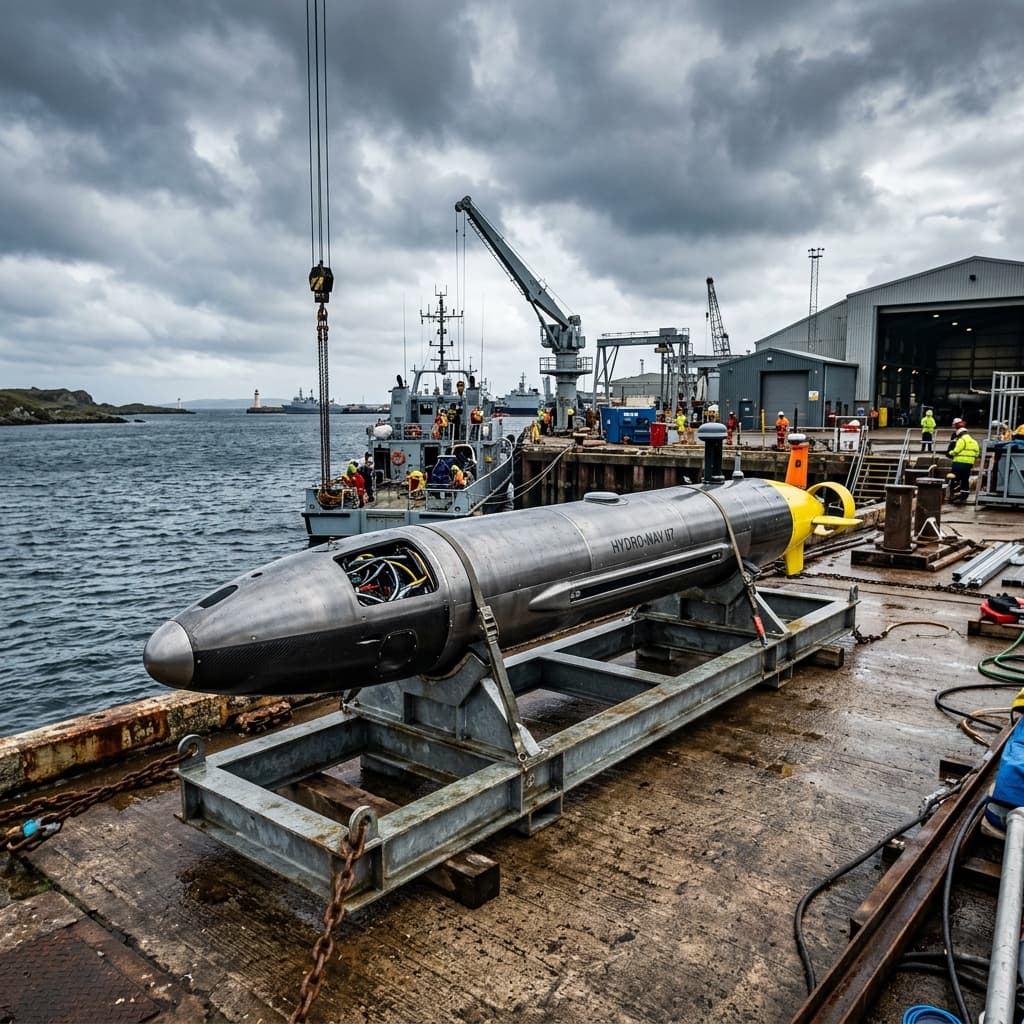
How we approach Autonomous Underwater Vehicles
Operating beyond the reach of atmospheric GPS networks demands extraordinary onboard navigational autonomy. Our Autonomous Underwater Vehicles utilize aerospace grade ring laser gyroscopes tied natively into complex Doppler velocity logs. This massive sensor fusion construct allows the submersible to track absolute sea floor positioning over extended mission durations with minimal drift.
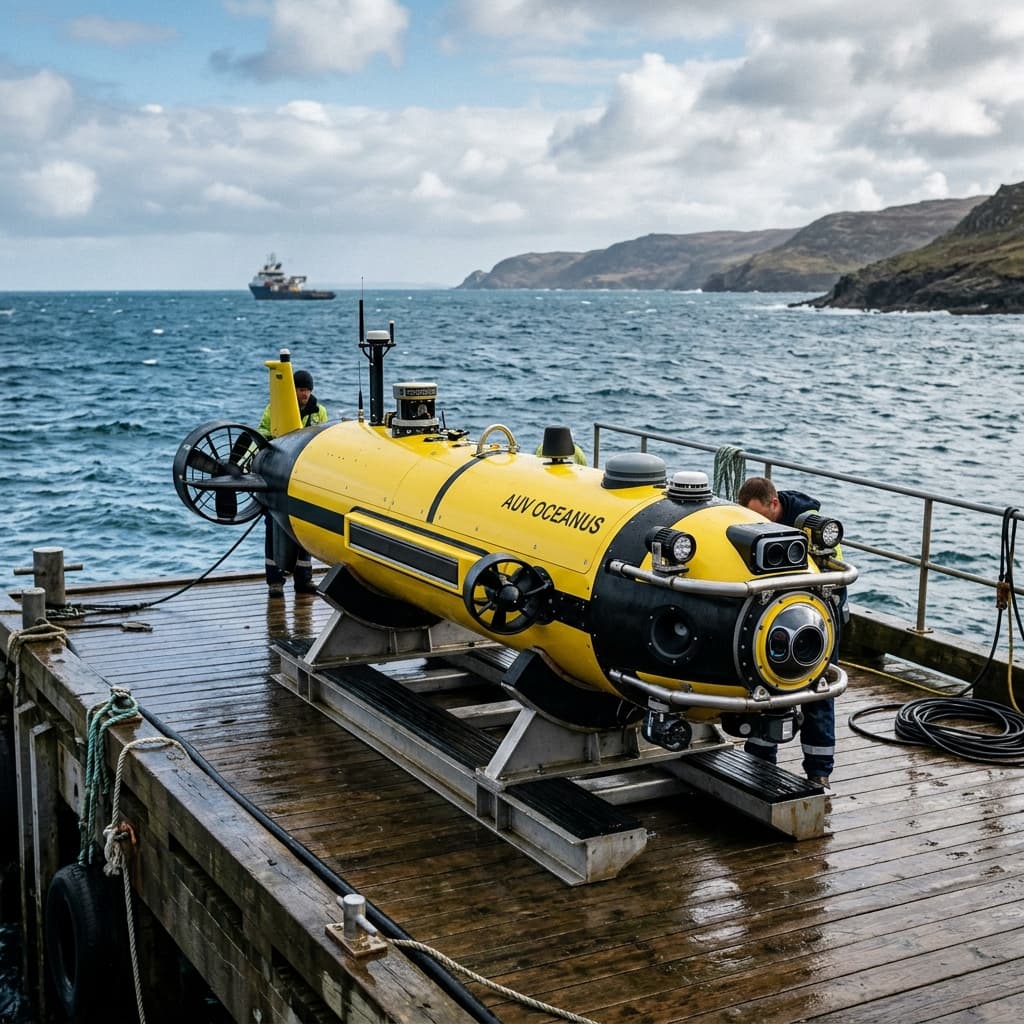
Physical ocean pressures exert immense crushing forces against equipment housings. We enclose critical electronics inside monolithic forged titanium pressure spheres subjected to aggressive hypobaric chamber fatigue cycles. These resilient inner sanctums protect delicate silicon processing modules during descent trajectories exceeding massive bathypelagic zone depths.
Propulsion acoustics present vital signatures during classified operational runs. Utilizing advanced multi phase brushless thruster cores encapsulated inside fluid filled compensation bladders we eliminate volatile cavitation bubbles. This specialized dynamic propulsion geometry guarantees total acoustic stealth minimizing detection by hostile sonar networks.
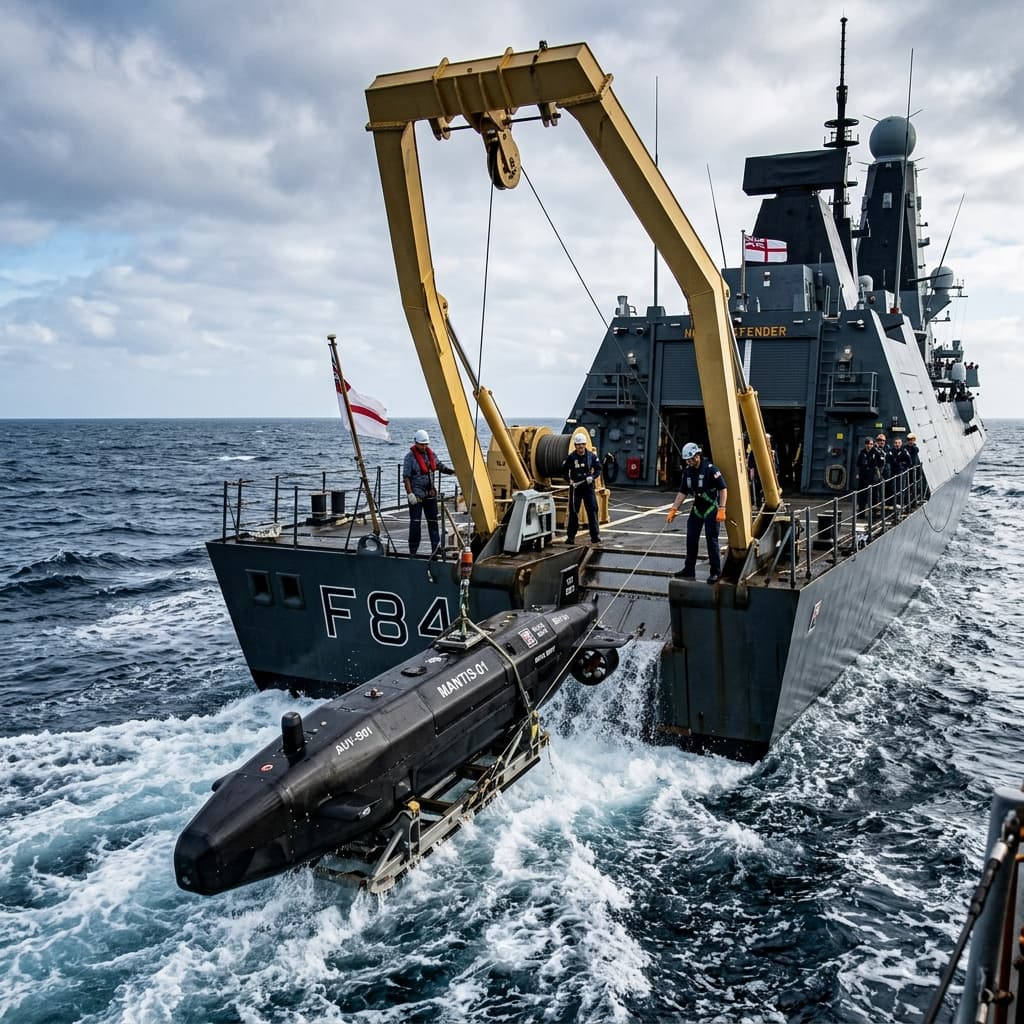
Acoustic modem arrays facilitate complex localized swarm communication logic. Multiple submerged platforms coordinate vast grid search patterns sharing dynamic acoustic telemetry across dense saline environments. Such massive robotic naval integration reduces operational scanning timetables discovering localized targets using unified distributed sonar algorithms.
Power endurance limits traditional underwater exploration mechanics. We integrate specialized deep sea tolerant lithium polymer power banks featuring complex solid state insulating resins. These proprietary battery architectures prevent massive short circuit cascades under extreme barometric loading unlocking extensive loiter times spanning several consecutive weeks.

Related areas in this practice
Navigating deep hostile ecosystems
Delivering pure autonomous capability deep under the ocean surface requires flawless integration bridging rigid material science with extreme environmental physics.
- Specialized synthetic structural foam blocks tuning exact specific gravity ensuring total neutral buoyancy flight profiles.
- High frequency side scan sonar payloads rendering perfect millimeter topology maps exposing hidden unexploded ordnance.
- Automated variable ballast systems controlling passive descent geometry saving total battery endurance for horizontal transit phases.

Talk with engineers who own the work
Request a technical pass on Autonomous Underwater Vehicles: constraints, risks, and a practical next step with clear assumptions.