

Engineering
Harness integration
Deeply integrate human harness geometry and metallic hardware guaranteeing that simple operator comfort tradeoffs never dangerously erode critical release reliability.

How we approach Harness integration
Physical harness integration bridges complex human biomechanics with high tension rigid structural load paths. Asymmetrical risers alter overarching suspension line cascades, while stiff webbing matrices can alter catastrophic opening shock body transmission profiles.
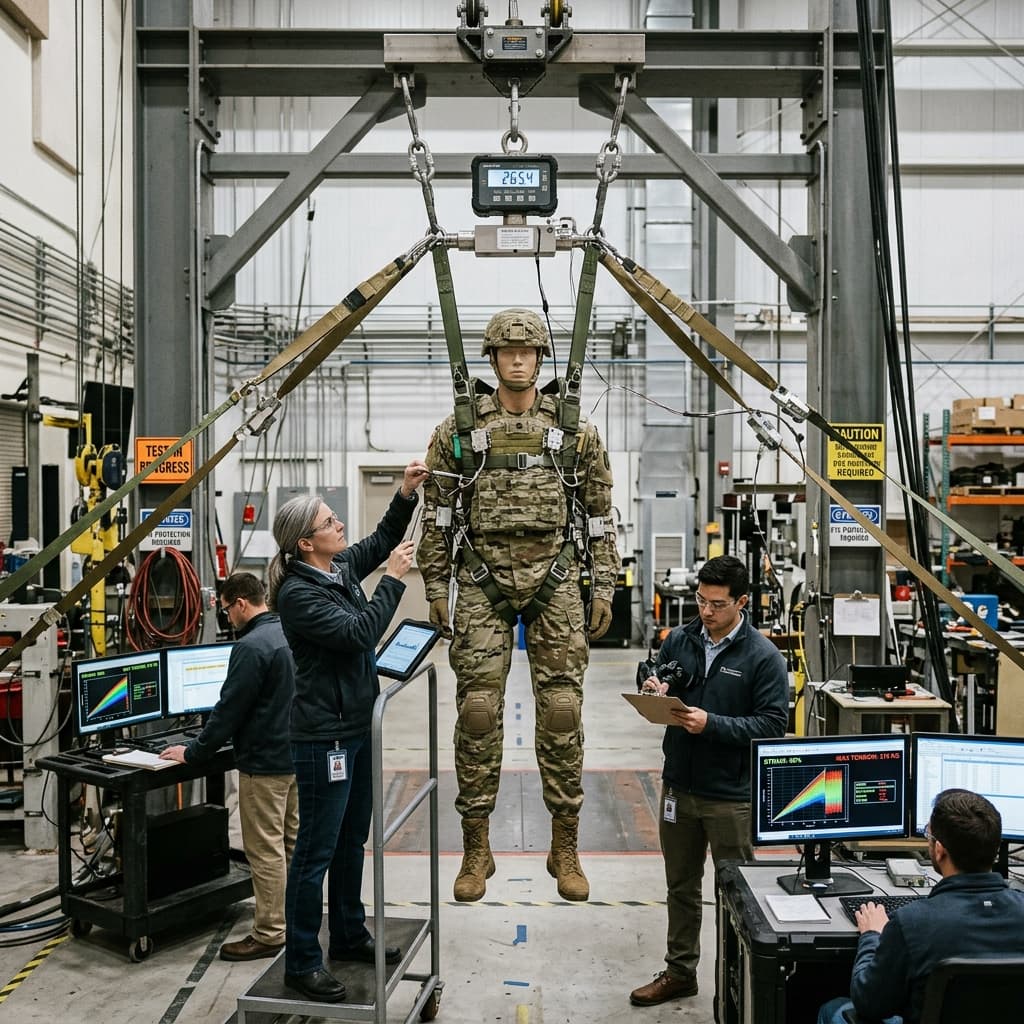
We model dynamic rapid donning sequences and extreme emergency extraction procedures alongside static ultimate load paths. This multifaceted analysis ensures customized bodily adjustments remain within safely qualified operational envelopes during active field deployments.
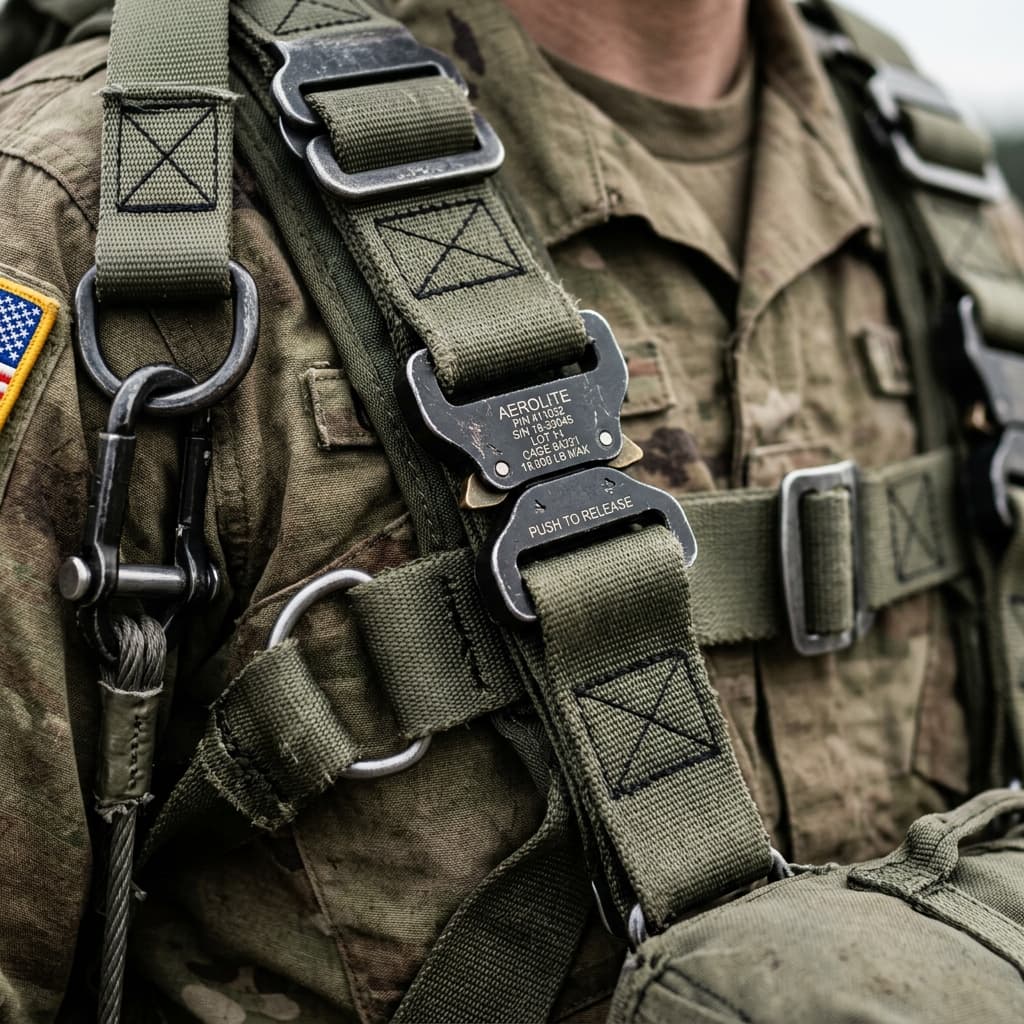
Vital rapid quick release mechanical mechanisms demand crisp internal machining tolerances and environmental particulate contamination controls. We document critical visual inspection points and structural lifecycle limits to match real world combat maintenance cycles.

Related areas in this practice
Critical physical interfaces operators can fundamentally trust
Dynamic asymmetrical harness behavior is aggressively repeatedly clinically validated utilizing complex extreme physical contexts directly mirroring brutal active field use rather than merely passing simple static straight pulls on a clean factory jig.
- Exhaustive complex webbing routing and interference snag assessments completely accounting for fully equipped tactical mission clothing.
- Crucial emergency release sequencing empirically successfully verified completely under massive simulated asymmetrical opening loads and inverted orientations.
- Broad approved strap adjustment sizing ranges heavily tied explicitly to certified military anthropometric percentiles and rigid training constraints.

Talk with engineers who own the work
Request a technical pass on Harness integration: constraints, risks, and a practical next step with clear assumptions.