

Engineering
CBRN shelters
Securing pure breathable atmosphere inside complex pressurized tent structures isolated from intense hazardous battlefield contamination zones.
How we approach CBRN shelters
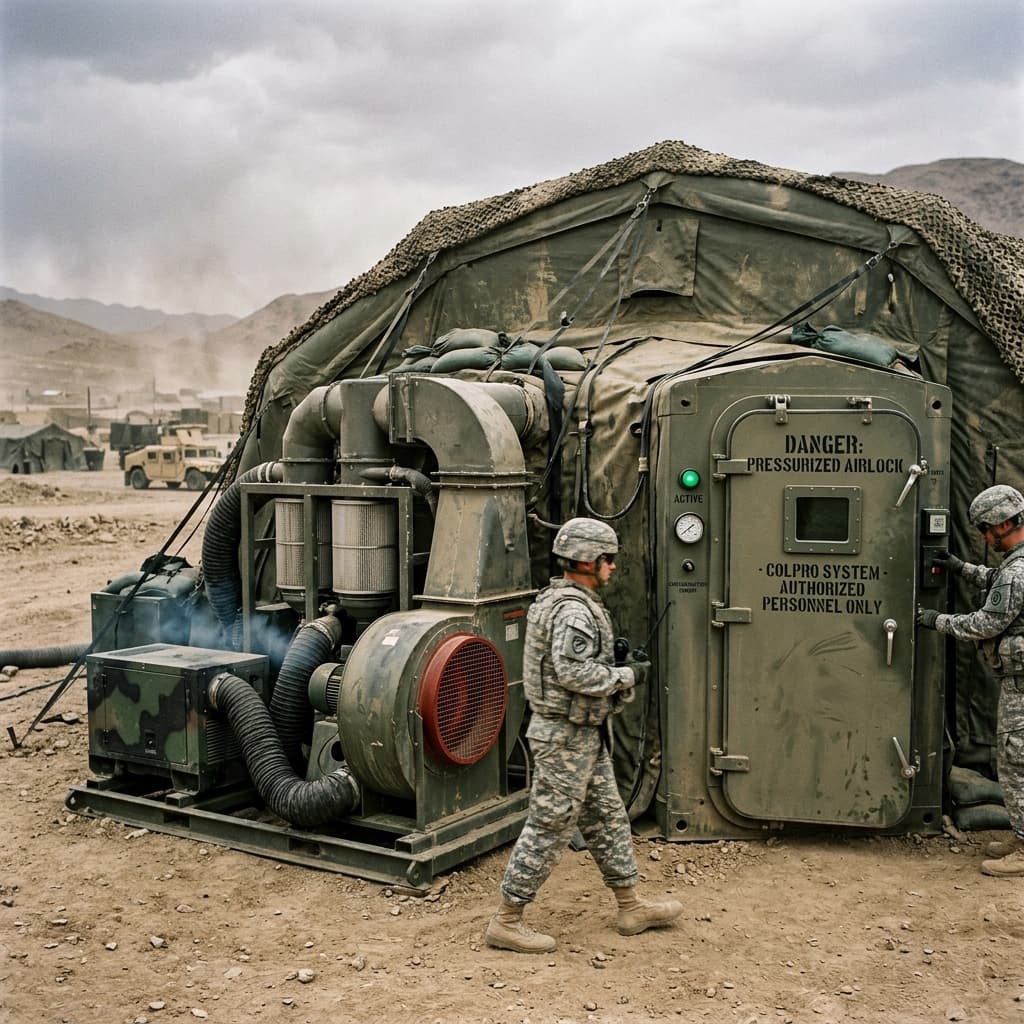
Airborne chemical weapons penetrate standard fabric microscopic pores. A basic canvas command post offers zero protection facing a determined sarin gas localized deployment. We engineer specialized massive impermeable synthetic membranes blocking distinct nerve agents blister compounds and hazardous radioactive aerosolized particulates.
Positive internal atmospheric pressure forms the ultimate invisible shield. Massive specialized collective protection filtration units pump sheer volume of purified air into the shelter architecture. This intense volumetric pressure ensures any microscopic physical structural leaks force clean air out preventing toxic environmental ingress.
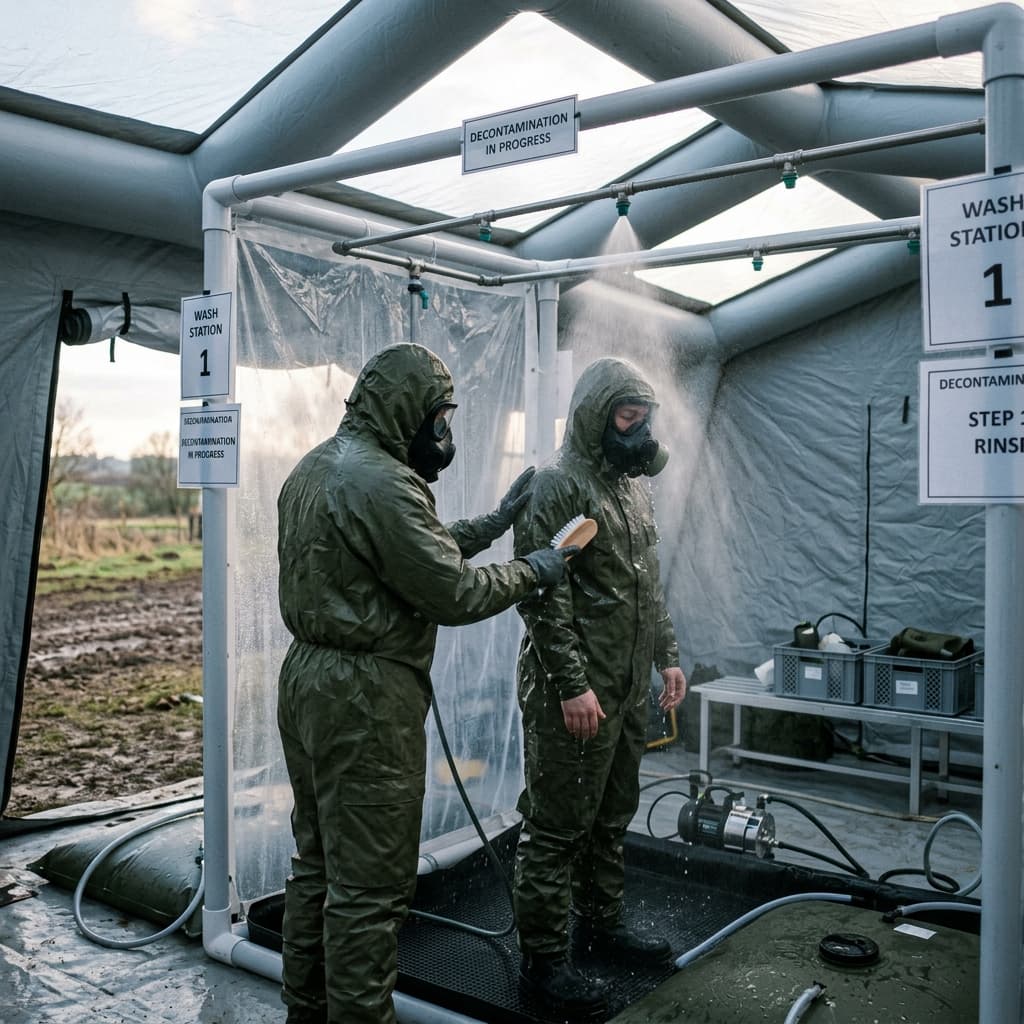
Airlock transitions dictate operational survival. Contaminated soldiers entering a pure zone require massive staged decontamination corridors. Our connected modular vestibules provide sequential isolated cleansing stations managing distinct hazard removal without compromising the central pure primary command environment.
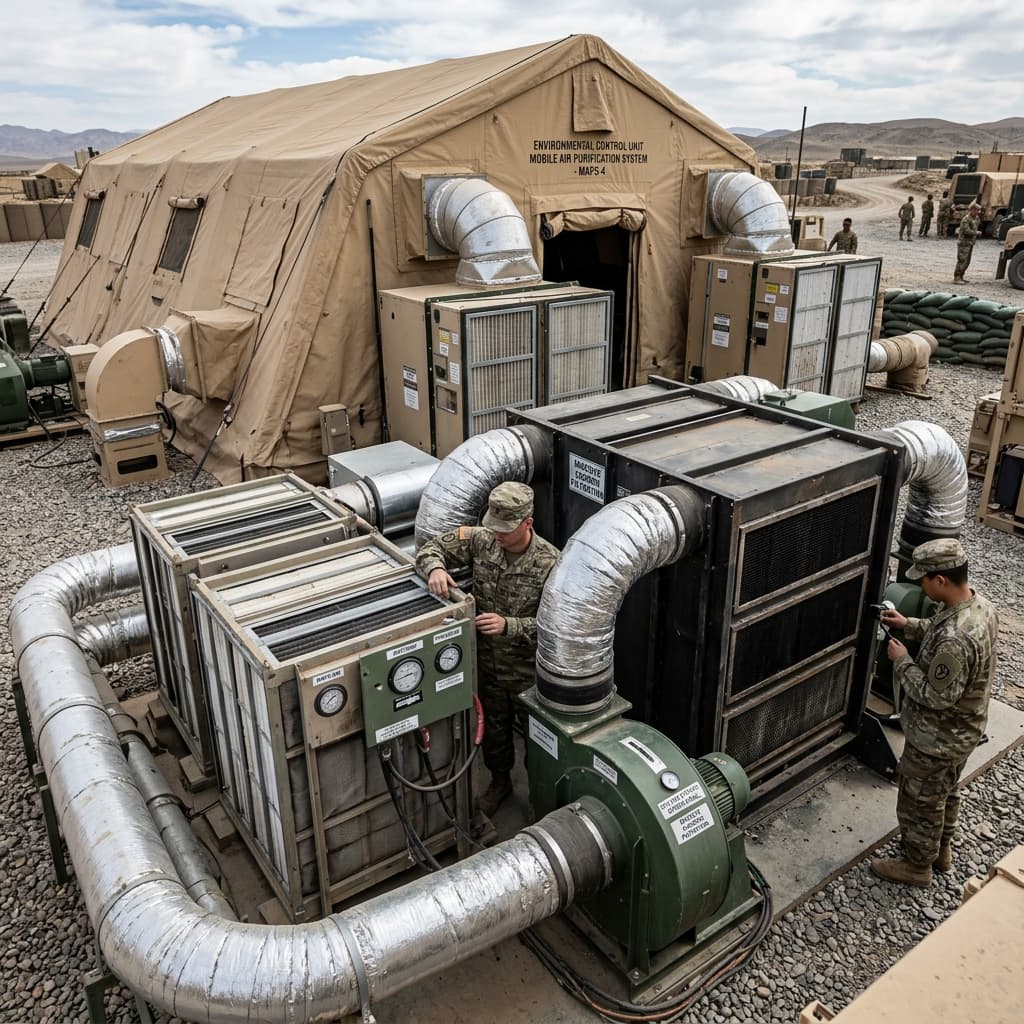
Contamination control extends into comprehensive massive [vehicle maintenance](/engineering/tents/vehicle-maintenance) integration. Returning armor requires immense specialized washdown enclosures capturing dangerous toxic runoff. We design sprawling architectural tent configurations isolating wet dangerous cleaning zones from sensitive technical electronics.
Prolonged toxic combat requires pure robust self sustaining atmospheric systems. Massive carbon filter arrays demand specific predictable scheduled cycling. We build automated massive environmental sensing logic warning occupants before specific localized filter saturation reaches catastrophic breakthrough thresholds.

Related areas in this practice
Defending pure atmosphere
Eliminating invisible toxic threats demands absolute structural isolation integrated with intense continuous high volume atmospheric processing.
- Rigorous specific seam sealing preventing microscopic aerosolized particulate from penetrating the unified synthetic envelope.
- Deploying massive dedicated overpressure air handlers ensuring sheer outgoing airflow repels external atmospheric hazards.
- Executing dynamic massive staged airlock geometries establishing pure distinct transition decontamination zones.

Talk with engineers who own the work
Request a technical pass on CBRN shelters: constraints, risks, and a practical next step with clear assumptions.