

Engineering
Materials & rigging
Strictly connect base material physical properties, destructive UV degradation, and complex splice integrity directly to the extreme loads your tactical program must conclusively prove.

How we approach Materials & rigging
Materials science and specialized rigging intercept where overarching parachute systems meet localized chemistry and cyclical mechanical fatigue. Progressive webbing creep, uneven suspension line shrinkage, chemical coating degradation, and metallic hardware galling can shift system performance without triggering visual warning cues.
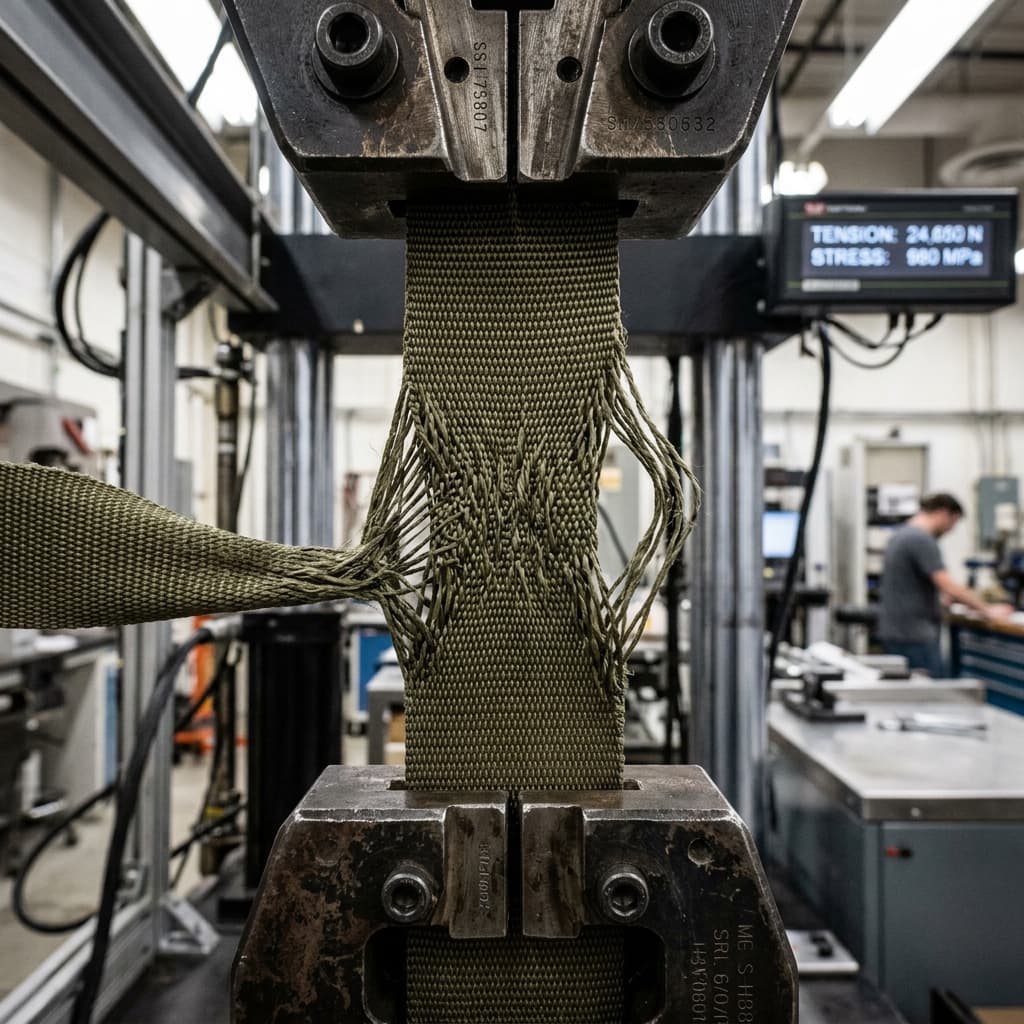
We structure rigid materials specifications so external suppliers know which destructive tests gate every individual factory production lot. This rigorous framework standardizes how manufacturing deviations are dispositioned and protects the integrity of the supply chain.
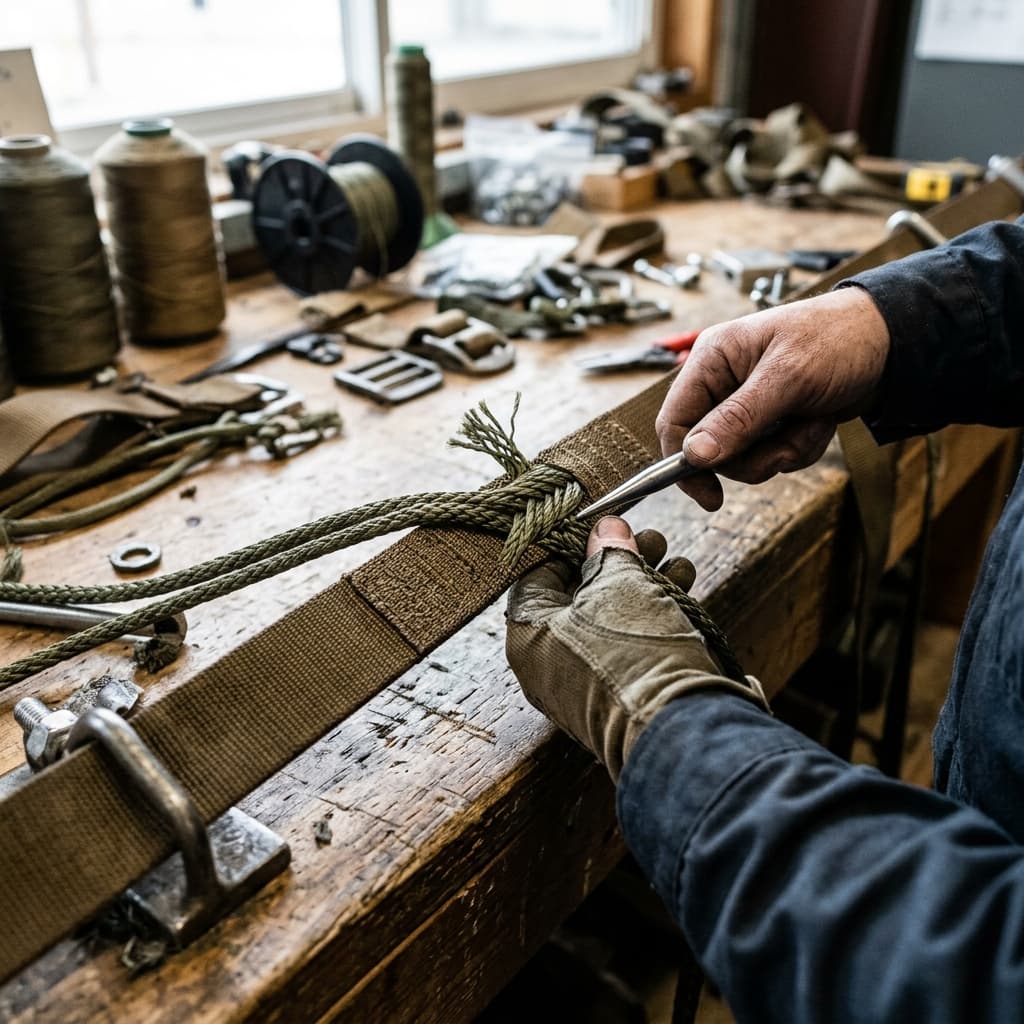
Physical rigging methods covering complex knots, spliced junctions, and structural sewing patterns are treated as formal configuration controlled part numbers. When synthetic material substitutions arise, we help engineering teams baseline localized strength and elongation assumptions before exposing the deployed fleet to operational risk.

Related areas in this practice
Unquestionable traceable strength from fiber to deployed fleet
Rigid lot configuration control and incredibly disciplined factory rigging inherently prevent completely silent performance drift explicitly separating what was originally qualified versus what physically ships.
- Complex destructive material qualification testing matrices strictly perfectly aligned to specific extreme environmental exposure envelopes.
- Highly explicit specialized sewing and braided splice factory qualifications directly utilizing intensive destructive statistical sampling rationale.
- Specific verifiable hardware torque ranges, precise connector pinning diagrams, and functional visual inspection criteria that deployed operators can flawlessly repeatedly execute.

Talk with engineers who own the work
Request a technical pass on Materials & rigging: constraints, risks, and a practical next step with clear assumptions.