

Engineering
VTOL
De-risk transition flight with phased testing, mode logic, and energy budgets that match your sites.

How we approach VTOL
VTOL programs must manage transition phases where control authority, energy demand, and structural loading peak simultaneously. We help define mode logic, envelope protection, and test progression from tethered hover to full transition. A meticulous, phased approach is the only way to mitigate the inherent aerodynamic risks of combining rotary and fixed-wing flight modes.
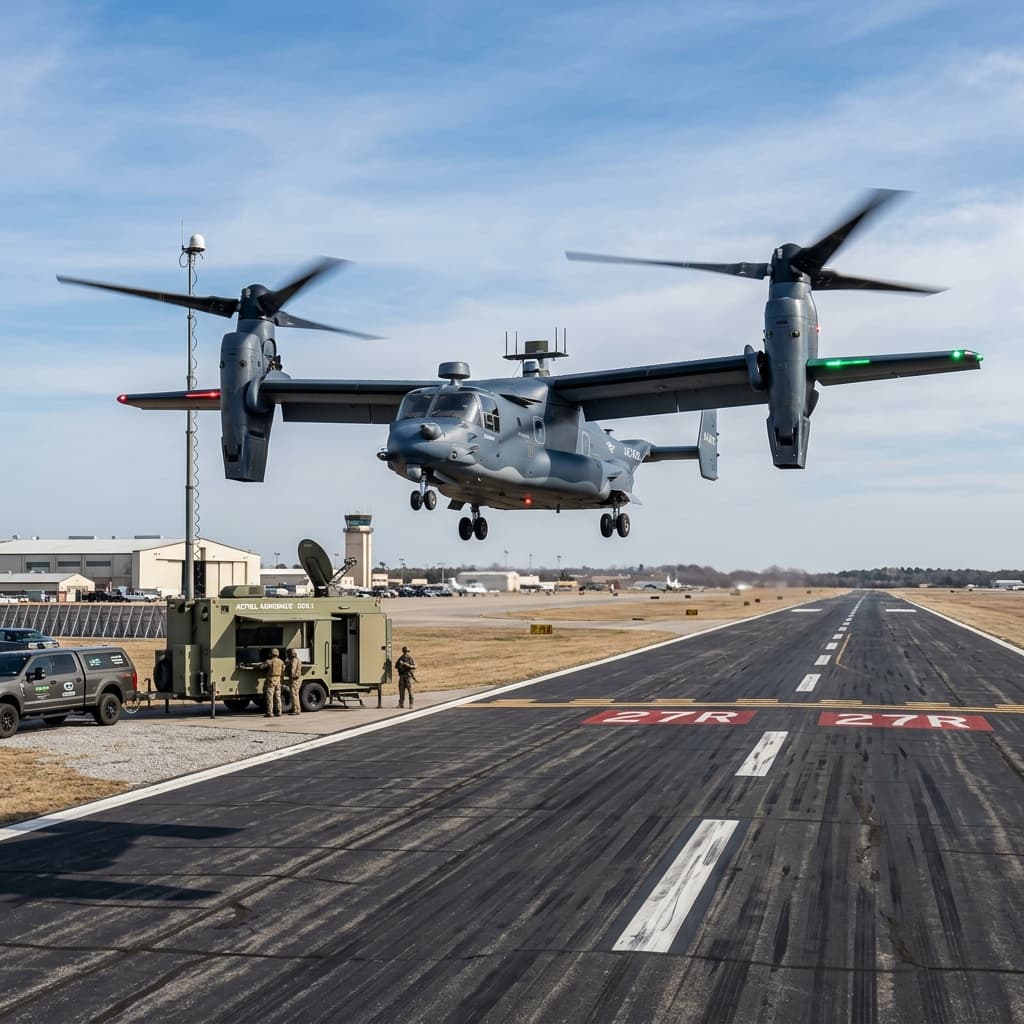
The control blending strategy - shifting from multirotor pitch and roll surfaces to traditional aerodynamic control surfaces - must be perfectly seamless. We focus on tuning PID gains and feedforward control laws within the autopilot to maintain altitude and heading stability during this critical flight phase, preventing dangerous pitch excursions.
Propulsion redundancy and asymmetric failure cases need explicit crew or autonomy responses, especially where ground risk is non trivial. We build deterministic flowcharts for flight controllers to execute safe aborts. By injecting faults into hardware-in-the-loop simulators, we guarantee that the autonomy engine gracefully reverts to a safe state, such as an immediate controlled hover or a glide to a planned ditching zone.
Power management during the transition is also a significant hurdle. High-current demand from hover motors must smoothly ramp down as forward propulsion takes over, without causing harmful sag on the avionic power rails. We design dedicated power logic that constantly monitors voltage health and immediately flags any anomalies to the ground control station.
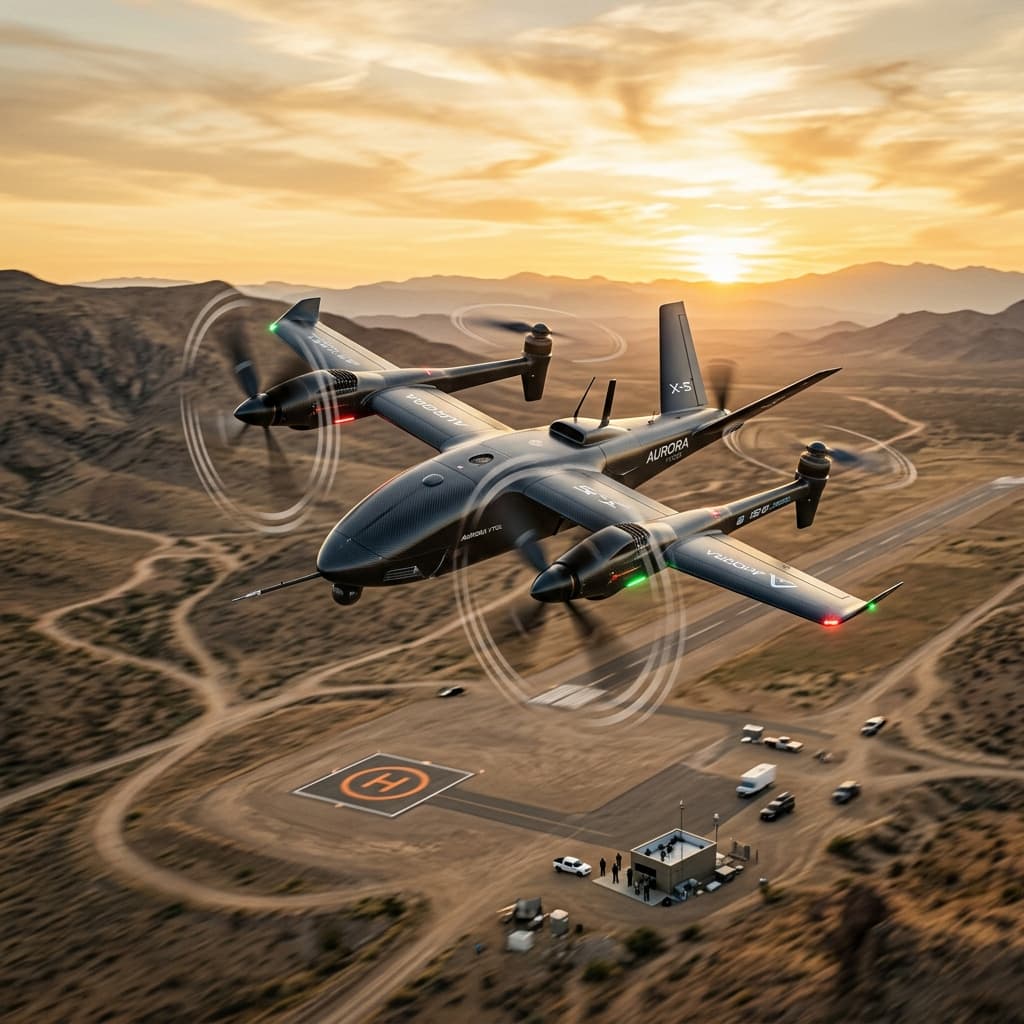
Wind and turbulence sensitivity during hover and slow flight are rigorously baked into training and standard operational limits. Gust loading affects a VTOL's massive wing area much differently while hovering than it does in cruise, dictating strict environmental thresholds for safe takeoff.
Ultimately, we deliver complete operational guides accompanied by empirical test data that validates the VTOL concept of operations. Whether dealing with pure tilt-rotors, quadplanes, or pure tail-sitters, our engineering artifacts provide undeniable proof of airworthiness and mission reliability to end-users and regulatory bodies alike.

Related areas in this practice
Safe and repeatable flight transitions
We emphasize heavily phased testing and clear mode boundaries so teams never compress catastrophic risk into a single flight test campaign.
- Control blending strategies utilizing explicit hardware fallback paths.
- Clear energy and thermal headroom established for intensive hover heavy segments.
- Instrumentation test plans that capture and prove transition stability margins.
Redundancy without weight penalty
Carrying multiple dead weight motors during cruise drastically limits VTOL efficiency. We analyze novel pusher and tilt rotor configurations to maximize aerodynamic utility across both flight phases.
Using precision instrumentation, we isolate transient torques during transition to ensure the airframe handles the shift without dangerous twisting or flutter.
Phased VTOL Validation
Hover Characterization
Analyzing thrust margins, vibration propagation, and thermal equilibrium.
Transition Sweeps
Defining maximum crosswind limits, attitude envelopes, and abort logic triggers.
Operational Limits
Publishing detailed V-n diagrams and establishing clear crew and autonomy authority rules.
Failure Induction
Safely inducing asymmetric thrust loss to validate automated recovery software.

Talk with engineers who own the work
Request a technical pass on VTOL: constraints, risks, and a practical next step with clear assumptions.