

Engineering
Human-machine interfaces
Amplify overall mission capability merging profound robotic strength with nuanced biological decision making models.

How we approach Human-machine interfaces
Total machine autonomy remains elusive during unprecedented environmental anomalies. True operational brilliance occurs when human cognitive plasticity merges with relentless robotic endurance. We construct advanced control architectures bridging these disparate paradigms creating a unified symbiotic entity capable of conquering impossible objective geometries.
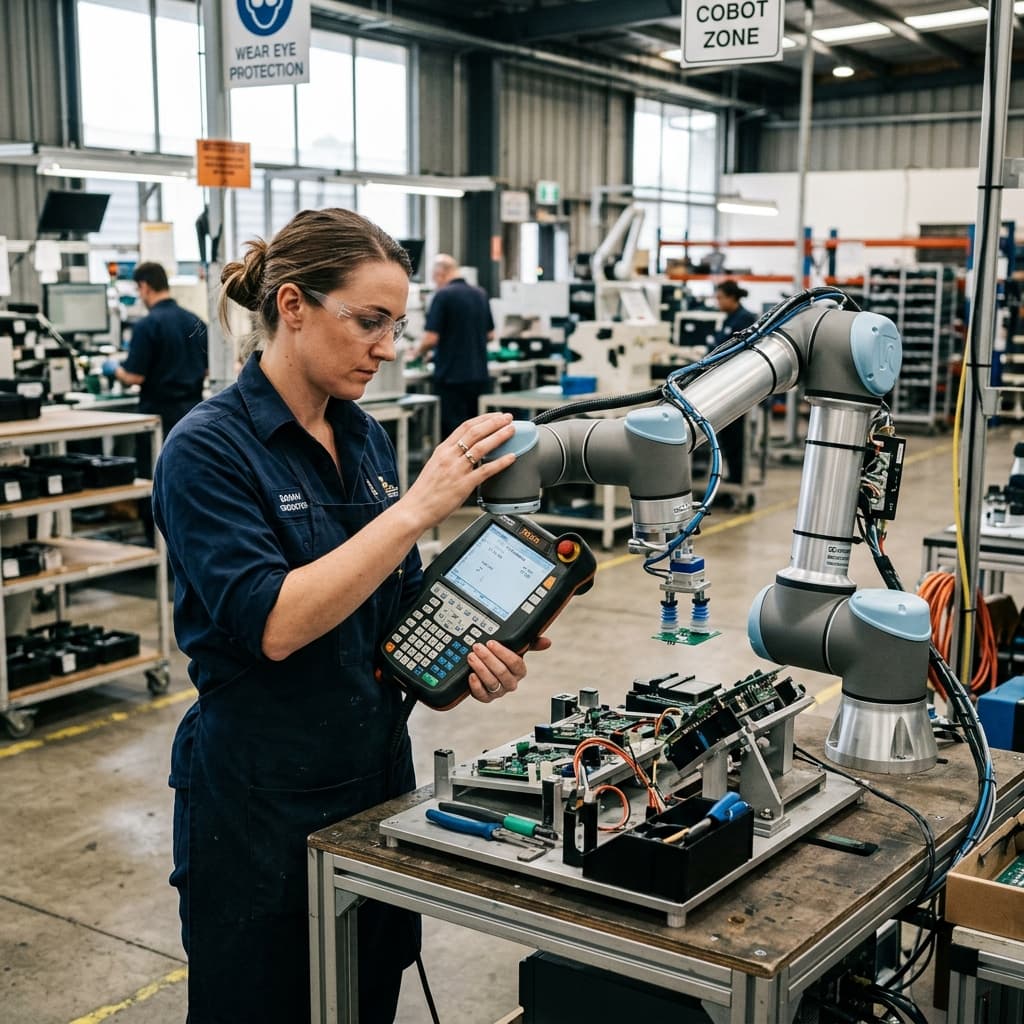
Physical proximity breeds inherent injury risk alongside massive industrial manipulators. We mitigate this through dense collaborative sensor ecosystems enveloping the entire robotic exterior. Capacitive skins detect human presence within millimeters halting massive kinetic swings before dangerous physical contact initiates preserving absolute operator safety.
Translation interfaces dictate overall teleoperation efficiency. We abandon complex keyboard matrices favoring immersive haptic exosuit rigs. These wearable controller garments translate subtle biological wrist adjustments into massive hydraulic actuation feeding resistive force data back into the operator simulating true physical object weight.
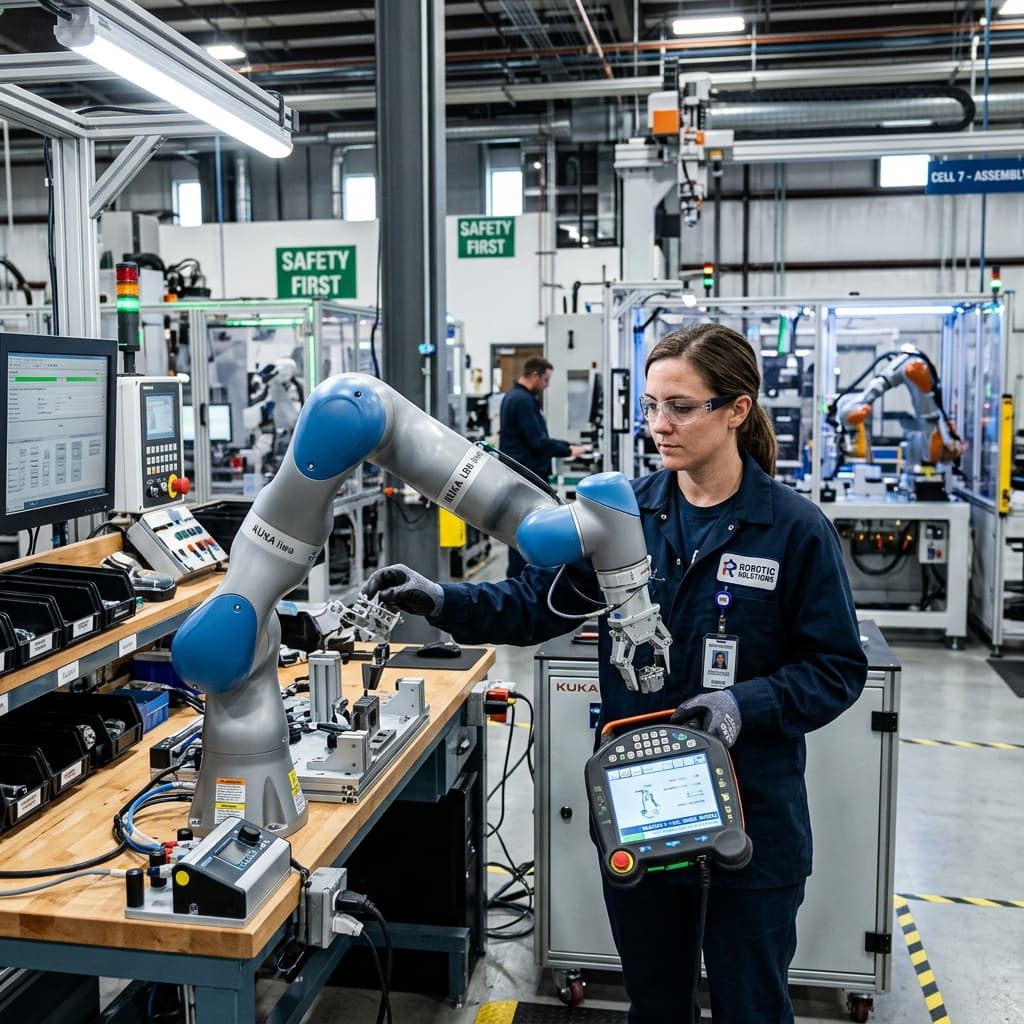
Cognitive overload destroys remote operator effectiveness. Our software integrates predictive intention logic monitoring subtle joystick inputs projecting projected trajectory arcs across the primary display interface. This predictive overlay allows the human controller to confirm complex movement patterns prior to authorizing catastrophic physical execution.
Shared control methodologies distribute overall mission responsibility organically. During routine transit the platform executes pure autonomous logic while the human operator monitors multiple feeds. Upon encountering unprecedented barriers the system pauses transferring direct manual override jurisdiction back to the biological controller navigating complex novel puzzles.

Related areas in this practice
Symbiotic command structures
Eliminating the friction between biological intent and mechanical execution demands unprecedented interface design bridging complex data streams.
- Augmented reality visors superimposing thermal and structural diagnostic data across the physical robotic chassis.
- Vocal command interpreters specialized for identifying distinct human commands amidst deafening localized industrial noise.
- Biometric feedback loops monitoring operator heart rate and pupil dilation triggering automated safety halts during extreme fatigue.

Talk with engineers who own the work
Request a technical pass on Human-machine interfaces: constraints, risks, and a practical next step with clear assumptions.