

Engineering
Manned systems
Integrate specialized dynamic structural harnesses with superior deceleration canopies to safeguard military personnel during complex airborne insertion operations.

How we approach Manned systems
Supporting human operators demands the highest echelon of aerospace engineering rigor. Manned parachute architectures must perfectly balance severe kinetic shock deceleration with life preserving physiological tolerances.
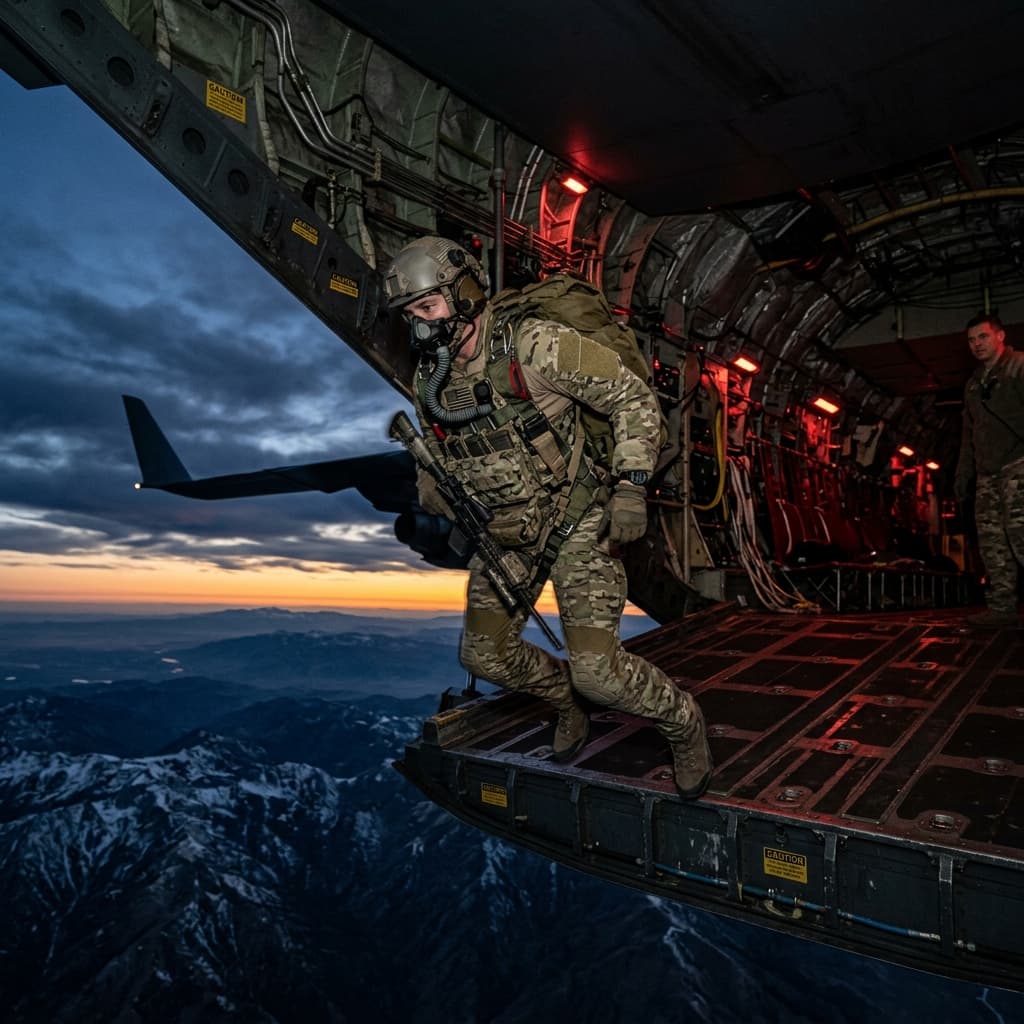
We utilize advanced multidirectional load distributed webbing to construct the primary physical harness interfaces. These structural foundations transition violent kinetic opening forces into manageable localized pressure vectors across the operator torso.
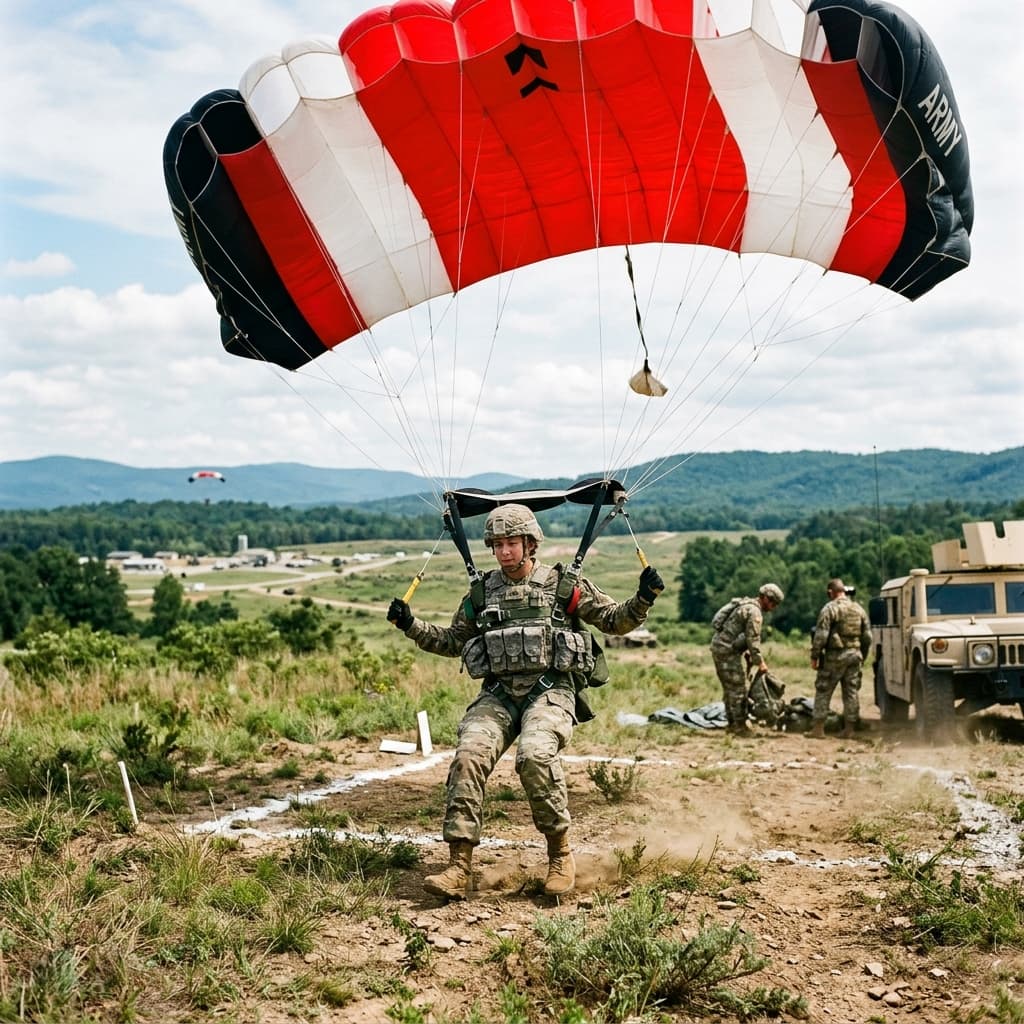
Rigid aerodynamic modeling dictates exact suspension line geometry preventing dangerous unstable oscillations. Steady predictable flight characteristics eliminate dangerous mid air canopy collapsing guaranteeing operators reach the terrestrial drop zone safely.

Related areas in this practice
Absolute structural physiological integration
Translating extreme deceleration mechanics into survivable outcomes requires faultless textile engineering and precise biological integration matrices.
- Ergonomic load bearing structural harnesses reducing operator fatigue during prolonged transport aircraft loitering phases.
- Redundant main and reserve deployment mechanisms offering layered mechanical security architectures.
- Smooth sequential geometric deployment sequencing minimizing abrupt physiological acceleration spikes.

Talk with engineers who own the work
Request a technical pass on Manned systems: constraints, risks, and a practical next step with clear assumptions.