Insights · Article · Shelter Systems · Apr 2026
A technical review of seam sealing approaches for expedition tents and military shelters: seam tape adhesion principles, hot-air welding process controls, field repair techniques, and the inspection methods that verify seam integrity under operational conditions.
Seam sealing is the last line of defense between an expedition shelter's fabric construction and the water that relentless precipitation and wind-driven rain will force against every potential entry point. Even a tent constructed from the highest-quality waterproof fabric will leak at its seams if those seams are not sealed correctly, because traditional sewn seams create thousands of needle penetrations in the waterproof membrane with every meter of stitching. Each needle hole is a potential water path that bypasses the fabric's waterproofing entirely. Seam sealing eliminates these paths through either tape adhesion or welding, each of which has specific process requirements and performance characteristics.
Seam tape adhesion relies on a thermoplastic film that is bonded to the interior surface of the seam using heat and pressure. The tape material must be compatible with the base fabric, which typically means matching the polymer family: polyurethane tape on polyurethane-coated fabrics, and polytetrafluoroethylene-based tapes on laminated membrane fabrics. Using an incompatible tape material produces apparent adhesion that fails within the first season of use as the polymer interface degrades under thermal cycling and UV exposure. The tape selection should be validated against the specific fabric being used, not against a generic specification for the tape category.
Hot-air welding for seam sealing applies a jet of heated air at a precisely controlled temperature to melt the seam tape and the base fabric surface simultaneously, followed by a pressure roller that bonds them together as they cool. The process parameters, including air temperature, air velocity, and roller pressure, must be calibrated to the specific combination of tape and fabric. Under-temperature welding produces a bond that appears intact but has insufficient penetration depth and will peel under hydrostatic pressure. Over-temperature welding can char or melt the fabric, creating structural damage and discoloration that reduces the fabric's properties.
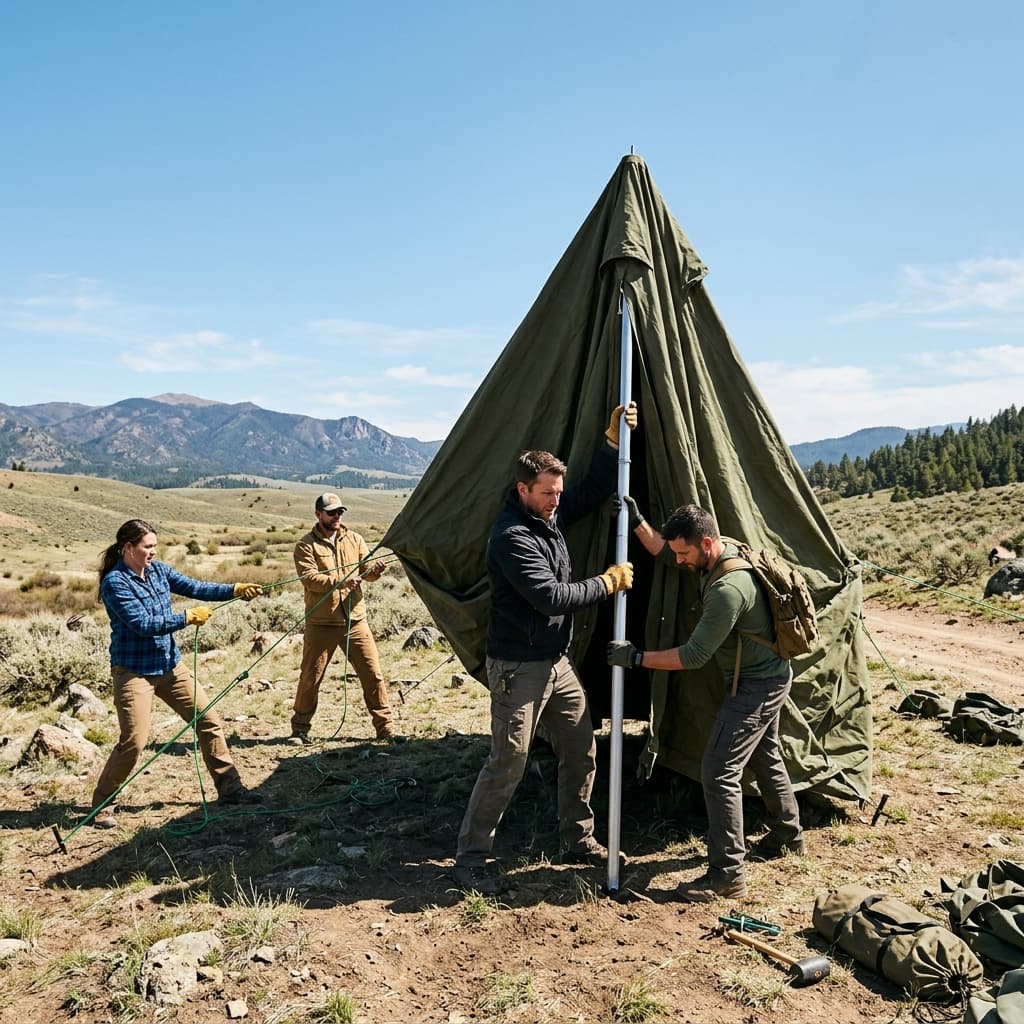
Quality verification of factory seam sealing should be part of the receiving inspection protocol for expedition shelters. The inspection should include a visual check for tape adhesion edge lift, which is visible as a slight curl or gap at the tape edge, a probe assessment using a blunt instrument to test adhesion resistance at the tape edge, and a hydrostatic pressure test on a representative seam sample or on the full tent using an inflatable test fixture. Hydrostatic head rating for the sealed seam should meet or exceed the rating of the adjacent fabric, since a seam that is the weakest point in the waterproofing system defeats the purpose of using high-performance fabric.
Silicone sealing is used as an alternative to tape for some specialized applications, particularly where flexibility at low temperatures is required. Silicone sealant maintains its elasticity at temperatures below which thermoplastic tapes become brittle and may crack during flexing. However, silicone sealant bonds are more susceptible to mechanical abrasion than tape-sealed seams, and a shelter that is repeatedly folded and packed will experience accelerated sealant wear at the seam-fold intersections. Programs deploying to Arctic conditions should verify that their selected sealing method is rated for the minimum expected storage and deployment temperature.
Factory seam tape failures and field seam failures have different characteristic patterns that help identify the root cause. Factory failures typically show as uniform tape delamination along the seam, often tracing back to a process parameter error during manufacturing. Field failures often show as point failures at stress concentrations: the intersection of two seams, the connection of guy line attachments to the fabric, and the area around zipper ends where the fabric changes direction abruptly. Understanding the failure pattern distinguishes a manufacturing quality issue from a design issue or a field damage event.
Field seam repair must be achievable in conditions far removed from the manufacturing environment. Field repair kits for expedition shelters should include a compatible tape material, a heat source that can develop the correct application temperature without mains power, surface preparation materials for cleaning the repair area, and a simple repair procedure that does not require specialized tools. Iron-on or self-adhesive repair patches can provide temporary waterproofing in emergency conditions but should not be relied upon as permanent repairs for shelters that will be deployed repeatedly. The repair procedure should clearly distinguish between temporary field repairs and repairs requiring professional application before return to full service.
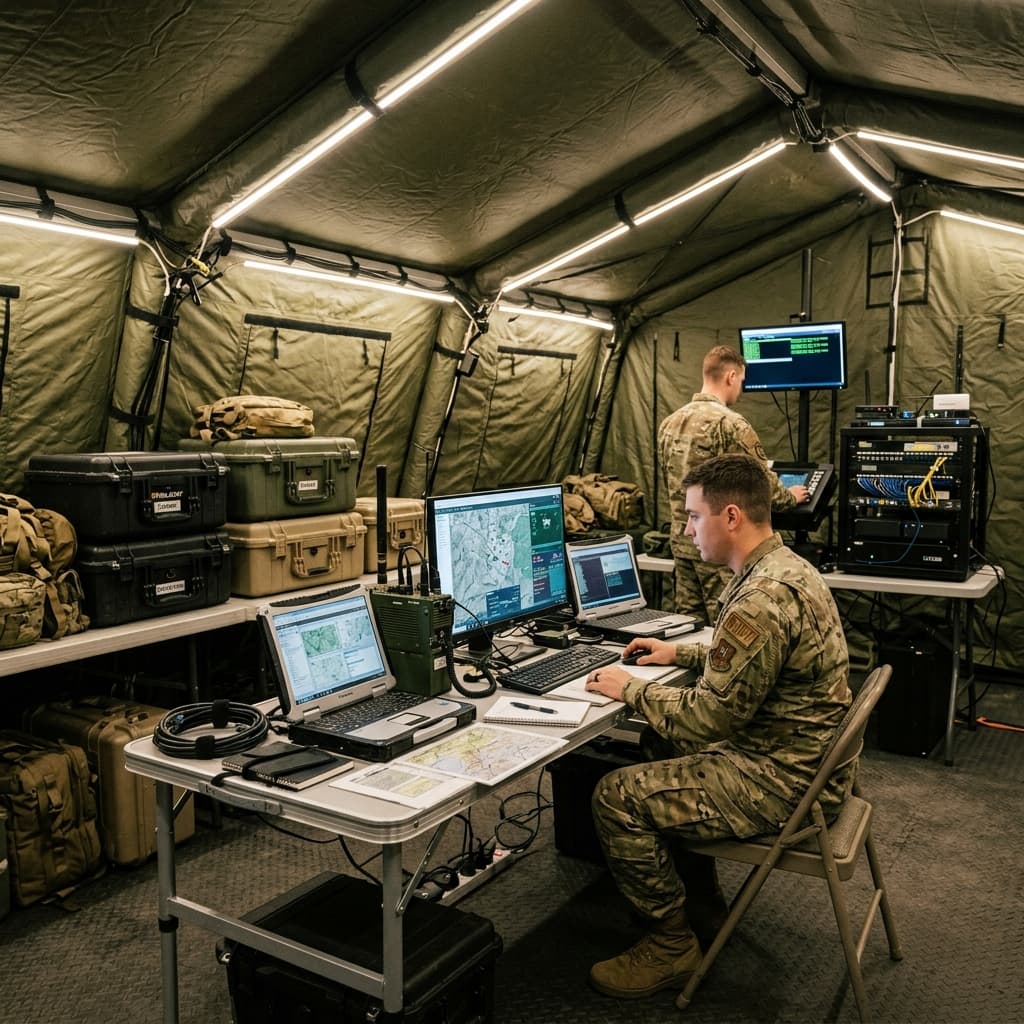
Zipper sealing deserves specific attention because zippers are both a structural weakness in the seam waterproofing and a high-frequency use feature that generates wear on the sealing system. Most high-performance expedition shelters use either storm flaps over the zipper exterior or waterproof zipper constructions that seal the zipper tape itself. Both approaches require periodic inspection for wear, with storm flap attachment integrity checked at every setup and waterproof zipper tape inspected for sealant layer cracking or delamination at scheduled service intervals. A zipper that has failed its waterproofing function while remaining mechanically functional is a common source of shelter water ingress that is misdiagnosed as general seam degradation.
Inspection protocol for seam condition after each deployment should be incorporated into the shelter pack-down procedure. Inspecting the seams while the shelter is still erected is more effective than inspecting them after it has been folded, because the seams are accessible and under the tension that mimics their deployed state. The inspection should note any tape lifting, discoloration from water ingress, mechanical damage from guy line contact points, and any signs of biological growth. Findings should be recorded in the shelter's maintenance log and evaluated against the repair threshold before the next deployment.
Life cycle management for shelter seam sealing should anticipate the need for professional re-sealing after a defined number of deployments or years in service. Even correctly manufactured and carefully maintained seam tape degrades over time through UV exposure, thermal cycling, and repeated flexing. Programs that plan for a defined re-sealing service event as part of the shelter life cycle avoid the situation where seam failure occurs on an operationally critical deployment because the sealing system had aged past its effective service life without periodic professional maintenance.
We facilitate small-group sessions for customers and prospects without requiring a slide deck, focused on your stack, constraints, and the decisions you need to make next.