



Current iterations are optimized for punctures and small lacerations up to 5mm. Larger tears still require manual patching.
Engineering
Self-Healing Fabrics
Maintain environmental integrity in combat zones with tactical shelters that repair their own structural breaches.
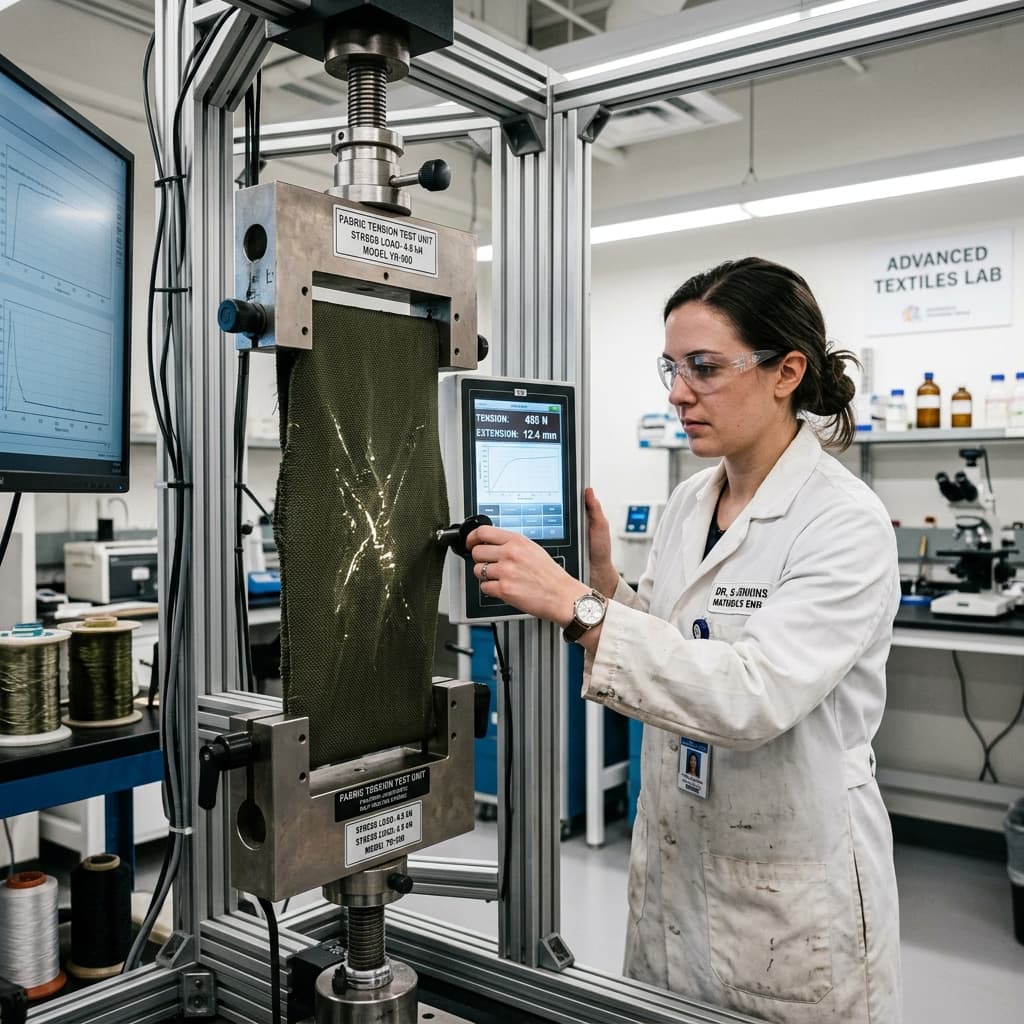
How we approach Self-Healing Fabrics
In expeditionary deployments, a punctured shelter means compromised climate control and potential CBRN exposure. We integrate self-healing elastomers into the base fabric of our tactical shelters, allowing them to automatically seal small punctures from shrapnel or debris without human intervention.
These smart materials utilize micro-encapsulated healing agents embedded within the polymer matrix. Upon rupture, these capsules break, releasing an adhesive that polymerizes upon contact with the atmosphere, aggressively sealing the wound within minutes.
The engineering challenge is maintaining the cold-weather flexibility and UV resistance of the primary fabric while incorporating the healing agents. We thoroughly test these composites in environmental chambers, proving their efficacy at -40°C and under intense solar loads.
This technology drastically reduces the field maintenance burden on operators, ensuring that a stray branch or minor ballistic fragment does not ruin a critical command post.
Autonomous Repair
Shelters must be as resilient as the personnel operating inside them. Self-healing provides passive security.
- Micro-encapsulated adhesives.
- Rapid polymerization upon rupture.
- UV and extreme-cold durability.
- Maintains CBRN integrity.
The Chemistry of Resilience
We balance the viscosity of the healing agent so it can flow freely into a tear at sub-zero temperatures without prematurely curing inside the microscopic capsules.
Self-Healing Fabric FAQ
Questions on smart materials.
Material Integration
Formulation
Develop temperature-stable healing agents.
Coating
Embed capsules during the fabric calendering process.
Puncture Testing
Validate sealing times in environmental chambers.

Talk with engineers who own the work
Request a technical pass on Self-Healing Fabrics: constraints, risks, and a practical next step with clear assumptions.