Insights · Report · Drones · Apr 2026
Securing drone manufacturing pipelines: identifying single source vulnerabilities, mitigating the threat of counterfeit microelectronics, and engineering around component obsolescence in rapid iteration hardware.
Building a complex tactical uncrewed aerial vehicle relies on a sprawling, highly fragile global supply chain. A single high performance drone contains thousands of distinct components—from high torque brushless motors and specialized carbon fiber weaves to cryptographic microcontrollers and microscopic ceramic capacitors. If the supply line for a fifty cent voltage regulator is severed by a geopolitical trade restriction or a factory fire, the production line for a hundred thousand dollar drone completely stalls. Managing supply chain risk in 2026 is a fundamental engineering discipline, equal in importance to aerodynamic design.
Single source vulnerability is the most prominent threat to sustained manufacturing. When a bespoke flight controller PCB is engineered around a highly specialized, proprietary sensor chip available from only one offshore foundry, the entire production run is hostage to that single point of failure. Robust hardware engineering requires designing with multi sourcing mandates. If an exact pin compatible replacement does not exist, the architecture must clearly identify secondary substitute components and pre write the requisite firmware abstraction layers to accommodate different sensor protocols seamlessly.
The proliferation of counterfeit microelectronics introduces catastrophic safety risks. The gray market is flooded with meticulously relabeled microchips. A counterfeit switching regulator may visually pass receiving inspection and function during baseline testing, but fail spectacularly when pushed to high current loads in a hot desert environment, causing the drone to fall from the sky. Mitigating this risk demands aggressive procurement discipline. Manufacturers must establish hermetic walls around their supply chain, utilizing only franchised distributors and requiring full lot traceability certificates directly back to the original silicon manufacturer.
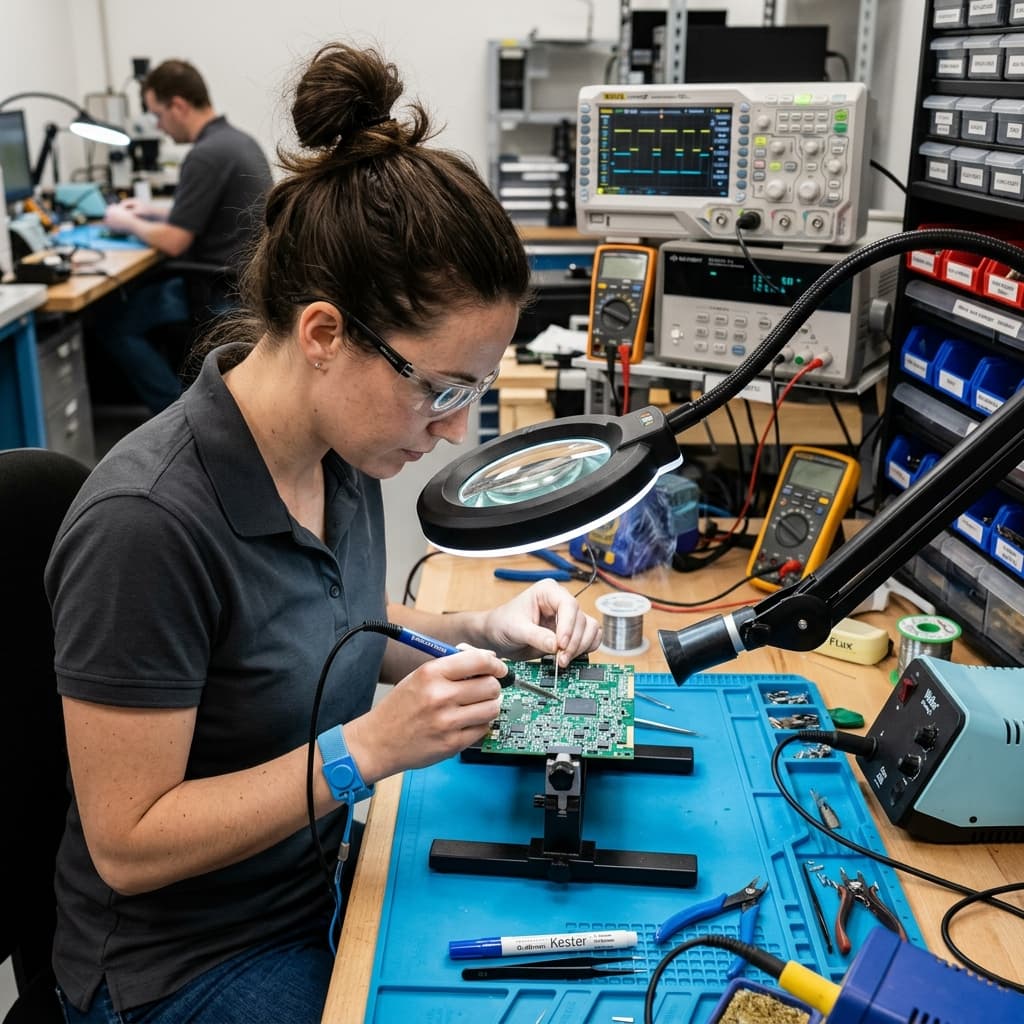
Hardware obsolescence is an accelerating crisis due to the rapid iteration cycles of commercial silicon. A tactical drone program may be designed for a ten year operational lifespan, but the commercial Wi Fi chipset driving its video link might reach its 'End of Life' (EOL) from the chip manufacturer within eighteen months. Engineering for obsolescence requires stockpiling massive reserves of critical chips (last time buys) or modularizing the drone architecture. A modular architecture separates the rapidly evolving communications and processing modules from the long life flight control and power distribution boards, allowing for rolling upgrades without redesigning the entire airframe.
Material provenance constraints are increasingly mandated by defense procurement regulations. Governments proactively restrict the integration of critical minerals, specialized magnets, and specific silicon architectures sourced from geopolitical adversaries. Navigating these constraints requires deep, multi tier visibility into the supply chain. A major motor manufacturer might be a trusted domestic partner, but if the rare earth neodymium magnets inside the motor originate from a restricted nation, the entire drone assembly may be legally barred from a massive defense contract.
The vulnerability of specialized manufacturing tooling is frequently overlooked. If the injection molds for the drone's aerodynamic polycarbonate shell or the bespoke weaving looms producing the lightweight carbon fiber struts are severely damaged, reconstructing those massive, highly precise tools can take months. Supply chain resilience requires identifying these critical bottleneck tools and either maintaining duplicate molds at widely separated geographic facilities or designing components that can be temporarily bridged using rapid additive manufacturing (3D printing) during an emergency.
Software supply chain security (the 'Software Bill of Materials' or SBOM) is equally critical. Integrating a third party closed source computer vision library to recognize targets saves months of coding. However, if that library contains a hidden backdoor vulnerability or relying on compromised open source cryptographic modules, the entire platform is poisoned. Engineering teams must rigorously audit all imported code libraries, isolate them within secure software containers, and actively monitor open source security vulnerability databases for immediate patching.
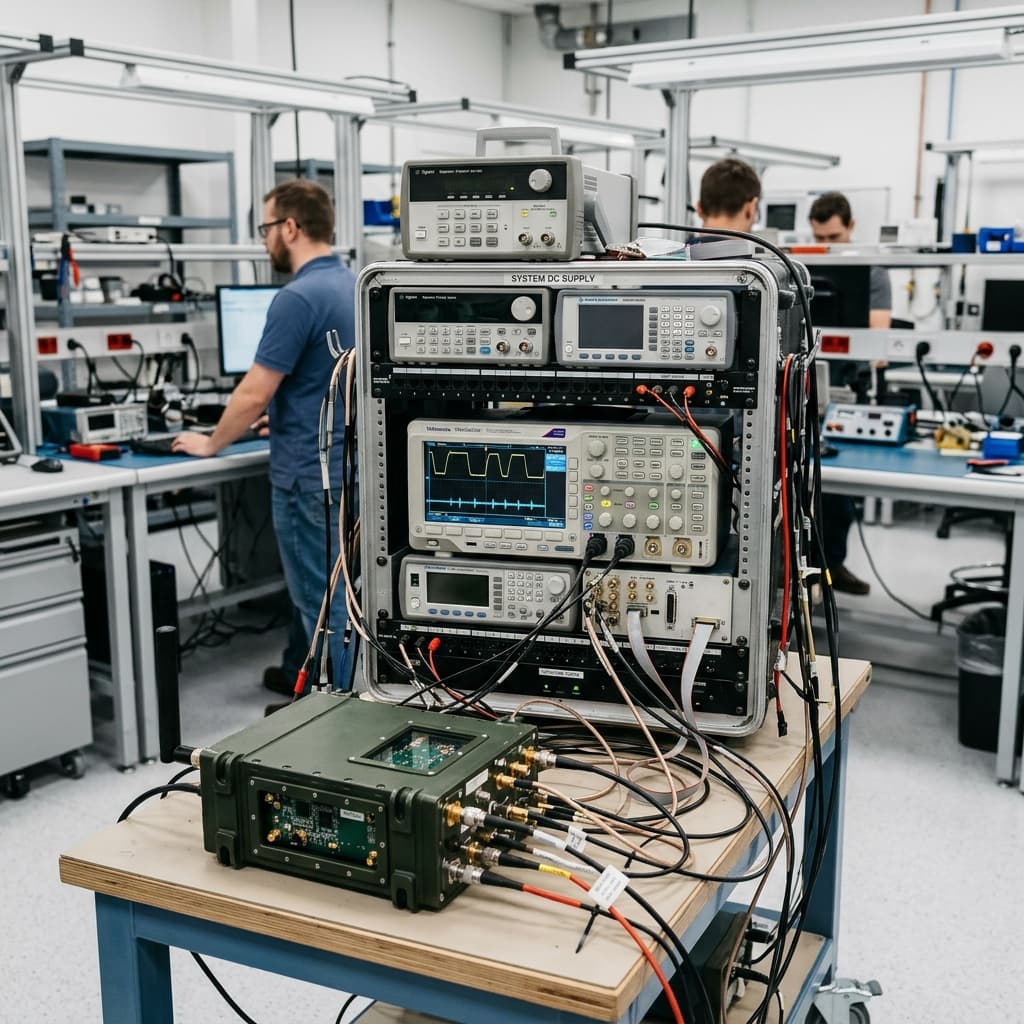
Managing component lead times dictates the rhythm of engineering development. If a highly specialized lightweight military battery chemistry demands a forty week lead time from order to delivery, the engineering team cannot afford to make a critical design change in month ten of a twelve month contract. Supply chain realities must constrain the design exploration phase. The engineering manager must aggressively lock the BOM early and commit massive capital to procure long lead items based purely on high confidence predictive designs.
Ultimately, ignoring component risk transforms engineering brilliance into an unproducible prototype. By deeply embedding supply chain mapping, multi sourcing mandates, and aggressive counterfeit mitigation techniques into the earliest stages of hardware design, organizations guarantee that their advanced UAV platforms can be consistently manufactured and sustained in chaotic global conditions.
We can present findings in a working session, map recommendations to your portfolio and risk register, and help you prioritize next steps with clear owners and timelines.