Insights · Report · Drones · Apr 2026
Deconstructing the hype surrounding drone autonomy: defining the rigid engineering thresholds from basic waypoint navigation to fully unsupervised mission execution and defining the expanding trust boundary.
The term 'autonomous drone' is heavily weaponized by marketing teams, used to describe everything from a toy quadcopter that can hold its altitude to a massive military asset capable of executing complex search and destroy missions without human intervention. This extreme ambiguity is dangerous for program managers tasked with procuring capabilities. Clear communication and rigid safety architectures require a standardized metric for evaluating exactly how much localized intelligence an uncrewed system actually possesses. This brief structures the 2026 UAV Autonomy Maturity Levels, defining the boundaries of human oversight.
Level 0 Autonomy signifies total manual teleoperation. The drone is entirely dumb; it represents nothing more than a flying camera and a collection of spinning motors directly slaved to the operator's joystick inputs. If the operator releases the joystick, the drone will succumb to the wind and crash. If the control link suffers interference and drops for two seconds, the drone immediately plummets. This architecture is tactically fragile and demands 100% continuous cognitive load from the pilot.
Level 1 Autonomy introduces aggressive stability augmentation. The operator is still manually flying the aircraft, but massive low level intelligence runs in the background. The onboard flight controller reads gyroscopes and accelerometers thousands of times a second to keep the drone perfectly level despite chaotic wind gusts. If the operator releases the controls, the drone autonomously slams on the brakes and enters a rigid hover, maintaining its precise GPS coordinates and altitude. The invisible boundary of trust has moved from simple motor output to complex dynamic stabilization.
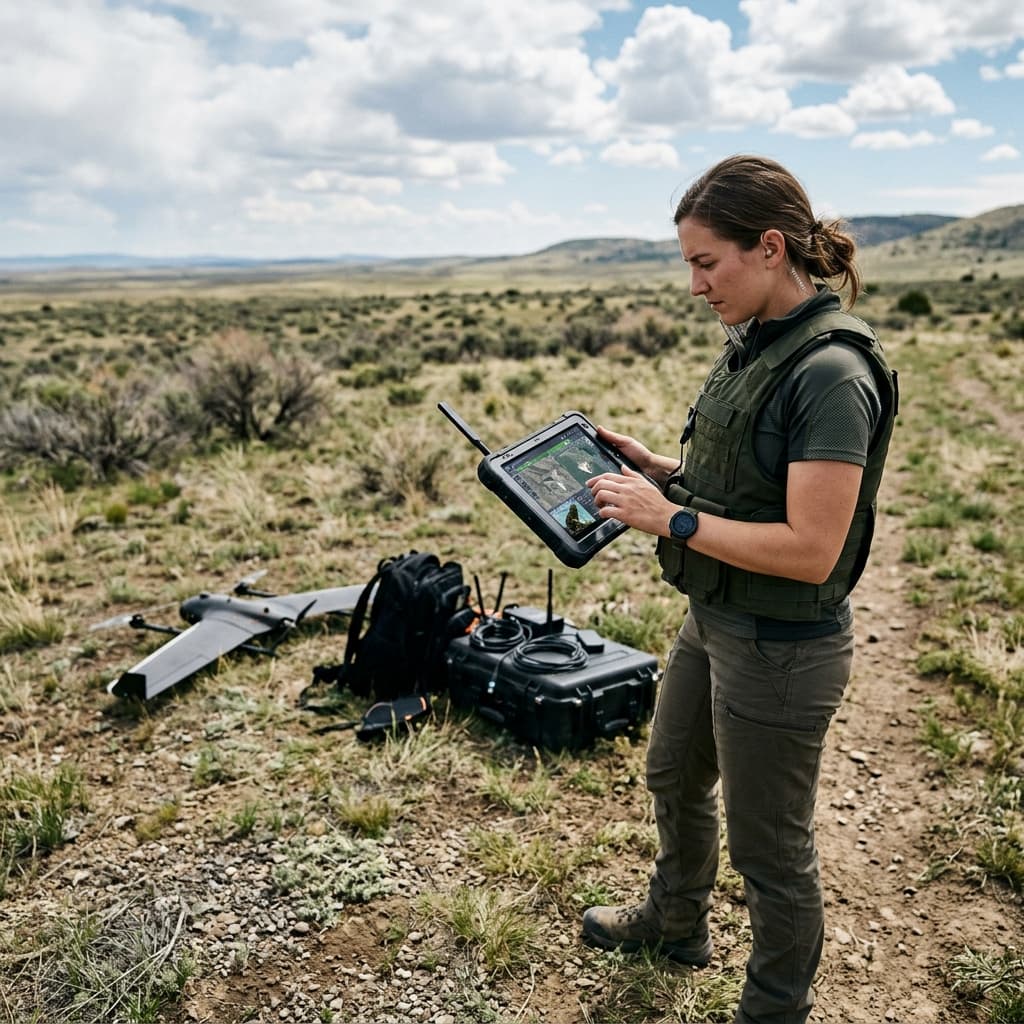
Level 2 Autonomy encompasses automated execution of pre defined missions. The operator utilizes mapping software to draw a complex grid over a survey area, establishing specific GPS waypoints, altitudes, and camera trigger locations. Once the operator presses 'execute', the drone launches itself, flies the precise route autonomously, and lands exactly where it started. Crucially, in Level 2, the drone possesses no situational awareness. It will blindly follow the GPS route directly into the side of a newly constructed crane or an unmapped transmission tower. The human remains solely responsible for ensuring the airspace is entirely clear.
Level 3 Autonomy integrates deterministic obstacle avoidance into the pre defined mission. The drone maintains primary adherence to its GPS waypoint route but utilizes onboard sensors (LiDAR, stereoscopic cameras, or radar) to monitor the local airspace vigorously. If a helicopter or a crane obscures the flight path, the drone autonomously calculates an avoidance vector, deviates from the mission plan to bypass the threat, and then dynamically recalculates the route to return to its objective. The human operator is still actively monitoring the mission, ready to assert a manual override if the sensors fail.
Level 4 Autonomy represents supervised high level goal execution. The operator no longer provides GPS coordinates. The operator issues a semantic command: 'fly up that river system and map all damaged bridge structures.' The drone possesses immense localized processing power. It launches, utilizes computer vision to identify the river, follows its winding path without pre defined waypoints, and actively employs machine learning to recognize bridges, autonomously orbiting to photograph structural anomalies. The operator acts purely as a supervisor, receiving telemetry and intervening only in extreme edge cases.
Level 5 Autonomy is fully unsupervised, self reliant mission execution. The drone launches, navigates chaotic environments, identifies targets, prosecutes actions, and manages its own battery reserves dynamically—all without a persistent communication link back to a human operator. In Level 5, the drone operates entirely beyond the trust boundary. It will encounter scenarios explicitly not coded in its training data and must possess the generalized artificial intelligence to synthesize a safe, successful outcome. This represents the bleeding edge of 2026 field robotics.
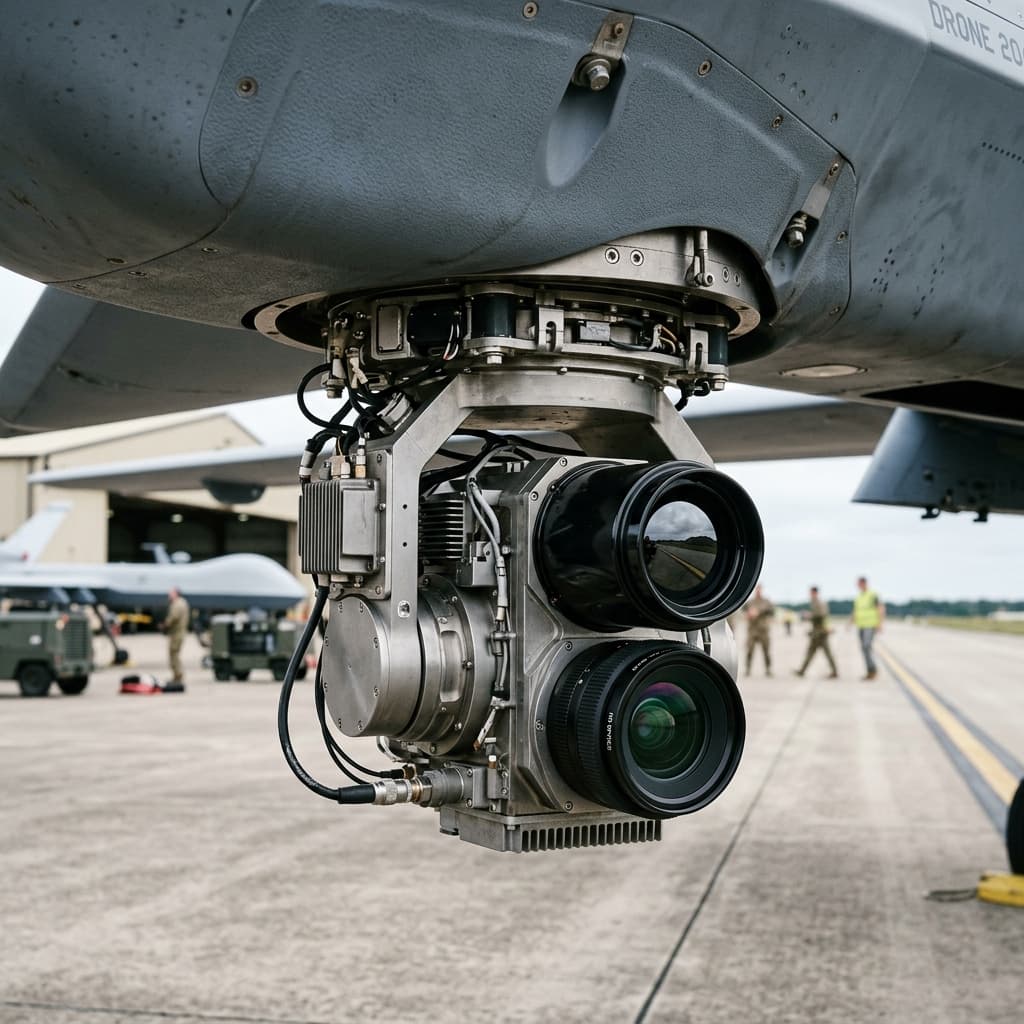
Progressing up this maturity scale exponentially increases system complexity and certification difficulty. A Level 1 drone can be certified with simple flight testing. A Level 4 drone demands hundreds of hours of simulation against edge case scenarios to verify the computer vision algorithms. Stepping blindly into higher autonomy levels without understanding the massive computational, sensory, and regulatory penalties inevitably grounds aggressive drone programs.
We can present findings in a working session, map recommendations to your portfolio and risk register, and help you prioritize next steps with clear owners and timelines.