Insights · Report · Field Robotics · Apr 2026
Evaluating the multi-agent mesh architecture: determining total allowable network latency, executing decentralized path planning, and verifying multi-node localization fidelity.
Transitioning from operating a single isolated ground vehicle to deploying a massive coordinated robotic swarm exponentially multiplies both capability and catastrophic failure risk. Swarm operations strictly require moving intelligence away from the centralized operator console directly down into the resilient, interconnected mesh.
Network saturation dictates the maximum massive swarm size. A dozen robots intensely streaming heavily uncompressed raw video identically across a limited localized tactical network will instantaneously crash the entire routing architecture. Swarm engineering demands deep, highly aggressive data curation at the very edge device.
Decentralized specific task allocation prevents total bottlenecking. If the primary coordination algorithm relies entirely perfectly upon a single vulnerable 'mother node' to continuously instruct every single tiny sub-agent, the swarm becomes severely deeply crippled when that primary node falls out of network range.
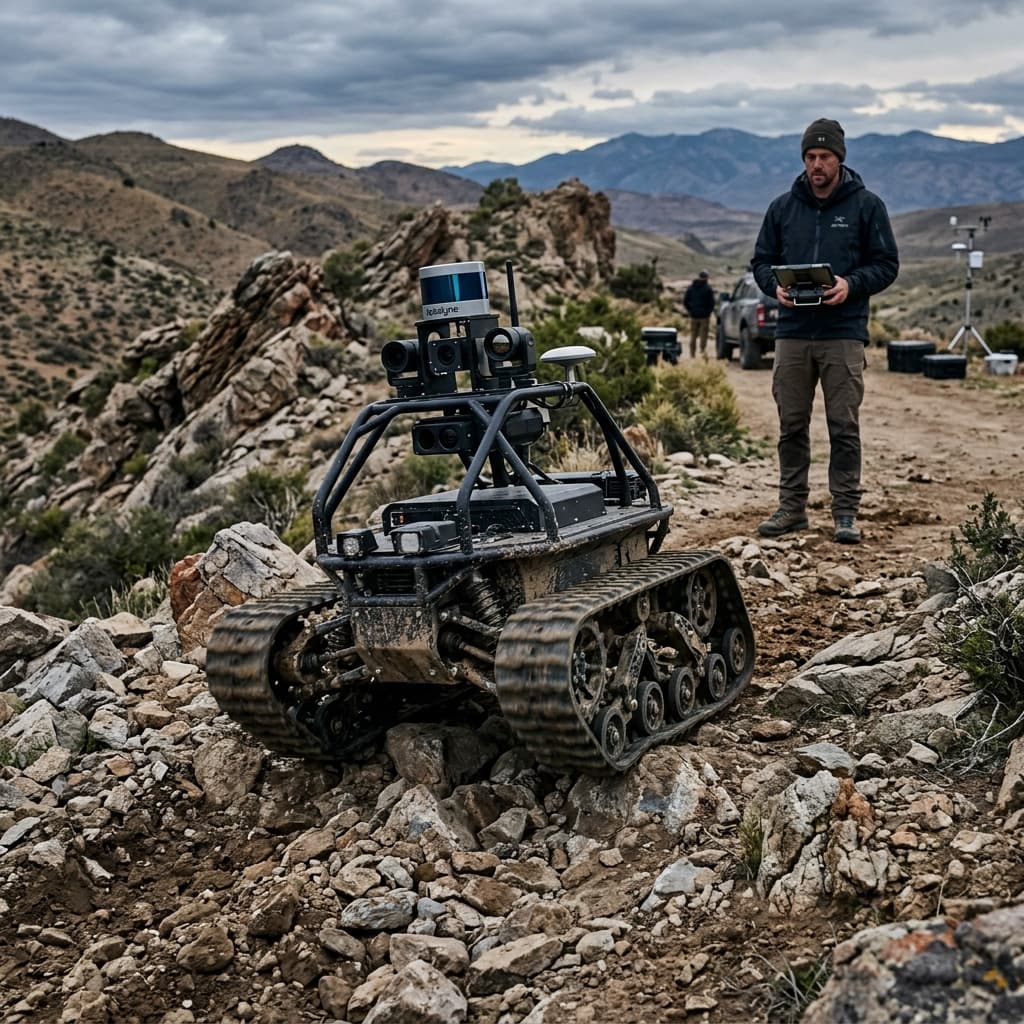
Properly qualifying a swarm architecture firmly requires deliberately violently severing individual specific communication links mid-mission exactly to absolutely verify that the remaining nodes confidently gracefully autonomously recover and successfully continue.
We can present findings in a working session, map recommendations to your portfolio and risk register, and help you prioritize next steps with clear owners and timelines.