Insights · Report · Rugged Hardware · Apr 2026
Optimizing tactical touchscreens for hostile conditions: addressing thick glove operability, intense direct sunlight legibility, and mitigating severe operator fatigue.
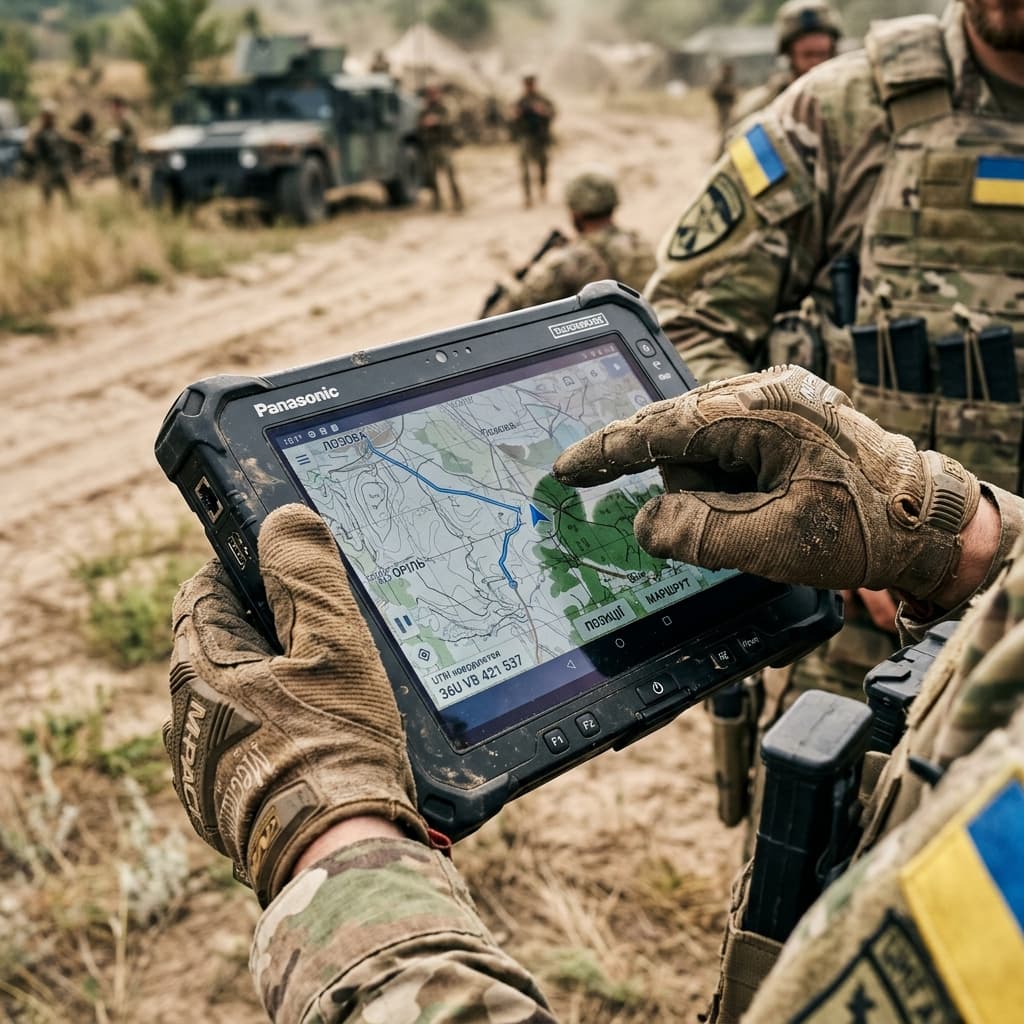
A rugged tactical computer is completely useless if the operator cannot physically interact with the screen during a mission. Deploying standard capacitive touchscreens into the field fails immediately when the user is wearing thick neoprene or heavy fire-retardant gloves. Advanced rugged interfaces require specifically tuned resistive touch panels or enhanced capacitive controllers calibrated explicitly for heavy gloved use.
Sunlight readability dictates operational viability. Under an intense desert sun, a standard 400-nit commercial laptop screen washes out into a dark, illegible mirror. Field displays must feature extreme high-brightness backlights exceeding 1000 nits, coupled heavily with specialized anti-reflective optically bonded glass to completely eliminate internal glare reflections.
Optical bonding eliminates the dangerous air gap between the LCD panel and the exterior heavy cover glass. Without this bonding layer, severe temperature gradients can rapidly cause internal condensation, fogging the screen internally and rendering the data invisible at a critical moment.
Night vision imaging system (NVIS) compatibility is essential for stealth deployments. An intensely bright screen will severely blind an operator utilizing night vision goggles. The display must feature dedicated, hardware-level NVIS modes that drop the backlight to near zero while maintaining high contrast, completely preventing blooming in the user’s optical goggles.
We can present findings in a working session, map recommendations to your portfolio and risk register, and help you prioritize next steps with clear owners and timelines.