Insights · Report · Field Robotics · Apr 2026
Building formal engineering safety cases for field robotics: modeling catastrophic failure modes, designing deterministic emergency stops, and analyzing human-machine proximity hazards.
Deploying heavily armored, multi-hundred-pound autonomous robots into crowded environments requires explicitly formalized safety engineering. A System Safety Case is a mathematically rigorous document proving that the robotic platform will not cause catastrophic harm if its internal sensors or path planning software suddenly fail.
Hardware-level emergency stops (E-Stops) provide the foundational safety layer. Relying on a software-based override command to halt a rogue robot is severely inadequate; if the primary CPU hangs, the stop command is ignored. Field robots must feature independent, hard-wired safety relays that physically sever the massive drive battery current immediately when the E-Stop button is struck or the wireless safety signal is dropped.
Operational proximity buffers dictate safe speeds. The safety case strictly models the robot's physical stopping distance across various slick or uneven terrains. If the robot detects a human entering its operational zone, the firmware must definitively guarantee an immediate deceleration, proving mathematically that it cannot strike the pedestrian under any terrain condition.
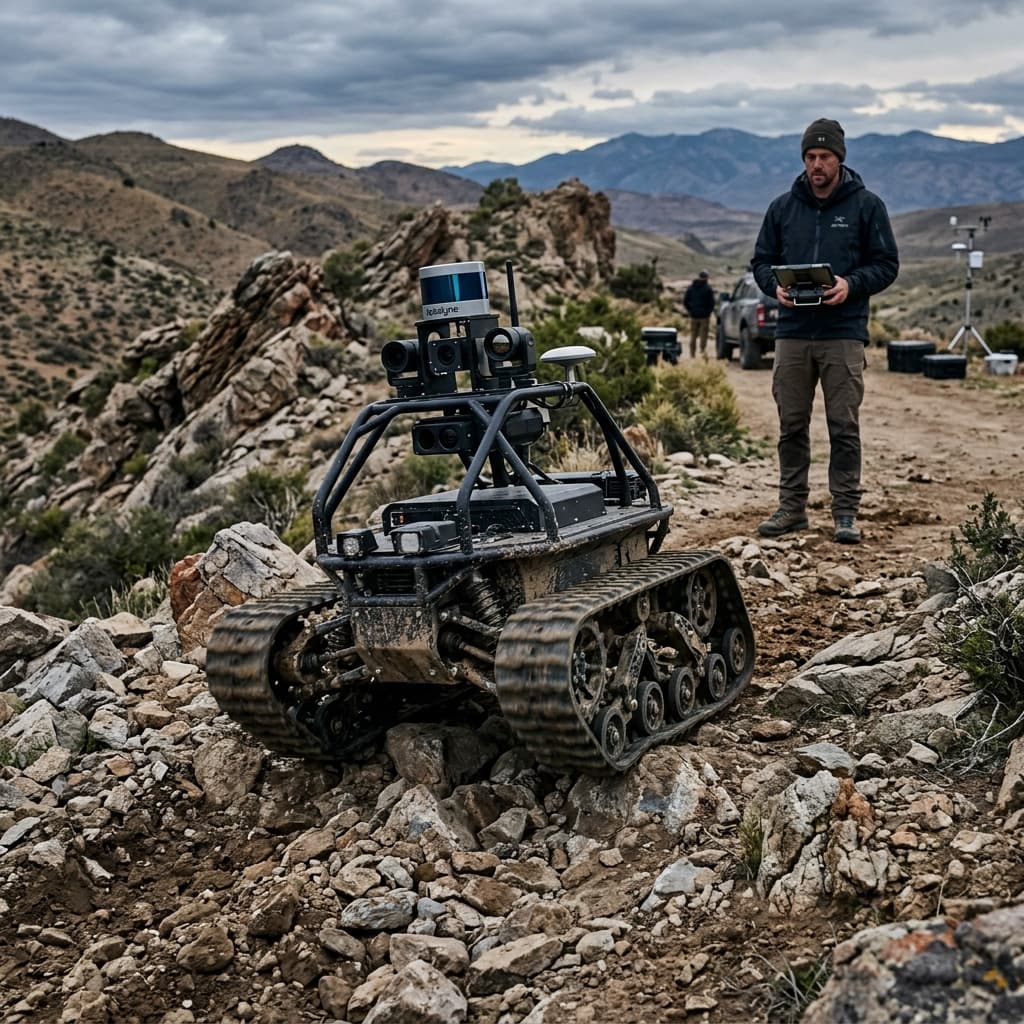
Ultimately, a rigorous safety case ensures that absolute mechanical safeguards always decisively override ambiguous artificial intelligence decisions.
We can present findings in a working session, map recommendations to your portfolio and risk register, and help you prioritize next steps with clear owners and timelines.