Insights · Report · Rugged Hardware · Apr 2026
Analyzing critical power infrastructure for portable operations: optimizing battery chemistry selection, managing complex voltage conversions, and ensuring fault tolerance in rugged environments.
The functionality of complex portable tactical systems relies entirely on a robust, carefully engineered power architecture. A high performance field computer requires precise voltage regulation. In unstable environments, power spikes from field generators or rapid battery depletion can cause catastrophic processing failures if the power board is inadequate.
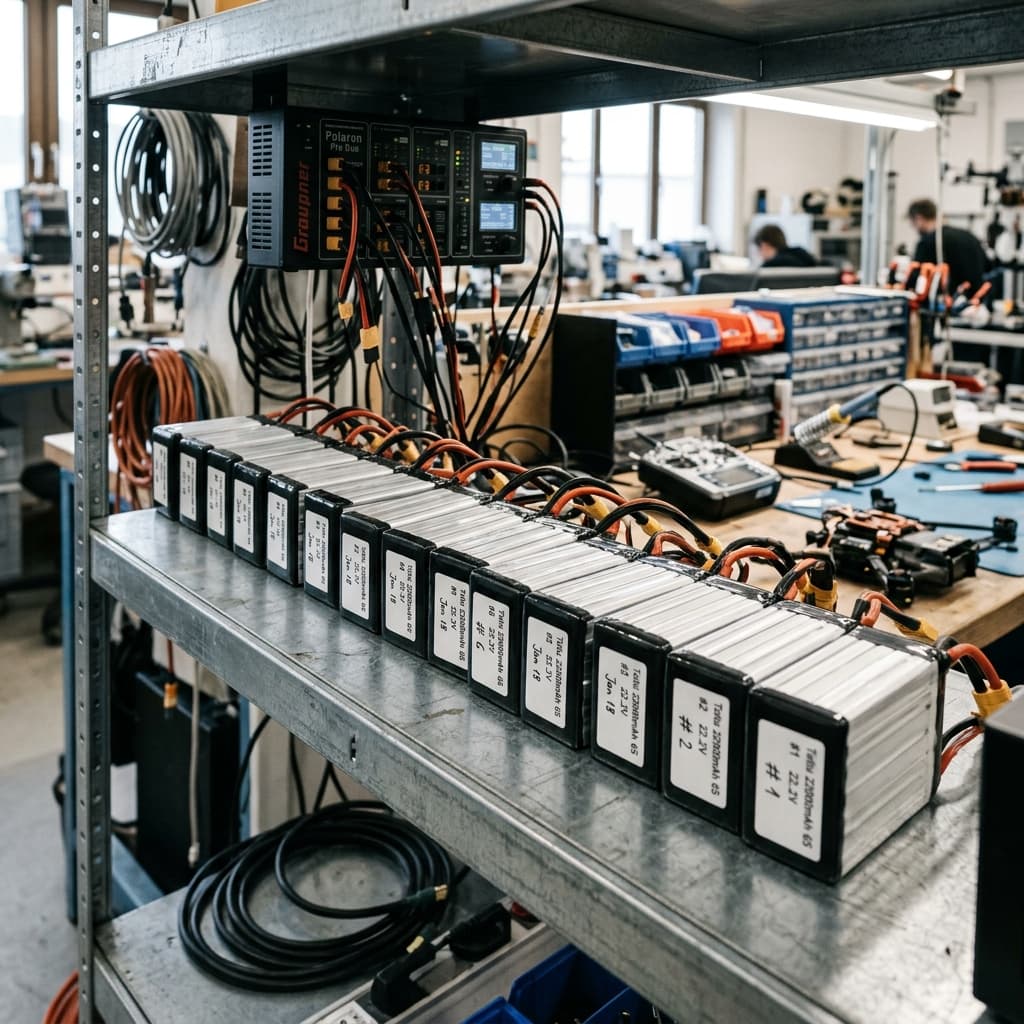
Battery chemistry selection dictates the mission profile. While Lithium-ion provides immense energy density, it poses severe thermal runaway risks. For environments demanding extreme safety margins, engineers may opt for slightly heavier but chemically stable Lithium Iron Phosphate (LiFePO4) compositions, sacrificing some field runtime for absolute stability.
Voltage conversion efficiency determines thermal load. Stepping down a 24V military vehicle power supply to a 5V logic board generates significant heat. Low quality power converters act as small heaters inside the sealed chassis. Advanced designs utilize high efficiency switching regulators, often tightly thermally bonded to the aluminum chassis to reject heat straight into the external airflow.
Fault tolerance and reverse polarity protection are non-negotiable. In the dark, a stressed operator may accidently wire a power cable backwards. A rugged system must incorporate robust protection diodes that instantly block the reverse current, preventing the expensive motherboard from turning into ash due to a simple human error.
We can present findings in a working session, map recommendations to your portfolio and risk register, and help you prioritize next steps with clear owners and timelines.