Insights · Report · Parachutes · Apr 2026
Evaluating the implementation of complex computational fluid dynamics (CFD) mapped directly to operational telemetry to create deeply predictive digital models for heavy payload deceleration.
The historical validation of new heavy parachute designs relied completely on throwing massive weighted payloads out of aircraft and aggressively hoping the expensive prototype survived the violent opening shock. This trial and error methodology is fundamentally unsustainable for modern, deeply complex aerospace deceleration systems. 2026 engineering requires vastly predictive models. A 'Digital Twin' is an exact, hyper accurate computational representation of the vast physical parachute system, dynamically updated with real world telemetry, explicitly allowing engineers to violently crash and shred the canopy ten million times in a secure simulation space before ever cutting a single yard of expensive nylon.
Building a true digital twin demands extreme Computational Fluid Dynamics (CFD). Simulating the inflation of a perfectly rigid metal aircraft wing is complex; simulating a massive, deeply porous, chaotically folding fabric structure inflating at extreme velocities is a supercomputing nightmare. Fluid Structure Interaction (FSI) algorithms intricately represent how the rapidly inflating nylon aggressively interacts with the massive high pressure air mass, stretching the digital fabric fibers sequentially to explicitly define exactly where the massive stress nodes will wildly converge during opening shock.
Feeding the twin requires massive amounts of heavily instrumented real world flight data. A digital model without aggressive validation is simply an expensive cartoon. The digital twin aggressively ingests massive telemetry logs from actual high speed drop tests. By layering the hyper precise G force loads, rapid barometric drops, and specific GPS descent glides over the massive CFD prediction model, the AI heavily fine tunes the underlying equations, violently pushing the digital representation closer and closer to brutal operational reality.
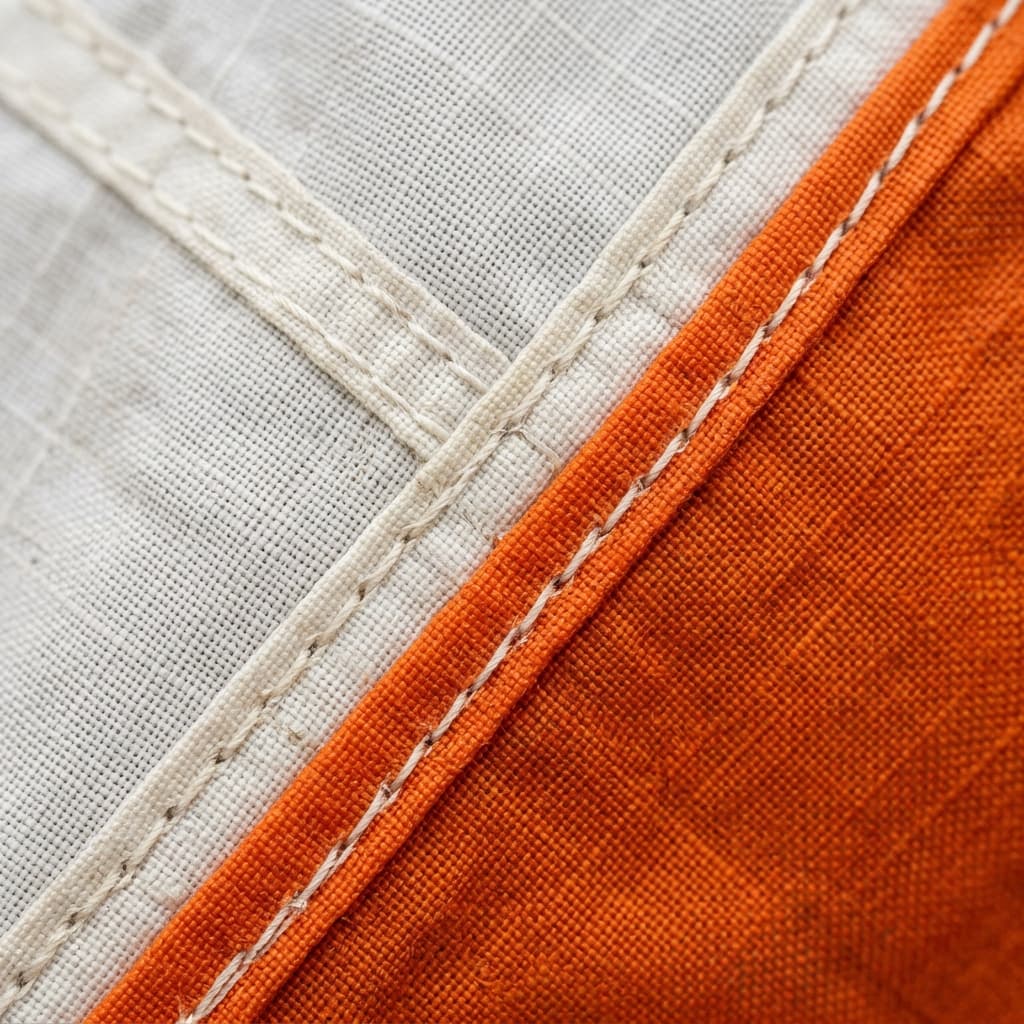
Predictive wear and aggressive tear maintenance represents the ultimate logistical return on investment. The overarching database records exactly how many times a specific serial numbered canopy has been massively deployed and packed. The digital twin analyzes this huge deployment history, cross references it against the exactly mapped structural weakness nodes discovered during simulation, and accurately predicts precisely which specific suspension line or massive leading edge seam will fail first, explicitly ordering local maintenance to replace that specific component heavily before it snaps.
Rapid prototyping heavily accelerates specific edge case exploration. If a highly specialized heavy cargo load requires a massive, deeply asymmetric rigging configuration, the engineers aggressively feed those precise new mass and center of gravity geometry parameters into the digital twin. The supercomputer instantly predicts if the proposed heavy layout will result in a violent, uncontrollable pendulum swing during descent, instantly saving the deeply expensive real world test article from total catastrophic destruction.
Integrating deeply variable atmospheric conditions unlocks true predictive deployment accuracy. Ground crews aggressively feed dynamic, highly precise local wind shear metrics and rapid temperature gradients straight into the tactical system's digital twin perfectly prior to the active drop. The model instantaneously defines the exact complex chaotic aerodynamic drift the heavy canopy will aggressively experience, outputting precisely optimal high altitude aircraft release coordinates flawlessly beyond the capacity of simple legacy CARP tables.
Developing a hyper accurate digital twin for flexible deceleration structures is currently incredibly computationally heavy, deeply specialized, and massively expensive. However, by radically moving failure out of the sky and directly onto the server cluster, the parachute development pipeline aggressively mitigates lethal physical risk while fundamentally pushing tactical precision far closer towards perfection.
We can present findings in a working session, map recommendations to your portfolio and risk register, and help you prioritize next steps with clear owners and timelines.