Insights · Report · Parachutes · Apr 2026
Deconstructing the post-incident forensic methodology: isolating mechanical failure points, analyzing canopy entanglement telemetry, and determining manufacturer defects versus critical rigger error.
When a highly qualified tactical parachute system experiences a severe malfunction resulting in a major injury or fatality, the ensuing investigation cannot rely heavily on witness assumptions or fragmented video evidence. A catastrophic deployment failure is a deeply complex, incredibly violent sequence of events executing over mere milliseconds at terminal velocity. The formal safety investigation must proceed with aggressive forensic rigor, systematically dismantling the tangled wreckage to definitively isolate the precise mechanical breakage, severe deployment aerodynamic anomaly, or critical human packing error that initiated the terrible chain reaction.
The immediate securing of the impact site establishes the forensic baseline. Invaluable diagnostic evidence vanishes rapidly if untrained personnel attempt to 'clean up' the deeply tangled wreckage. Investigators must painstakingly document exactly how the deeply knotted suspension lines lay across the ground, taking high resolution overlapping photography. Every severed piece of white nylon webbing, every deeply scorched deployment bag, and the exact spatial location of the heavily deployed automatic activation device (AAD) must be deeply mapped before the system is bagged and aggressively placed into strict quarantine custody.
Isolating the initiating event requires working deeply backward through the physical wreckage. A massive canopy blown completely into ribbons initially looks like a massive manufacturer fabric failure. However, detailed forensic analysis often reveals deep, aggressive friction burns near the main slider mechanism. This dictates that the fabric was inherently strong, but an incorrectly routed steering line aggressively sawed entirely through the primary load bearing seam during high speed deployment, instantly triggering the massive blow out. The burn marks tell the true chronological story.
Telemetry extraction from the Automatic Activation Device (AAD) is paramount. Modern heavily ruggedized AADs do much more than simply fire a sharp cutter; they are highly advanced black boxes. These tiny microcontrollers record precise altitude, massive barometric pressure drops, and complex descent velocity metrics thousands of times a second. Downloading the highly encrypted telemetry log definitively proves exactly when the jumper left the aircraft, whether they achieved a highly stable freefall, and the exact millisecond the emergency reserve was automatically initiated.
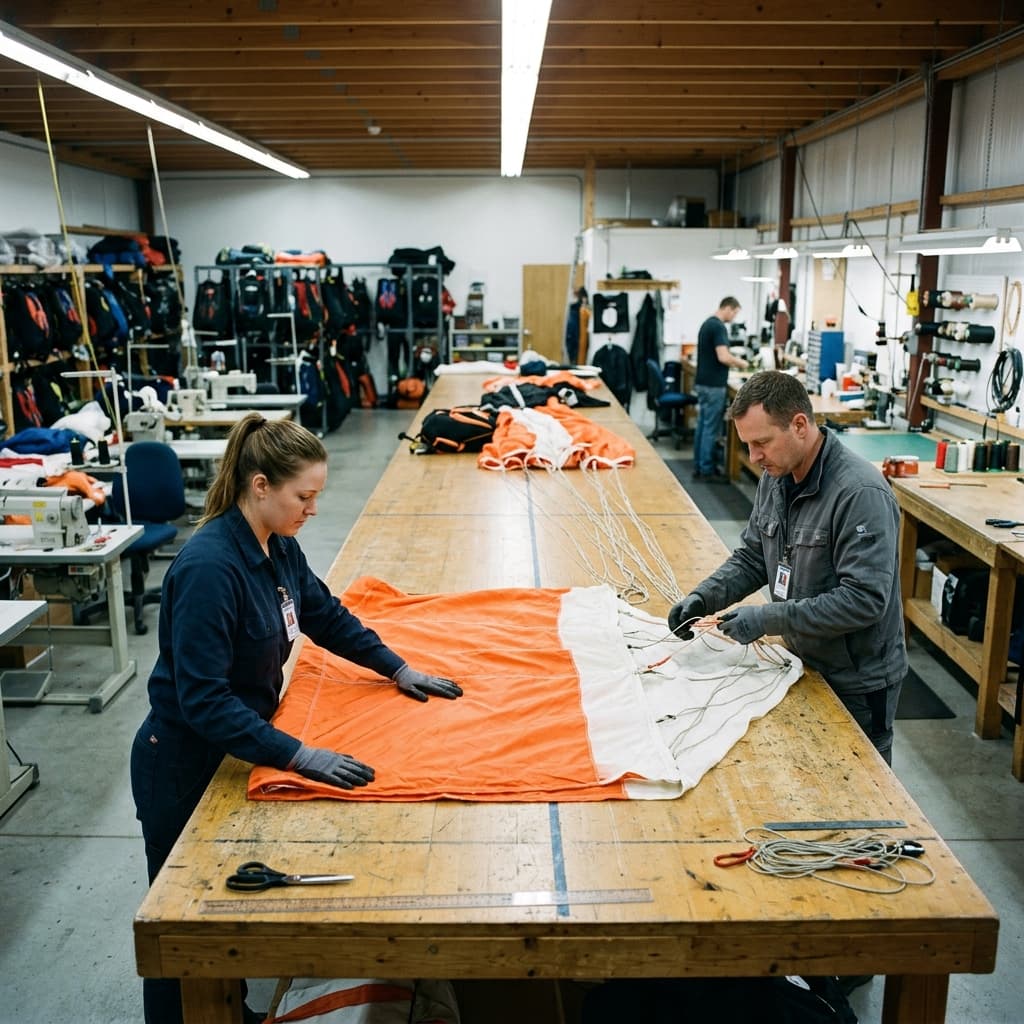
Disentangling manufacturer defect from critical rigger error is the most politically sensitive phase of the investigation. If a massive metal D-ring snaps cleanly in half, the metallurgical failure demands an immediate, massive fleet wide grounding of that specific hardware lot. Conversely, if the investigation definitively reveals that a heavily critical closing pin was routed backwards through a twisted fabric loop, the resulting 'hard pull' malfunction is explicitly classified as fatal rigger error. This aggressive distinction relies entirely on the deeply preserved digital logbooks outlining the exact chain of custody in the loft.
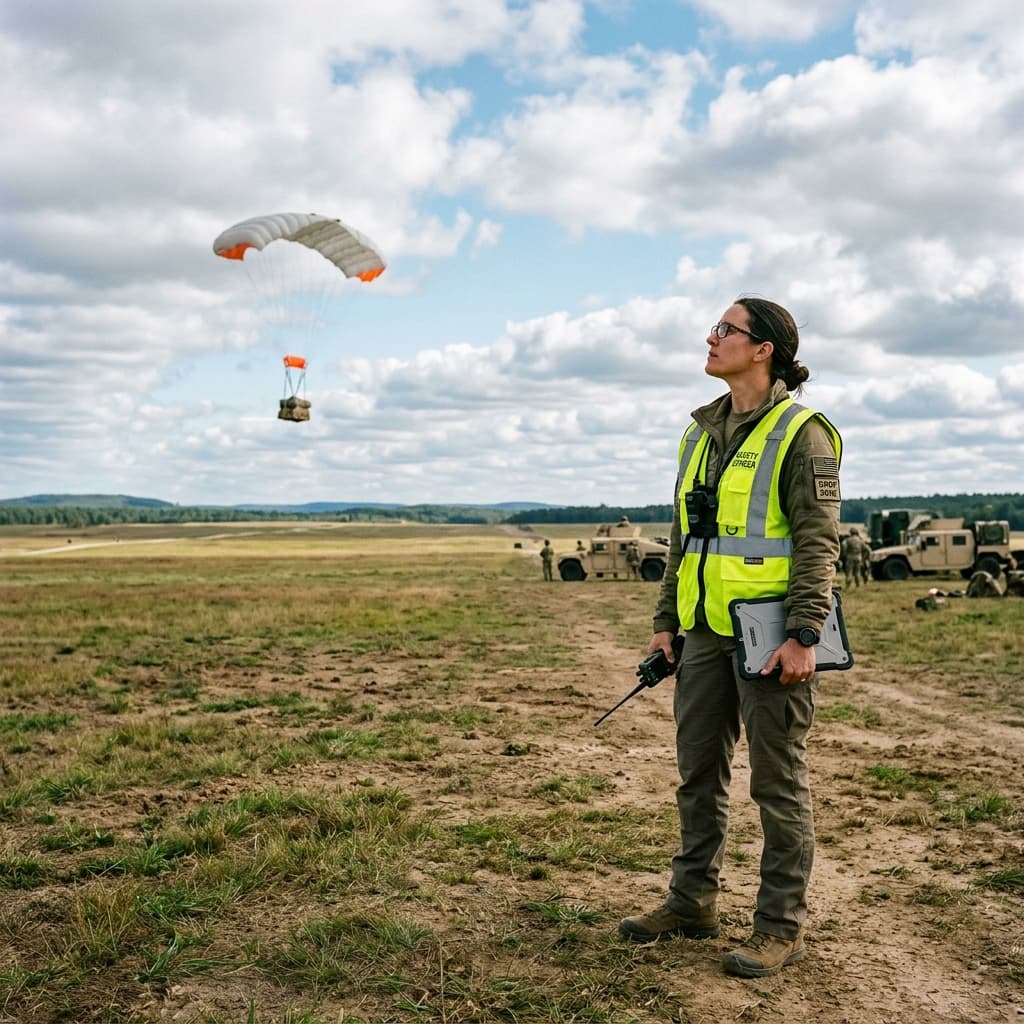
Atmospheric conditions heavily exacerbate edge case vulnerabilities. A parachute packed perfectly to deeply rigid specifications simply may not inflate smoothly if aggressively subjected into a massively severe, highly unpredictable wind shear perfectly at the exact moment of deployment. Cross referencing aggressive localized meteorological data against the highly specific timing sequence verified by the AAD helps definitively bracket whether the failure was an internal mechanism break or an external, massively destructive weather event.
Reconstruction boards represent the absolute final stage of the forensic process. Once the shredded wreckage is heavily analyzed and the telemetry mapped, highly specialized master riggers aggressively attempt to explicitly recreate the specific malfunction on identical, brand new systems using massive weighted test dummies. If they can definitively duplicate the exact knot or specific fabric tear under heavily controlled drop conditions, the final investigation loop is closed.
A complete parachute safety investigation deeply rejects ambiguity. The process must deliver an uncompromising, heavily documented conclusion dictating the exact physical physics of the failure. Only strict, unbiased scientific clarity can confidently return the remaining fleet to operational flight status.
We can present findings in a working session, map recommendations to your portfolio and risk register, and help you prioritize next steps with clear owners and timelines.