Insights · Report · Research · Apr 2026
A concise executive view of how we qualify uncrewed systems, expedition infrastructure, and integrated robotics for demanding environments: governance, evidence packages, and the metrics program leads use to align safety with delivery.
Programs that move from demonstration to sustained field operations rarely fail for lack of ambition. They fail where evidence, configuration control, and human procedure diverge. This brief summarizes how Niyotek structures readiness across aerial, parachute, shelter, hardware, and robotics workstreams so that leadership can see risk in operational terms rather than as a stack of disconnected checklists.
Readiness begins with a single configuration baseline per deployed system. Serial-controlled assemblies, firmware identifiers, and mechanical torque records should trace from supplier through integration to the operator handoff. When baselines drift without documentation, investigations after an off-nominal event become exercises in reconstruction instead of learning.
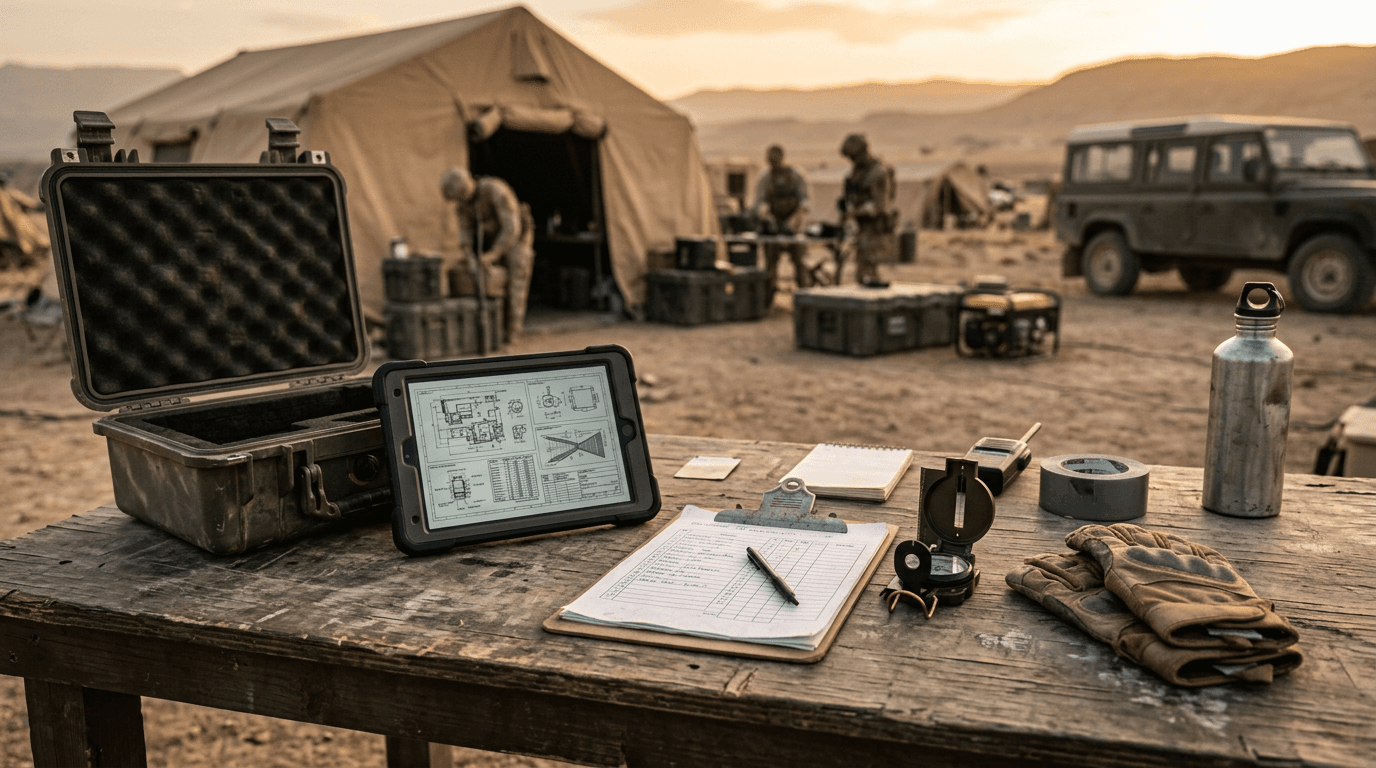
We group field systems into three assurance bands: crewed-adjacent uncrewed aerial work, airdrop and recovery subsystems, and fixed or mobile ground robotics. Each band carries distinct hazard profiles and regulator expectations. The brief does not replace domain-specific standards; it aligns program governance so those standards are applied consistently across vendors and sites.
Metrics for readiness should be measurable and boring: percentage of missions flown with complete signed records, mean time to recover from controlled abort, and variance between predicted environmental limits and actual measured conditions. When metrics are vague, teams optimize narratives. When metrics are concrete, teams optimize behavior.
Training and competency are part of readiness, not a parallel HR topic. Packers, pilots, robot operators, and integration engineers each need recurrency tied to the configurations they touch. Cross-training is valuable, but substitution without qualification is how silent skill gaps appear at the worst moment.
Supplier alignment is explicit in our brief. We expect component vendors to deliver change notifications that map to test scope, not only part numbers. Integration partners should participate in joint fault injection and documentation reviews before site acceptance. Readiness is a network property, not a single integrator’s opinion.
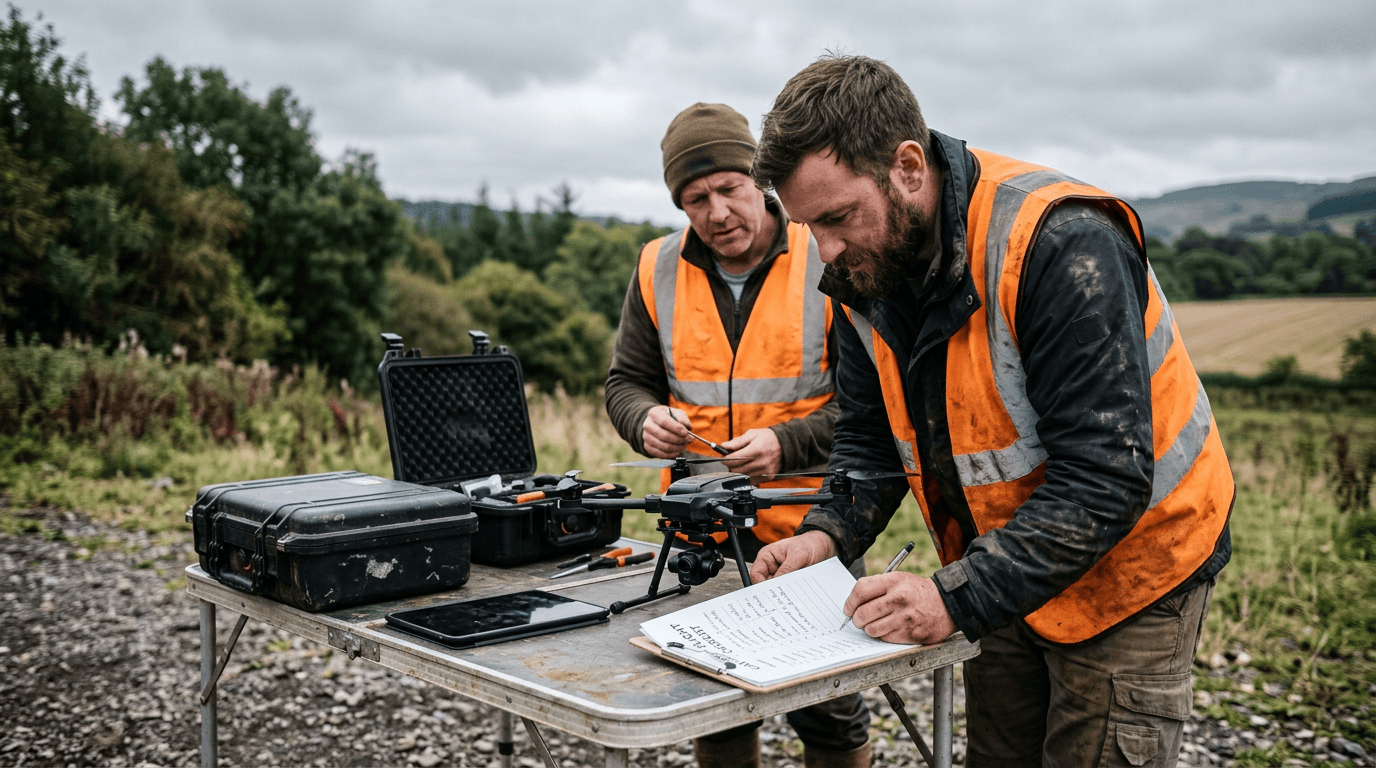
Finally, we close with decision prompts for steering forums: where environmental envelopes need narrowing, where spare ratios are insufficient for the mission tempo, and where telemetry coverage is too thin to support post-event analysis. The goal is signed commitments, not additional study - so programs can move forward without trading safety for speed by accident.
We can present findings in a working session, map recommendations to your portfolio and risk register, and help you prioritize next steps with clear owners and timelines.