Insights · Report · Parachutes · Apr 2026
An engineering overview of validating tactical parachute systems: deconstructing dynamic jump testing, evaluating opening shock telemetry, cross wind survivability, and ultimate tensile strength compliance.
Transitioning a parachute design from computational fluid dynamics models into an active military inventory requires an exhaustive gauntlet of physical validation. A tactical parachute is not merely a fabric decelerator; it is a vital life support system subjected to intensely aggressive opening forces at terminal velocity. Military qualification standards reject theoretical models. They demand brutal, empirical physical testing under massive stress to prove mathematically that every harness stitch, canopy seam, and reefing line will survive the absolute worst case deployment scenario.
The core metric of parachute qualification is managing Opening Shock. When a heavily loaded system deploys precisely at maximum terminal velocity, the massive volume of dense fabric violently catches the rushing air. The instantaneous deceleration generates a colossal G force spike throughout the harness. If the opening shock exceeds the structural limits of the suspension lines, the lines snap. If the shock transfers unabated to the jumper, it induces permanent spinal damage. The qualification procedure demands precise, instrumented drop tests utilizing weighted mannequins packed with telemetry sensors to record the exact G force of the opening event.
Reefing systems provide the primary engineering solution to manage extreme opening shock. A reefing system (such as slider rings or specialized heavy duty cords) artificially constricts the mouth of the massive parachute canopy during initial deployment. This slows the inflation rate, allowing the heavy payload to partially decelerate gracefully before the reefing system mechanically releases and the canopy 'blossoms' into its full, massive operational diameter. Properly calibrating the exact deployment delay of the reefing system is a highly empirical trial and error process during qualification.
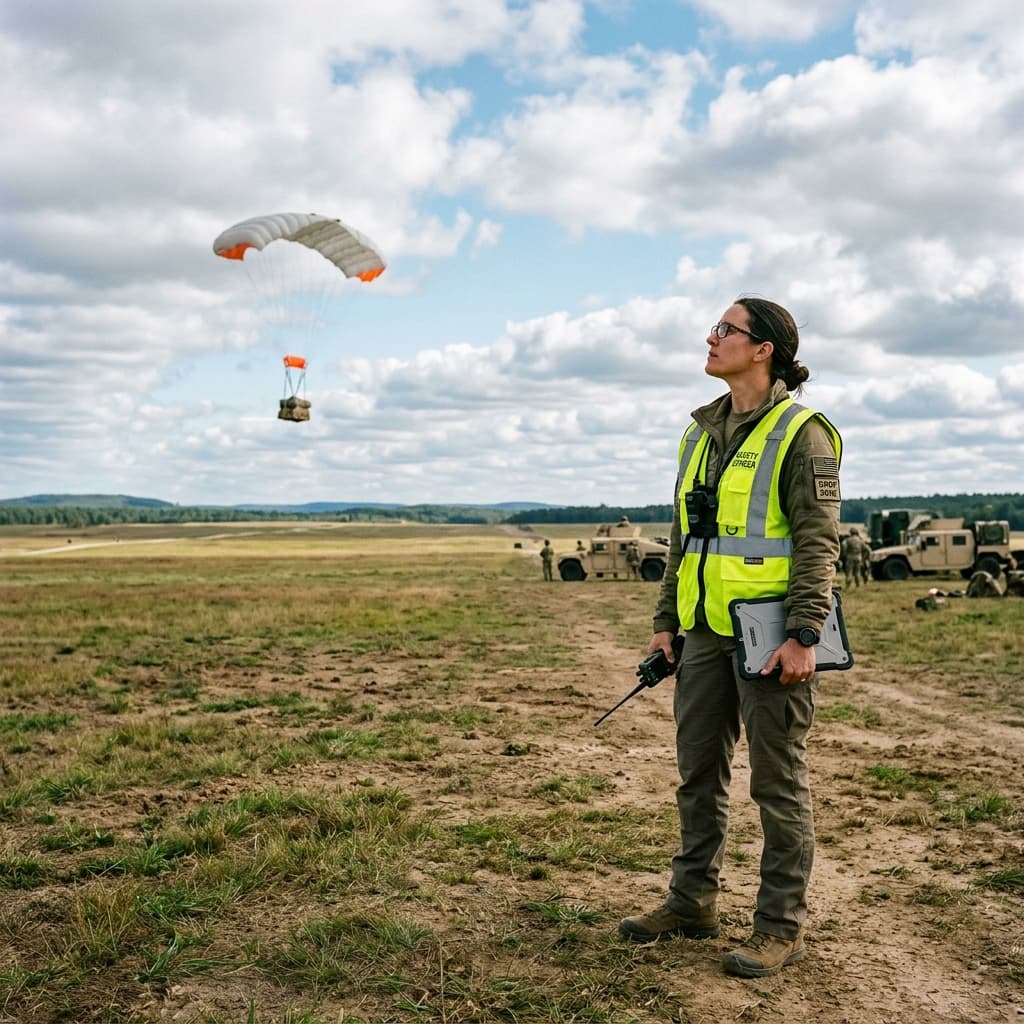
Ultimate Tensile Strength (UTS) destructive testing forms the foundation of material qualification. Every single batch of webbing, suspension line, and base fabric used in the system must be aggressively pulled entirely apart on a specialized hydraulic tensiometer. It is insufficient to prove a heavy parachute works beautifully in flight; the manufacturer must prove statistically that the weakest piece of webbing possesses a severe safety factor (often 3x or 5x) greater than the absolute maximum opening shock the instrumented drop tests recorded.
Dynamic cross wind and severe entanglement testing attempt to induce failure deliberately. A parachute operates in chaotic, turbulent air. The qualification process must explicitly define how the system reacts if the payload is tumbling violently during deployment, or if intense horizontal wind shear strikes the canopy just as it inflates. To graduate from qualification, the system must demonstrate predictable, fail safe inflation even when dumped haphazardly out the back of a cargo ramp into massive wake turbulence.
Reserve parachute systems undergo a significantly more aggressive qualification matrix. A primary parachute is granted minor deployment delays. A reserve system operates totally outside normal parameters; it is deployed rapidly from incredibly low altitudes exclusively when the primary system has tangled or failed. The reserve qualification test must prove that the smaller, denser canopy will aggressively grab the air and achieve a fully inflated, stabilized descent from an impossibly low altitude without hesitating.
Environmental degradation forms the final, long term hurdle. A tactical parachute system may sit tightly packed in a humid logistics depot for six straight years before it is thrown onto an active transport aircraft. The nylon and massive metal hardware must survive prolonged extreme thermal cycling, heavy humidity, and specifically, the intense frictional heat accumulated inside a tight deployment bag. Validation requires placing fully packed rigs into extreme environmental chambers before executing the final round of high velocity live drop tests.
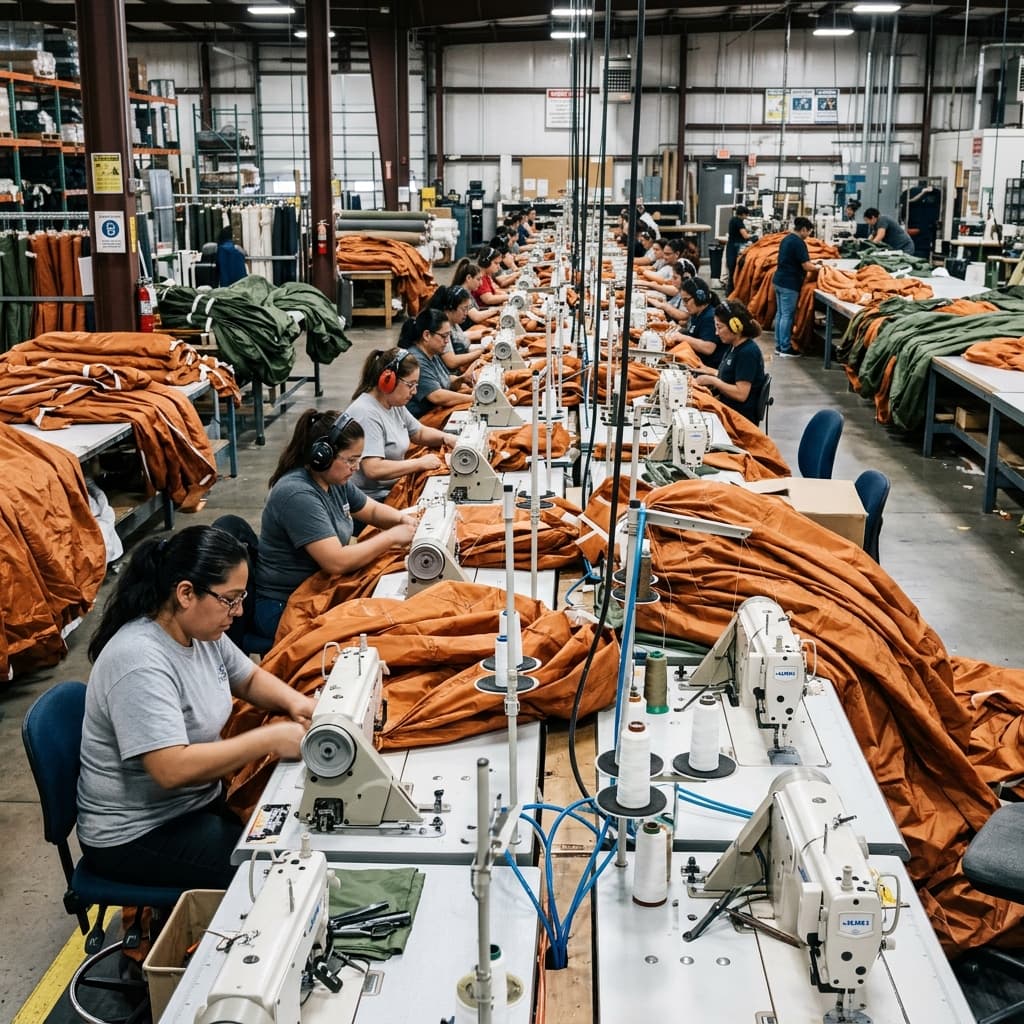
Successfully qualifying a military parachute is a phenomenally expensive, time intensive engineering discipline that brutally rejects hardware iterations. Every failed live drop demands identifying the sheared line or blown seam, physically reinforcing the specific weak point, packing a completely fresh rig, and repeating the process, proving undeniably that the system is worthy of the lives entrusted to it.
We can present findings in a working session, map recommendations to your portfolio and risk register, and help you prioritize next steps with clear owners and timelines.