Insights · Report · Rugged Hardware · Apr 2026
Deploying machine learning models away from the cloud: evaluating tactical edge computing limitations, optimizing neural processing units, and managing extreme thermal outputs.
Modern tactical operations require immediate data analysis. Relying on a slow satellite link to send drone video back to a cloud server for target recognition is too slow. The solution is 'Edge Computing': embedding specialized hardware directly onto the robot to run complex Artificial Intelligence (AI) algorithms locally, without external network dependencies.
Neural Processing Units (NPUs) and onboard GPUs provide the necessary capability. A standard CPU will choke when attempting to analyze a 4K video feed for specific object anomalies. Dedicated AI hardware accelerators perform parallel processing matrix calculations rapidly, delivering immediate target identification alerts directly to the operator in the field.
SWaP-C (Size, Weight, Power, and Cost) constraints strictly govern edge AI integration. Inserting a massive GPU into a small tactical drone will drain its battery in minutes. Engineers must heavily compress the mathematical models (quantization) and select highly efficient System on Module (SOM) compute components that balance capability against extreme power starvation.
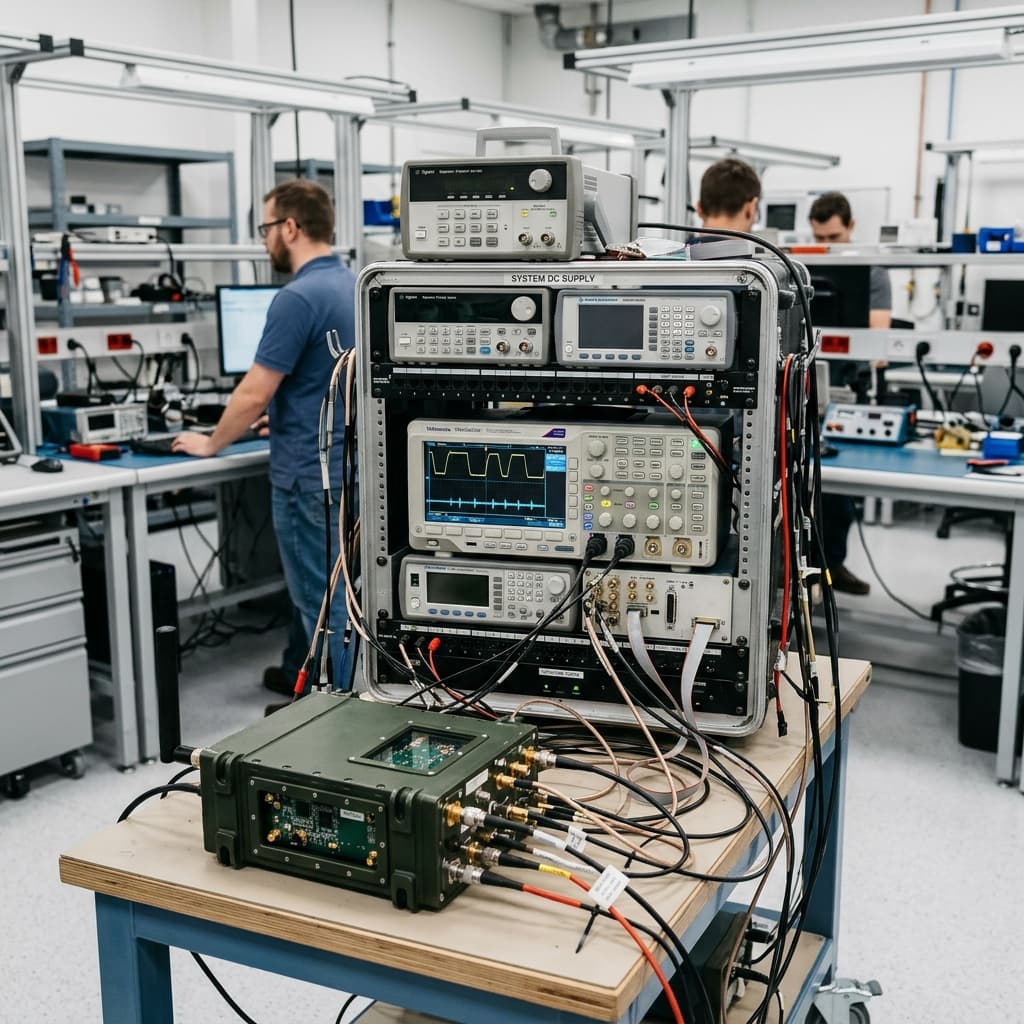
Thermal management dictates inference sustained speeds. A GPU performing AI calculations generates enormous heat. In a sealed, fanless rugged enclosure, this heat aggressively threatens the silicon. If the thermal dissipation path is inadequate, the processor will automatically throttle its speed to survive, severely degrading the tactical AI performance right when it is needed most.
We can present findings in a working session, map recommendations to your portfolio and risk register, and help you prioritize next steps with clear owners and timelines.