Insights · Report · Field Robotics · Apr 2026
Executing long-term sustainment for heavy tracked robots: defining field-level track replacement intervals, managing heavy battery cycling infrastructure, and standardizing tool-free payload swaps.
Deploying a fleet of tactical ground robots necessitates an immensely heavy logistics tail. Unlike small aerial drones, massive tracked vehicles suffer severe physical degradation from grinding against raw terrain. Ignoring deep preventative maintenance logistics will rapidly reduce an expensive robotic fleet to a highly immobile pile of broken scrap metal.
Track and flipper maintenance dictates the deployment tempo. Heavy rubber tracks violently wear down on sharp concrete rubble. The logistics mandate explicitly requires that field operators must be able to securely completely swap a massively damaged track belt using only basic hand tools within a highly constrained thirty minute window.
Motor gearbox lubrication intervals are distinctly critical. High-torque drive motors powering heavily loaded robots run incredibly hot. Sourcing and properly applying specialized, extreme-temperature synthetic greases in the field is mandatory to prevent catastrophic internal heat seizing within the planetary gear hubs.
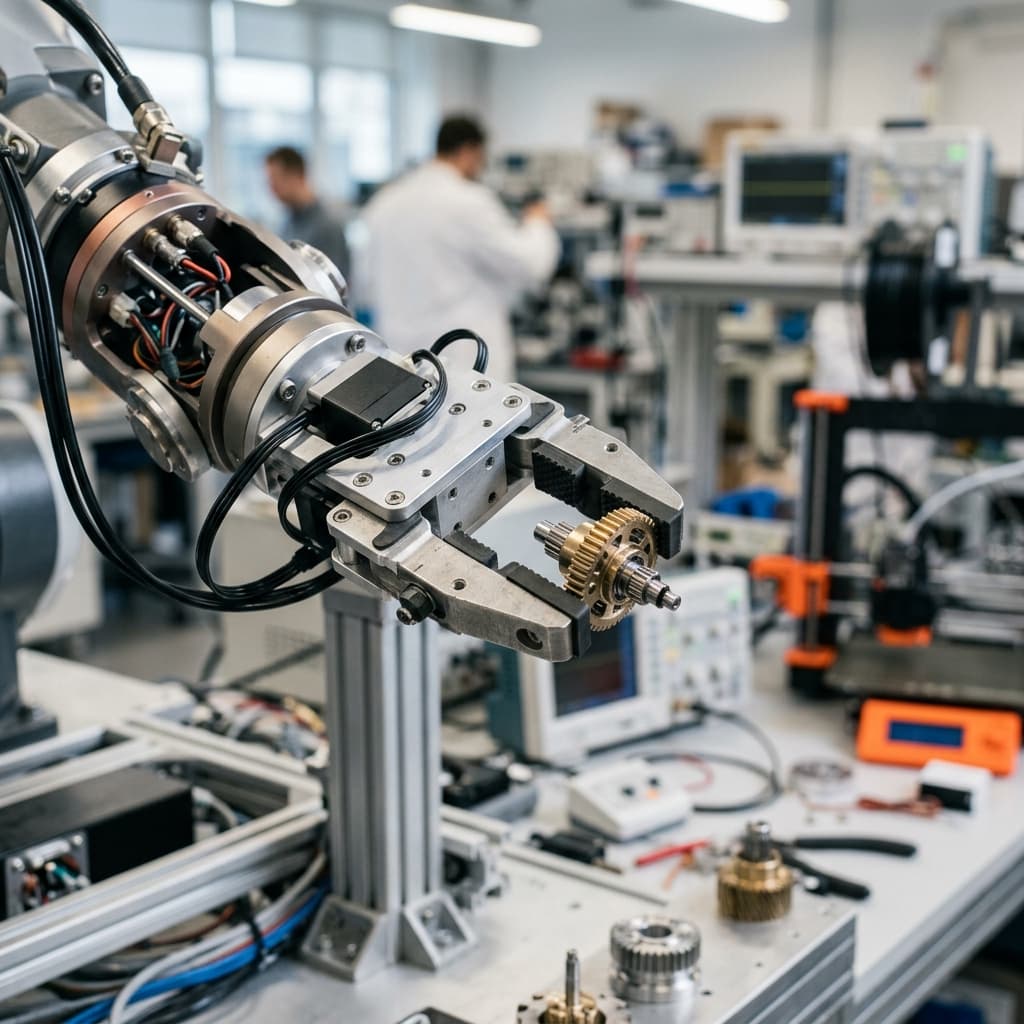
Sustainment demands predictive failure analysis. Modern robotic platforms continuously log massive motor current draws and vibration telemetry, accurately predicting exactly when a drive sprocket will shear, allowing preemptive field repairs entirely before critical mid-mission failures occur.
We can present findings in a working session, map recommendations to your portfolio and risk register, and help you prioritize next steps with clear owners and timelines.