Insights · Report · Drones · Apr 2026
A rigorous engineering framework for evaluating consumer and prosumer COTS drones for integration into demanding industrial or tactical operations: assessing cybersecurity risks, closed ecosystems, and rapid hardware obsolescence.
The massive scale of the consumer drone market has produced highly capable, incredibly inexpensive Commercial Off The Shelf (COTS) platforms. Valued at mere thousands of dollars, these systems often boast stabilized 4K cameras, multi directional obstacle avoidance, and flight times matching bespoke tactical systems costing ten times more. The temptation for program managers to procure COTS drones for demanding industrial, emergency response, or tactical applications is immense. However, evaluating a COTS drone requires aggressively looking past the impressive specification sheet to understand the deeply restrictive, tightly controlled ecosystems these platforms inhabit.
Data security and telemetry routing represent the absolute fundamental flaw of most COTS platforms. Consumer drones are heavily engineered to sync seamlessly with cloud based mobile applications. These applications frequently quietly farm massive amounts of flight telemetry—including precise GPS tracks, altitude data, and sometimes low resolution video cache—and upload it directly to foreign hosted commercial servers. For a heavily regulated industrial site or a sensitive military operation, this non consensual data exfiltration is a massive breach of operational security, rendering the platform instantly unusable.
The 'walled garden' architecture aggressively limits payload integration. A bespoke tactical drone utilizes open architecture mounting rails and publishes documented power output interfaces, allowing engineers to quickly swap an entire sensor payload. COTS drones are hermetically sealed hardware ecosystems. Attempting to mount a specialized third party laser spectrometer to a consumer drone involves crude 3D printed brackets, splicing heavily into undocumented internal battery lines, and entirely circumventing the drone's center of gravity calculations, severely degrading the flight performance.
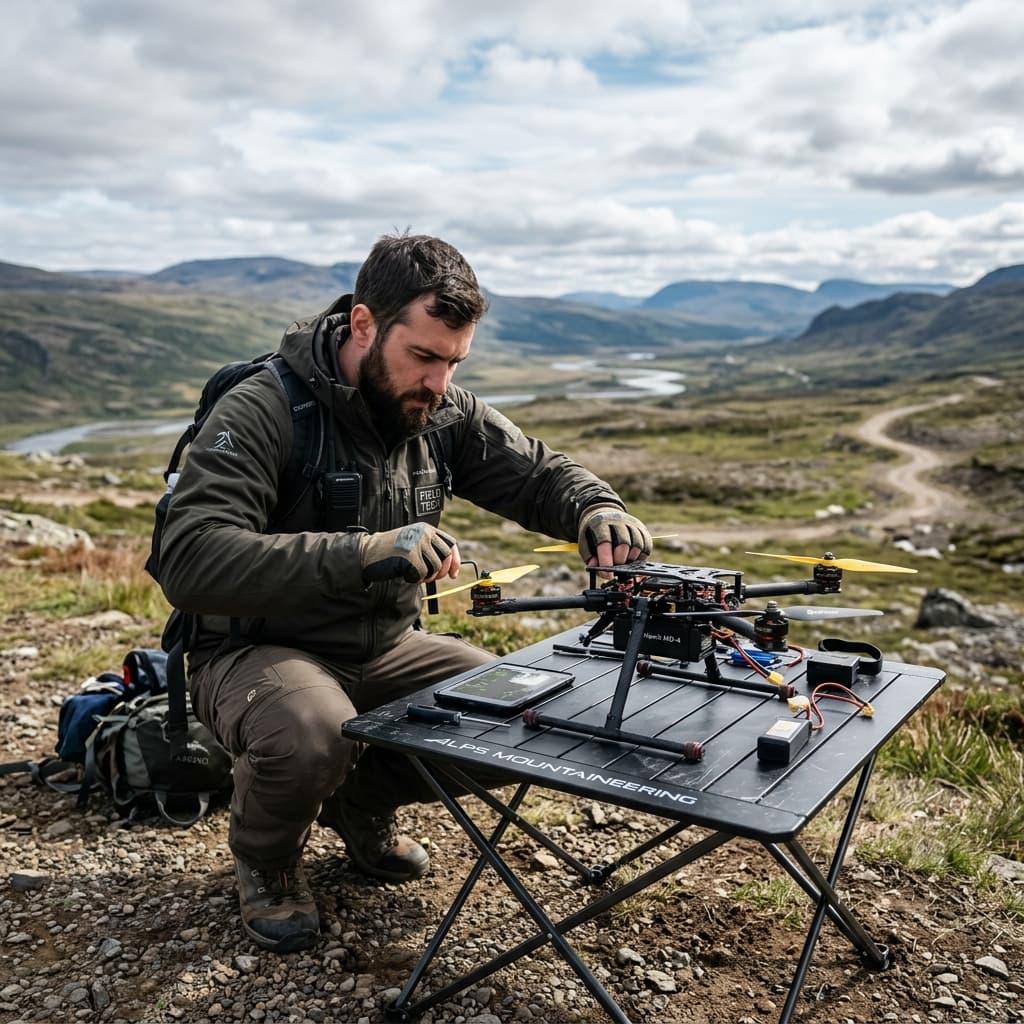
Firmware volatility is a constant, unpredictable threat. In a dedicated defense program, flight controller firmware is strictly version controlled. An operator flies a specific, validated software version absolutely indefinitely until command authorizes a massive, heavily tested push. In the COTS ecosystem, the commercial manufacturer relies on aggressive, mandatory over the air (OTA) updates. An operator may arrive at a critical deployment site, turn on the controller, and be completely locked out from flying until an entirely unvetted sixty minute firmware update downloads via a fragile field hotspot, devastating the mission tempo.
Geofencing represents a catastrophic loss of platform agency. Major COTS manufacturers tightly code airspace maps directly into the drone's core logic. If the drone determines it is located within a five mile radius of an airport or a restricted venue, it will aggressively refuse to start its motors. While excellent for preventing reckless hobbyists from causing airspace disasters, this is fatal for first responders or infrastructure inspectors who have explicit, hard fought legal authorization to operate in that critical airspace but are locked out by a commercial software algorithm they cannot turn off.
Environmental ruggedization is a severe weakness. The impressive lightweight plastic chassis that provides a COTS drone its extended flight time offers absolutely zero ingress protection. A high end commercial drone will fail immediately if flown through light freezing rain or exposed to the intense metallic dust of a mining operation. Without sealed, conformal coated motherboards and filtered active cooling loops, the delicate consumer electronics rapidly corrode and short circuit in punishing field environments.
The supply chain for COTS drones aggressively demands the rapid obsolescence of their own products. A manufacturer generally fully abandons software support and hardware production for a specific model within two to three years in order to force the massive consumer base to upgrade to the newest iteration. An industrial program attempting to standardise a massively trained fleet of specialized operators on a particular platform will find it impossible to procure spare batteries or replacement airframes from the manufacturer within thirty six months.
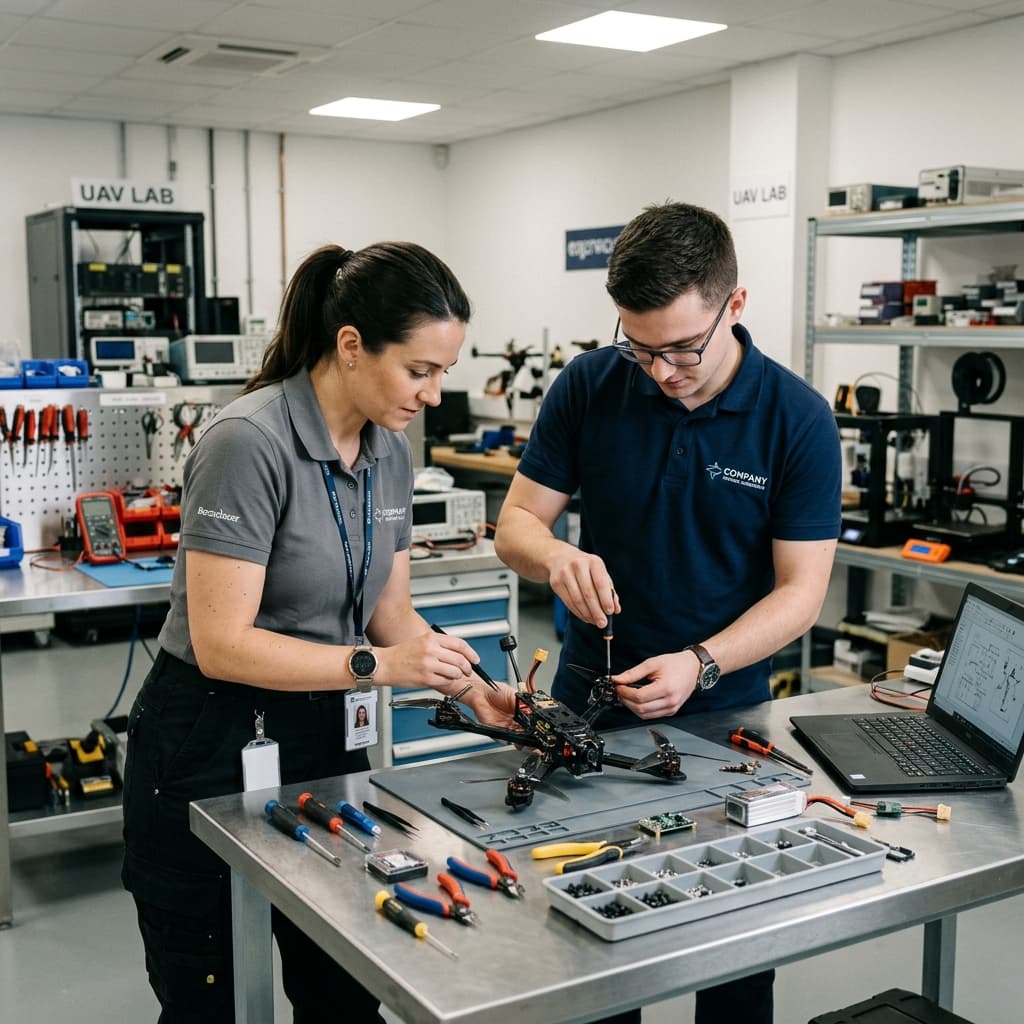
Ultimately, successfully utilizing COTS drones in demanding environments requires an aggressive 'disposable asset' mindset. If the organization accepts that the drone cannot be modified, that its security rests entirely entirely on entirely utilizing massive software workarounds or dedicated isolated mobile devices, and that the entire fleet must be aggressively completely replaced every three years due to obsolescence, the incredibly low procurement cost may occasionally justify the deeply restrictive operational compromises.
We can present findings in a working session, map recommendations to your portfolio and risk register, and help you prioritize next steps with clear owners and timelines.