Insights · Report · Parachutes · Apr 2026
An analysis of heavy logistics airdrop performance: examining the failure rates of massive extraction parachutes, the dynamics of pallet roller mechanisms, and mitigating multi ton cargo breakup.
The massive logistical backbone of austere expeditionary deployments relies entirely on heavy Cargo Delivery Systems (CDS). Dropping a pallet loaded with two tons of ammunition, water, or delicate diesel generators is an entirely different engineering discipline than deploying a single paratrooper. The forces generated by rolling thousands of pounds of sheer mass out the rear loading ramp of a transport aircraft climbing at high speed are fundamentally destructive. Ensuring the cargo survives both the extraction event and the violent ground impact demands incredible structural mitigation.
The extraction sequence governs the success of the entire massive drop. Heavy pallets do not simply fall; they are actively pulled. A heavily optimized extractor parachute is explicitly deployed into the high velocity slipstream immediately behind the aircraft. The extreme drag generated by this extractor cord instantly snatches the massive cargo pallet, aggressively dragging it backwards over the specialized floor rollers and ripping it out the tail door. If the extractor chute fails to inflate, or if the heavy retention lines snap under the immense shock load, the heavily loaded pallet jams violently inside the aircraft frame, creating a catastrophic center of gravity emergency for the flight crew.
Pallet roller mechanisms bear the brunt of the kinetic forces. The floor of a heavy tactical transport aircraft is deeply engineered with complex rows of heavy duty metal rollers and heavy locking mechanisms. The heavy wooden or composite cargo pallets must roll smoothly across these tracks. If a massive two ton load snags a single defective floor roller during a high speed extraction, the immense forward energy will violently crush the pallet matrix, shearing the highly delicate cargo netting and spilling tons of lethal debris instantly inside the flight deck.
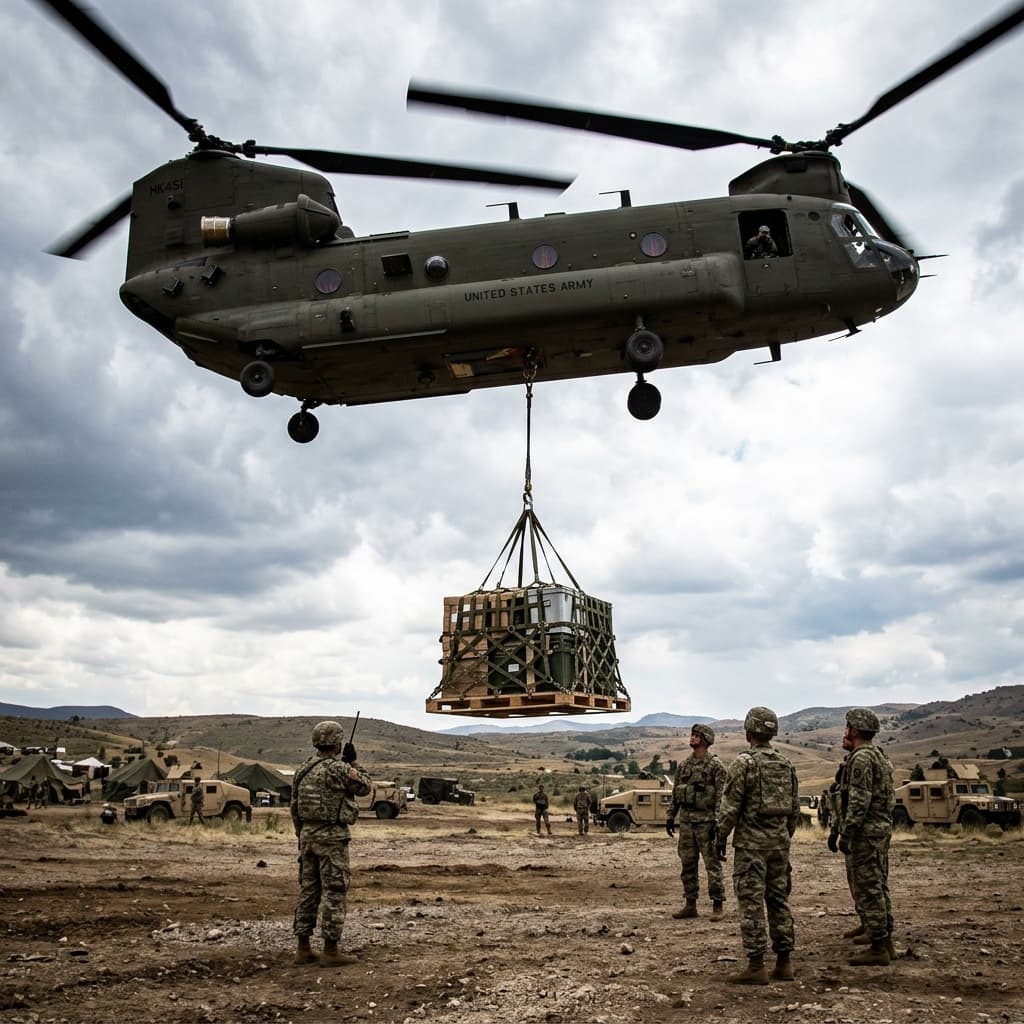
Multi layered suspension logic defines the parachute cluster. A single massive canopy cannot safely handle the brutal opening shock of heavily loaded tactical cargo. Instead, engineers deploy clustered systems—three, five, or even eight massive heavy duty parachutes grouped together. The critical engineering requirement is guaranteeing completely simultaneous inflation times. If one massive canopy inflates a half second before the clustered others, it absorbs the entire brutal unmitigated opening shock of the massive three ton load, instantly blowing its nylon panels apart, creating a devastating chain reaction that strips the remaining canopies.
Honeycomb crushing material forms the final line of defense. The primary parachutes only decelerate the terrible mass to approximately thirty feet per second. Striking the hard ground at that speed will instantly total a vehicle axle or shatter highly sensitive electronic payloads. Riggers systematically build massive, deeply complex layers of specialized thick cardboard honeycomb directly underneath the heavy primary load on the pallet. This honeycomb is heavily engineered to completely crush and deform upon impact, aggressively absorbing the massive kinetic energy spike that would otherwise completely obliterate the cargo.
Rigging the load explicitly demands extreme tension management. Heavy equipment is heavily restrained utilizing complex chains and heavy duty nylon webbing ratcheted aggressively tight. If a rigged vehicle possesses massive heavy shock absorbers, those delicate shocks must be heavily compressed and bound explicitly tight prior to the drop. If left loose, the massive vehicle will dynamically bounce heavily on its own suspension as the huge parachute opens, generating deep harmonic ripples through the tight rigging lines that can violently unseat heavy components.
Water drop protocols entirely invert the baseline rigging strategy. Dropping a highly sensitive rubber inflatable boat or a specialized tracking array onto the ocean surface fundamentally differs from a hard land drop. Instead of heavy crushing energy absorption, the rigging must focus entirely on aggressive automated detachment. The moment the heavily loaded pallet violently hits the water, complex salt water activated explosive bolts must instantly sever the heavy parachute lines, ensuring the massive sinking canopy explicitly does not drag the crucial floating payload violently to the ocean floor.
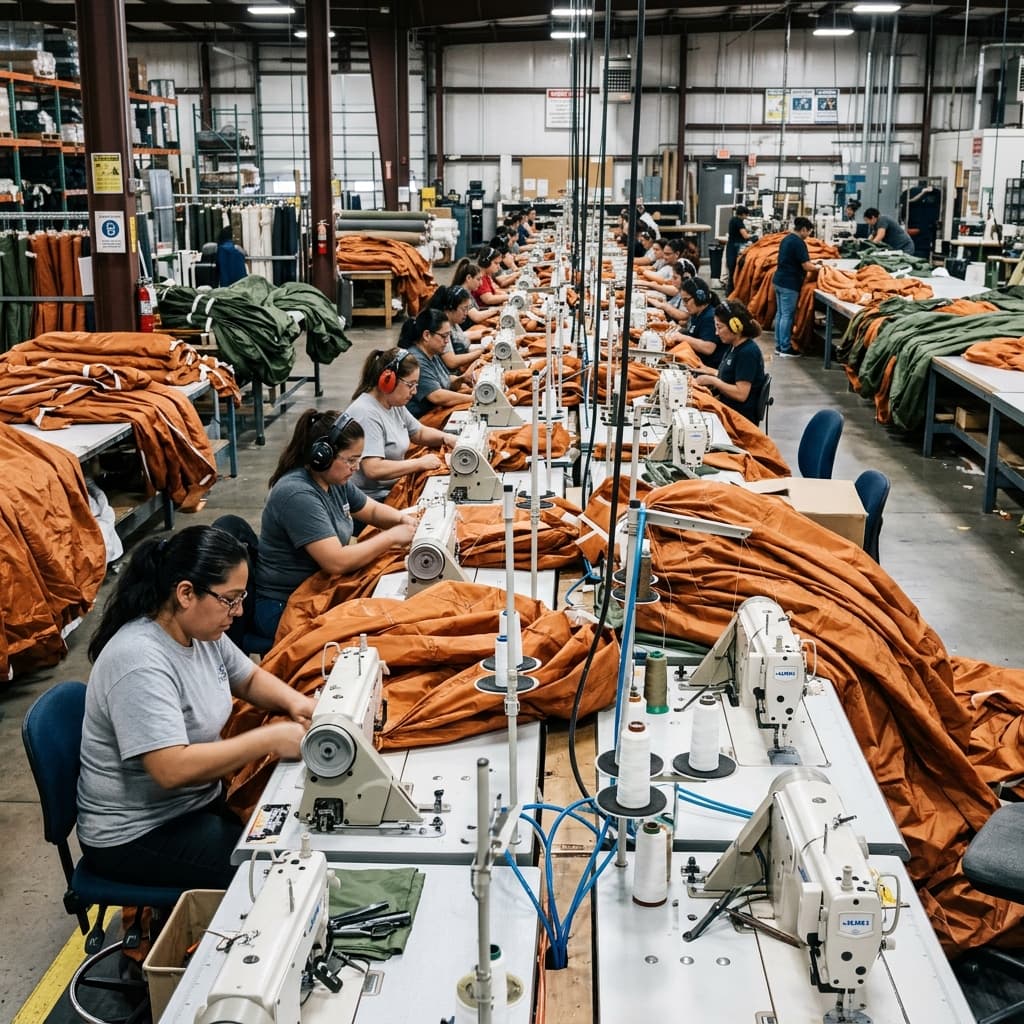
Executing heavy combat airdrops represents the peak optimization of brute force logistics. It is an incredibly violent, aggressive process entirely dominated by precise mathematical tension and massive energy dissipation. Success depends completely on perfectly marrying delicate meteorological calculations with the deeply unsentimental application of heavy chains, thick canvas, and massive crushable buffers.
We can present findings in a working session, map recommendations to your portfolio and risk register, and help you prioritize next steps with clear owners and timelines.