Insights · Article · Shelter Systems · Apr 2026
Architecting electrical systems for soft-wall expedition shelters: balancing daisy-chained light strings, managing high-draw equipment, grounding procedures in varied soil, and ensuring electrical safety in wet environments.
Power distribution within an expedition shelter is not simply a matter of running extension cords from a generator. A shelter is a dynamic environment susceptible to moisture, condensation, extreme temperatures, and heavy foot traffic. A haphazard electrical setup is an immediate fire and shock hazard, particularly in soft-wall structures where the structure itself offers no ground path and limited physical protection for wiring. Designing a safe power distribution plan requires applying permanent-facility engineering principles to temporary, ruggedized hardware.
The primary power entry point is the critical junction between the external generator system and the sensitive internal equipment. Power should enter the shelter through a dedicated, sealable utility port, never through a personnel door where cables can be tripped over or crushed by the door frame. Immediately upon entering the shelter, the main feed must terminate at a distribution box equipped with marine-grade breakers and ground-fault circuit interrupters (GFCI). This box isolates the internal circuits, ensuring that a fault in one piece of equipment does not trip the main generator and plunge the entire facility into darkness.
Grounding in field deployments is often the most misunderstood and compromised aspect of the electrical plan. Because the shelter frame sits on earth, there is a dangerous assumption that it is naturally grounded. In dry sand, rocky terrain, or frozen soil, the earth may have incredibly high electrical resistance, rendering standard grounding rods ineffective. The engineering plan must include soil resistivity testing and specify the required grounding array—which may involve multiple deep-driven rods chemically treated to lower resistance—to achieve the necessary safety threshold before the distribution box is energized.
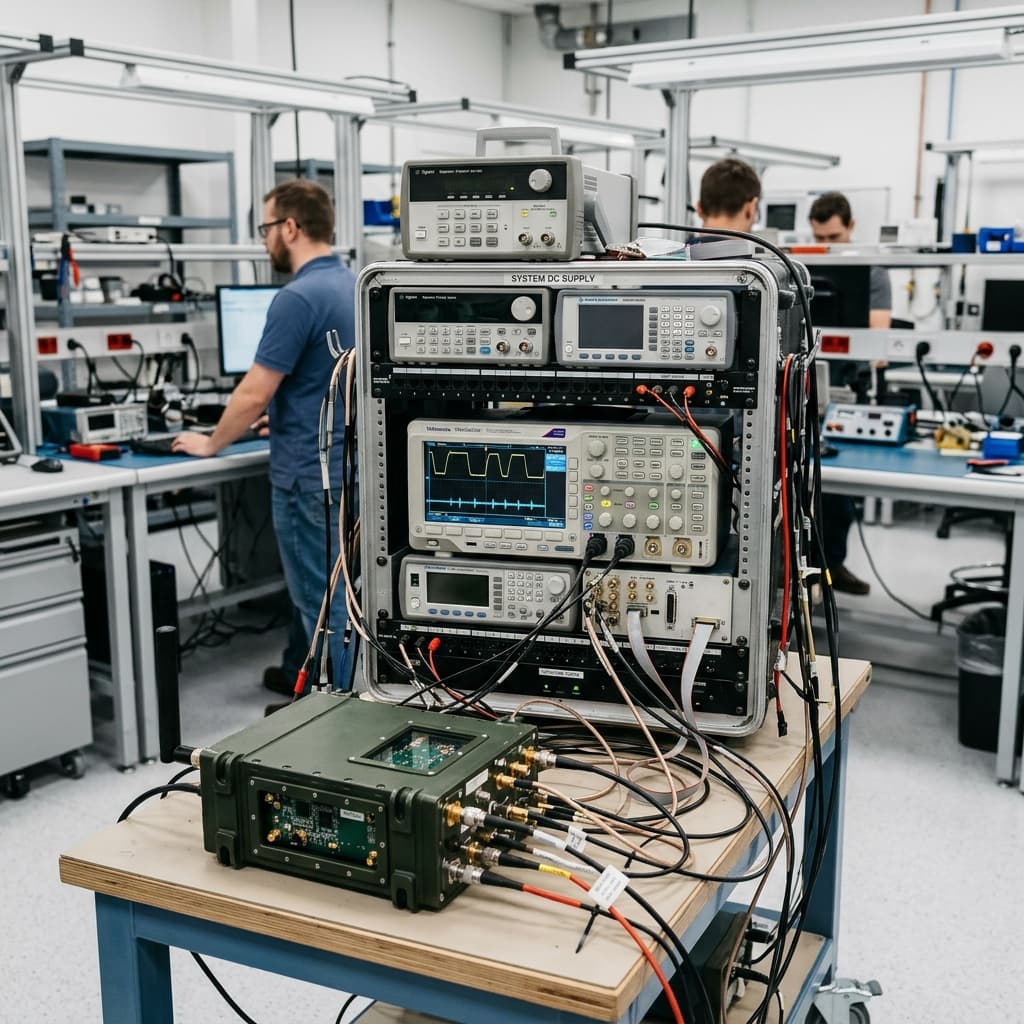
Lighting design for soft-wall shelters relies heavily on daisy-chained LED strings suspended from the roof frame. While LEDs draw minimal current compared to legacy incandescent systems, stringing too many units end-to-end causes significant voltage drop. By the end of a long run, the voltage may be too low to reliably drive the last fixtures, causing flickering or failure. The power plan must define the maximum run length based on the wire gauge of the lighting harness, utilizing 'home runs'—direct cables from the distribution box—to feed independent strings rather than one massive continuous loop.
Blackout discipline complicates lighting design in tactical deployments. If a shelter is opened at night, light spilling out can compromise the location. The electrical architecture should incorporate automatic door-switch relays that instantly extinguish or dim the interior white lights, or switch them to a tactical color like red or green, whenever the primary entry door is unzipped. This automated response removes human error from light discipline.
Managing high-draw equipment, such as server racks, medical sterilizers, or large communication arrays, requires dedicated circuits. Running a high-draw device on the same circuit as the lighting or general utility outlets guarantees tripped breakers during peak load. The shelter's physical layout must be coordinated with the electrical plan so that high-draw equipment is placed near the primary distribution box, minimizing the necessary length of heavy-gauge cable runs inside the tent.
Cable management inside the shelter is a primary safety enforcement mechanism. Cables must never be routed across the floor where they pose trip hazards and are subjected to crushing from heavy boots or equipment carts. All wiring should be routed overhead, suspended from the shelter's arch frame using insulated hangars, dropping down vertically only at the specific locations where power is needed. This 'ceiling grid' approach protects the cables from mechanical damage and keeps them above any potential flooding or spilled liquids on the floor.
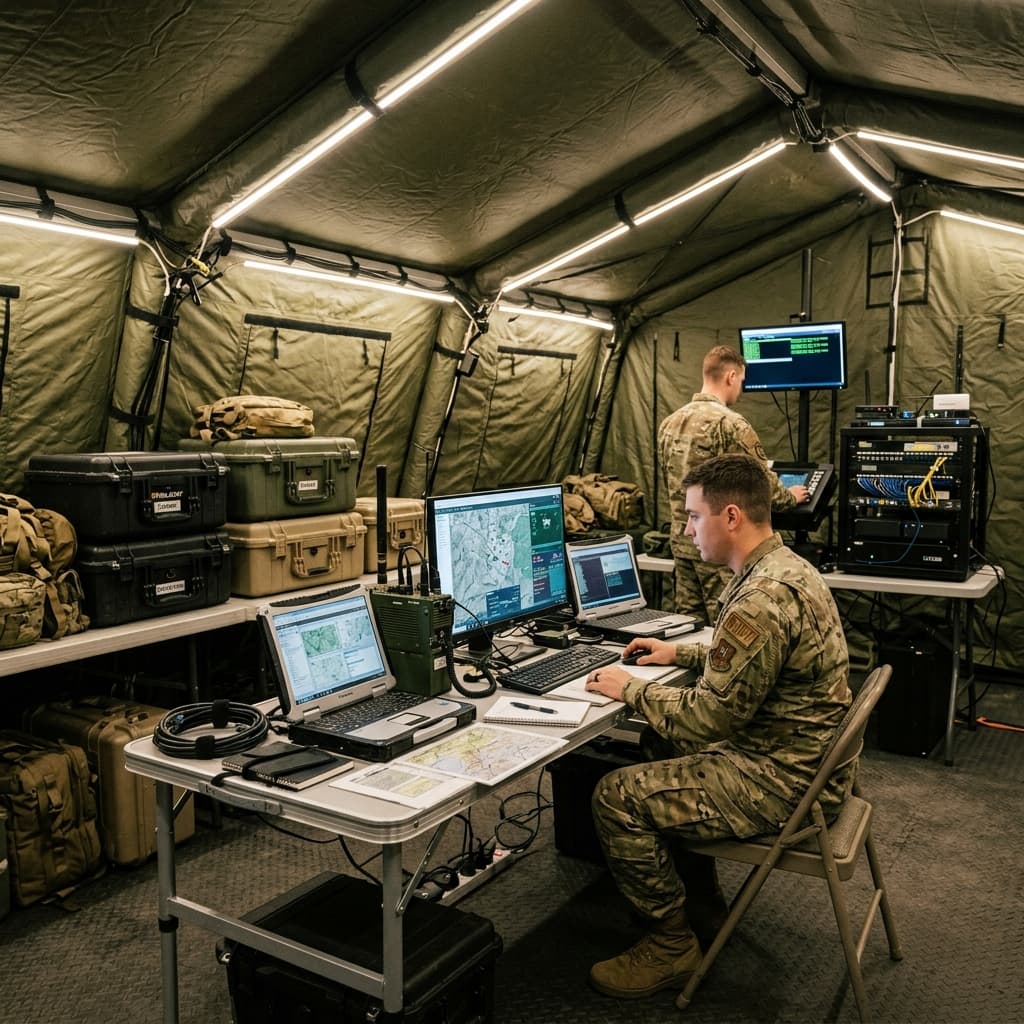
Environmental protection of electrical components is mandatory. Moisture is the enemy of temporary power grids. Even inside a shelter, condensation dropping from the roof or high ambient humidity can penetrate commercial-grade plugs and switches. All internal distribution boxes, receptacles, and lighting fixtures must carry an appropriate Ingress Protection (IP) rating—typically IP54 or higher—guaranteeing they are sealed against splashing water and dust. A single non-rated power strip brought in by personnel can compromise the safety of the entire grid.
Emergency lighting and egress marking must operate independently of the main generator feed. In the event of catastrophic power loss or a generator failure, the shelter will instantly become pitch black, creating panic and making evacuation difficult. Battery-backed emergency egress lights installed above the exits, combined with photoluminescent tape marking the door frames and floor pathways, ensure that personnel can safely navigate out of the structure without relying on external power.
Routine inspection of the electrical grid is a daily operational requirement. Due to the temporary nature of the installation and constant movement within the shelter, connections can become loose, cables can chafe against the aluminum frame, and GFCI breakers can degrade. The inspection must involve physically checking cable routing, verifying that connectors are tightly mated and dry, and testing the trip function on all GFCI breakers. In a soft-wall shelter, an electrical fire is catastrophic, making preventative inspection critical.
We facilitate small-group sessions for customers and prospects without requiring a slide deck, focused on your stack, constraints, and the decisions you need to make next.