Insights · Article · Rugged Hardware · Apr 2026
Engineering electronics for naval and littoral environments: interpreting MIL-STD-810 salt fog testing, galvanic corrosion prevention, the limitations of stainless steel, and long-term encapsulation strategies.
The marine environment is the most hostile natural setting for electronics. Saltwater is a highly conductive, highly corrosive electrolyte that systematically attacks exposed metals, shorts circuit boards, and degrades polymer seals. Equipment mounted on naval vessels or deployed in littoral zones does not need to be submerged to fail; the ambient salt fog present in the coastal air is sufficient to initiate catastrophic corrosion. Engineering for this environment requires material selections and protective methodologies that go far beyond standard weatherproof ruggedization.
MIL-STD-810 Salt Fog testing evaluates the effectiveness of protective coatings and finishes. The standard test places the equipment in a heated chamber into which a 5% sodium chloride solution is continuously atomized, typically for 48 hours of exposure followed by 48 hours of drying. This accelerated test rapidly reveals microscopic pinholes in anodizing, weaknesses in connector plating, and areas where galvanic corrosion will occur. However, passing a 96-hour test does not guarantee a system will survive five years on a ship's mast; it only proves the initial integrity of the applied finishes.
Galvanic corrosion is the primary failure mechanism in multi-material assemblies. When two dissimilar metals—such as an aluminum chassis and a stainless-steel screw—are in contact in the presence of salt-laden moisture, they form a galvanic cell. The less noble metal (the aluminum) acts as an anode and sacrifices itself, rapidly corroding away around the steel screw. Applying a dielectric barrier, such as a nylon washer or a specialized jointing compound, is mandatory to break the electrical connection between the metals and halt the galvanic reaction.
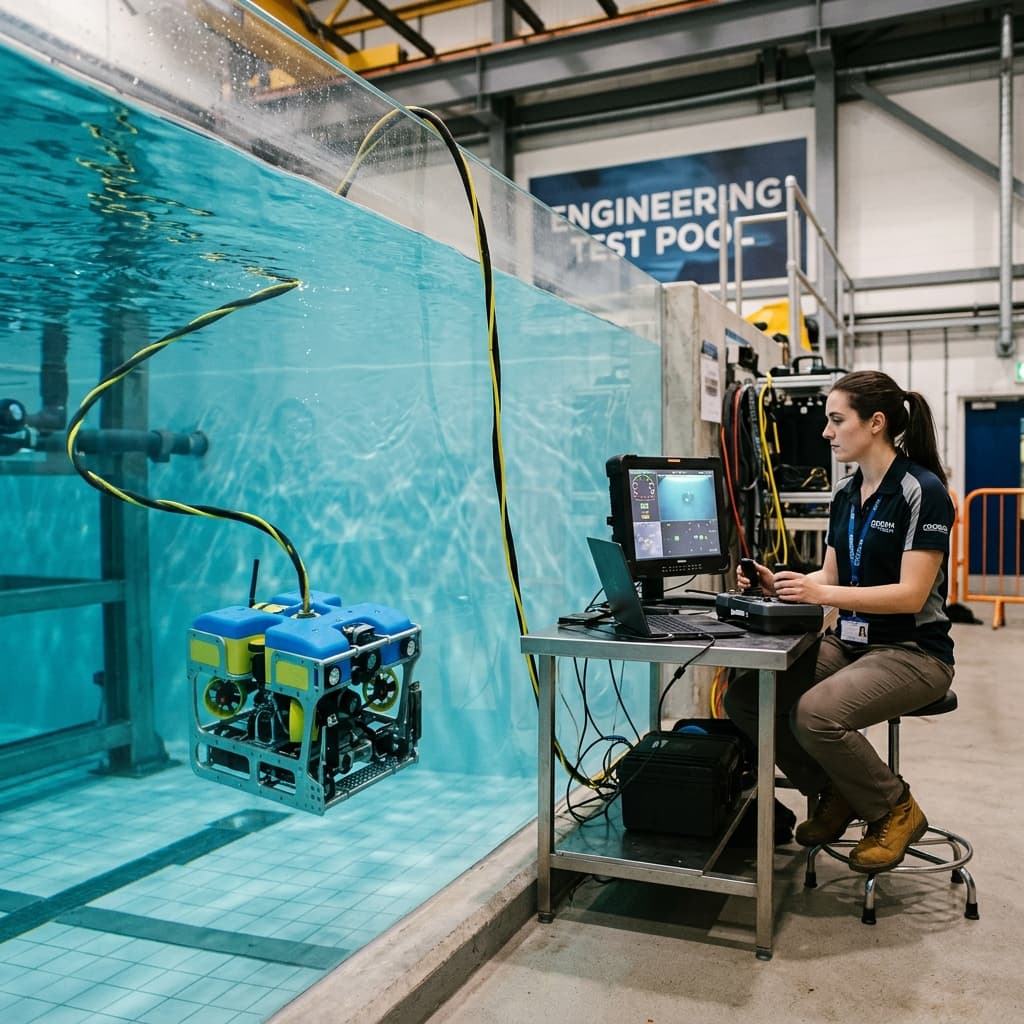
Stainless steel is not universally 'stainless.' The passive chromium oxide layer that protects 300-series stainless steel requires oxygen to maintain itself. If a stainless-steel bolt is threaded into a blind hole where salt water can penetrate but oxygen cannot circulate—a condition known as a crevice—the passive layer breaks down. The resulting crevice corrosion can eat completely through a 316-grade stainless bolt in a matter of months. Designing out crevices and ensuring all hardware can drain and dry is critical for long-term marine deployment.
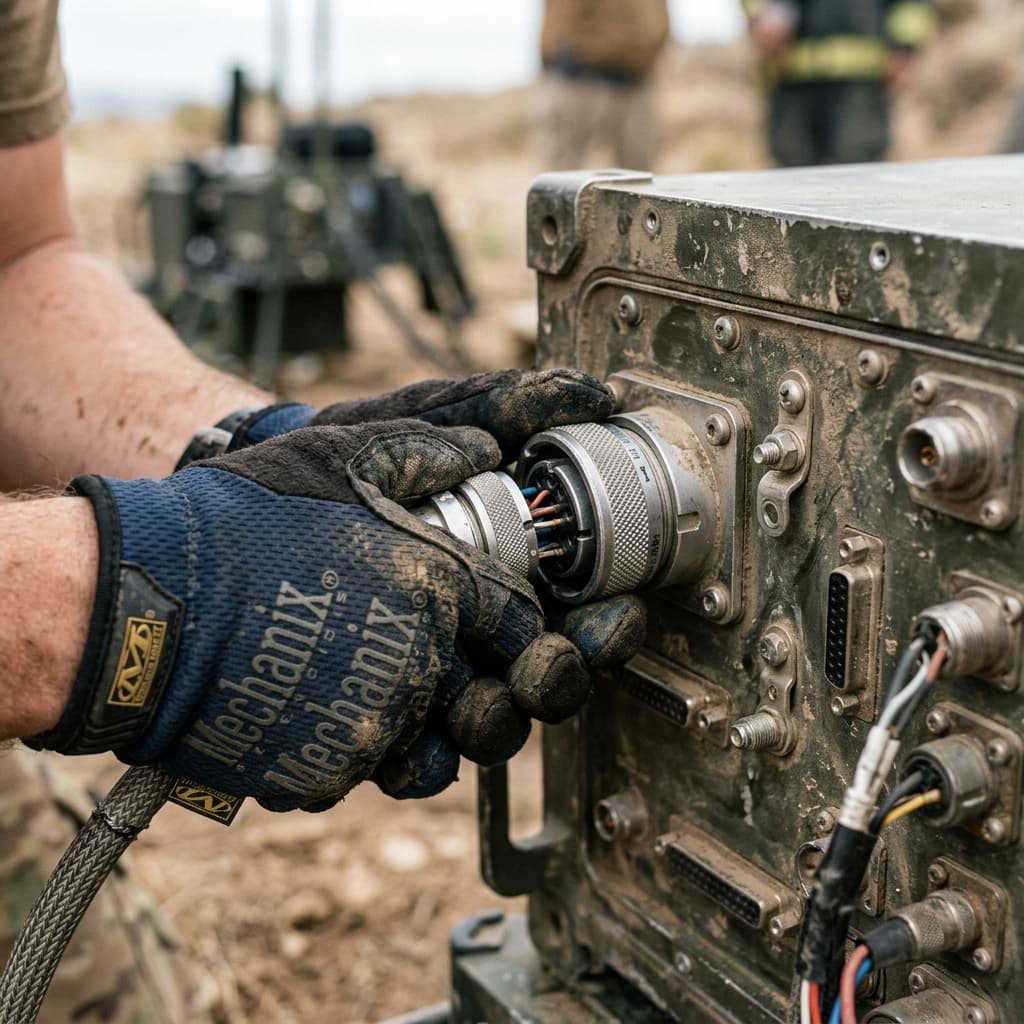
Connector selection directly dictates the lifespan of external marine systems. Standard commercial connectors will corrode to uselessness within days of salt fog exposure. Marine connectors must feature robust plating, typically nickel-aluminum-bronze or specialized marine-grade composites, rather than standard cadmium over aluminum. Additionally, the connector shells must be packed with dielectric grease before mating to displace any trapped moisture and prevent salt crystals from forming between the delicate signal pins.
Anodizing and chemical conversion coatings protect aluminum enclosures. A Type III hard-coat anodize provides excellent abrasion resistance but can be slightly porous. For maximum salt fog resistance, the anodized surface must be sealed using a dichromate or similar sealing process to close the microscopic pores. Any scratch through the anodize layer exposes the bare aluminum to aggressive pit corrosion; therefore, hard-coat anodize is often used in conjunction with a heavy epoxy or polyurethane topcoat marine paint system.
Encapsulation and potting provide the ultimate defense for mission-critical circuit boards where serviceability is not required. By casting the entire PCB assembly in a solid block of thermally conductive epoxy or silicone potting compound, the electronics are completely isolated from the humid, salty atmosphere. Unlike conformal coating, which provides a thin barrier, deep potting eliminates all air voids, ensuring that even if the outer metal chassis completely corrodes away, the enclosed circuitry remains perfectly sealed and operational.
Grounding in a marine environment requires careful consideration of the ship's cathodic protection system. If an electronic chassis is electrically bonded directly to the steel deck of a ship without understanding the vessel's overall galvanic potential, the delicate electronic chassis can inadvertently become the sacrificial anode for that section of the ship. Dedicated grounding straps must be routed to approved grounding points, and isolation mounts may be necessary to decouple the equipment electrically from the primary hull structure.
Venting enclosures in salt fog is a double-edged sword. A sealed box will inevitably draw in humid air through its seals during thermal cycling. If this salty moisture is trapped inside, internally induced corrosion begins. Desiccant cartridges can capture initial moisture, but they eventually saturate. Permeable membrane vents (like Gore-Tex) allow the enclosure to breathe and equalize pressure without pulling liquid water inside, but they do not filter out the tiny salt aerosols present in dense fog, requiring secondary internal protection like heavy conformal coating.
We facilitate small-group sessions for customers and prospects without requiring a slide deck, focused on your stack, constraints, and the decisions you need to make next.