Insights · Article · Field Robotics · Apr 2026
Architecting the mechanical and electrical interfaces for rapid payload swapping on bomb disposal robots: managing recoil from disruptors, standardized mounting rails, and power routing for x-ray arrays.
A tactical ground robot deployed for Explosive Ordnance Disposal (EOD) is not a single-purpose tool; it is a mobile utility chassis. The mission requirement dictates the tool attached to the end of the manipulator arm. Within a single deployment, an EOD technician may need to grip a suspicious package, mount a portable X-ray panel to inspect its contents, and finally attach a high-velocity disruptor (a shotgun-like device) to neutralize the threat. Architecting the robot to rapidly, safely, and securely integrate these disparate payloads under high-stress conditions is the defining engineering challenge of EOD robotics.
Mechanical interface standardization is the prerequisite for speed. If swapping a manipulator claw for a disruptor mount requires a technician to fumble with multiple tiny screws or custom bracketry while kneeling in the dirt, the operational tempo fails. EOD robots must utilize standardized, quick-disconnect mounting rails—akin to the Picatinny rails used on infantry rifles—or heavy-duty bayonet locking collars. The physical connection must be achievable with heavy gloves on, requiring no tools, locking with a definitive tactile click that guarantees structural security before the robot drives downrange.
Managing recoil forces from kinetic payloads represents the extreme edge of structural engineering on the manipulator arm. An EOD disruptor fires a slug of water or frangible metal at immense velocity to instantly separate a detonator from an explosive charge. This firing event generates massive, instantaneous recoil. If the payload interface is weak, the recoil will shear the mounting bracket or violently strip the gears in the robotic arm's wrist actuator. The mechanical mount must incorporate significant recoil-absorbing buffers, and the arm electronics must be resilient to the brutal shock wave that travels straight down the chassis.
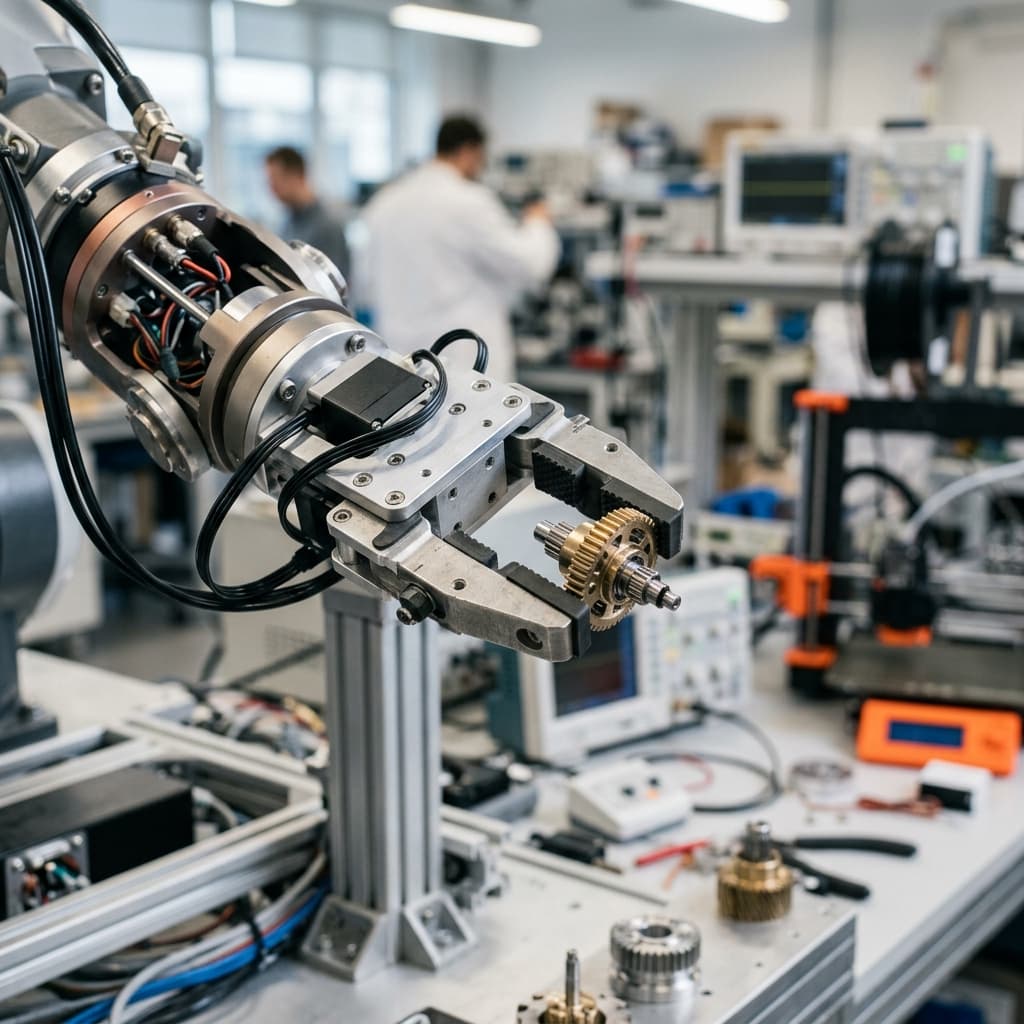
Electrical integration for advanced payloads demands universal power and data bulkheads precisely mapped adjacent to the mechanical mounts. When an operator attaches a portable digital X-ray generator to the arm, the payload requires high-voltage power and a high-speed data link back to the control console. Utilizing fragile, exposed external cables that drape down the length of the robotic arm invites snagging and severance. Modern EOD robots utilize internal slip-rings that route power and gigabit Ethernet entirely through the hollow joints of the arm, terminating at rugged, blind-mate connectors directly on the payload mounting plate.
Firmware abstraction is necessary for seamless payload swapping. The robot's primary control operating system cannot require a complete reboot or a manual software patch every time a new sensor is attached. The payload interface must utilize a protocol akin to modern 'plug-and-play' desktop peripherals. When a chemical sniffer is attached, the firmware must instantly recognize the device via an electrical handshake, route the appropriate voltage, and automatically populate the specific sensor readout GUI on the remote operator's console.
Center of Gravity (CG) displacement caused by varying payloads directly affects driving stability and arm manipulation. A long, heavy disruptor barrel attached to a fully extended arm exerts a massive lever force that attempts to tip the chassis forward. The operator interface must dynamically update, restricting the speed of the robot or limiting the maximum extension of the arm based on the newly calculated CG. Advanced platforms automatically lower their chassis stance or shift their flippers backward to counter-balance the heavy payload without requiring operator intervention.
The integration of firing circuits requires absolute, fail-safe isolation. The electrical circuit firing the disruptor or initiating an explosive charge must be physically segregated from the robot's main data bus and drive motor circuitry. A voltage spike or software glitch in the driving processors can never be allowed to jump across the board and inadvertently trigger the firing pin. Dedicated, shielded, and separately routed firing lines controlled by physical, multi-step safeties on the operator console are a non-negotiable requirement.
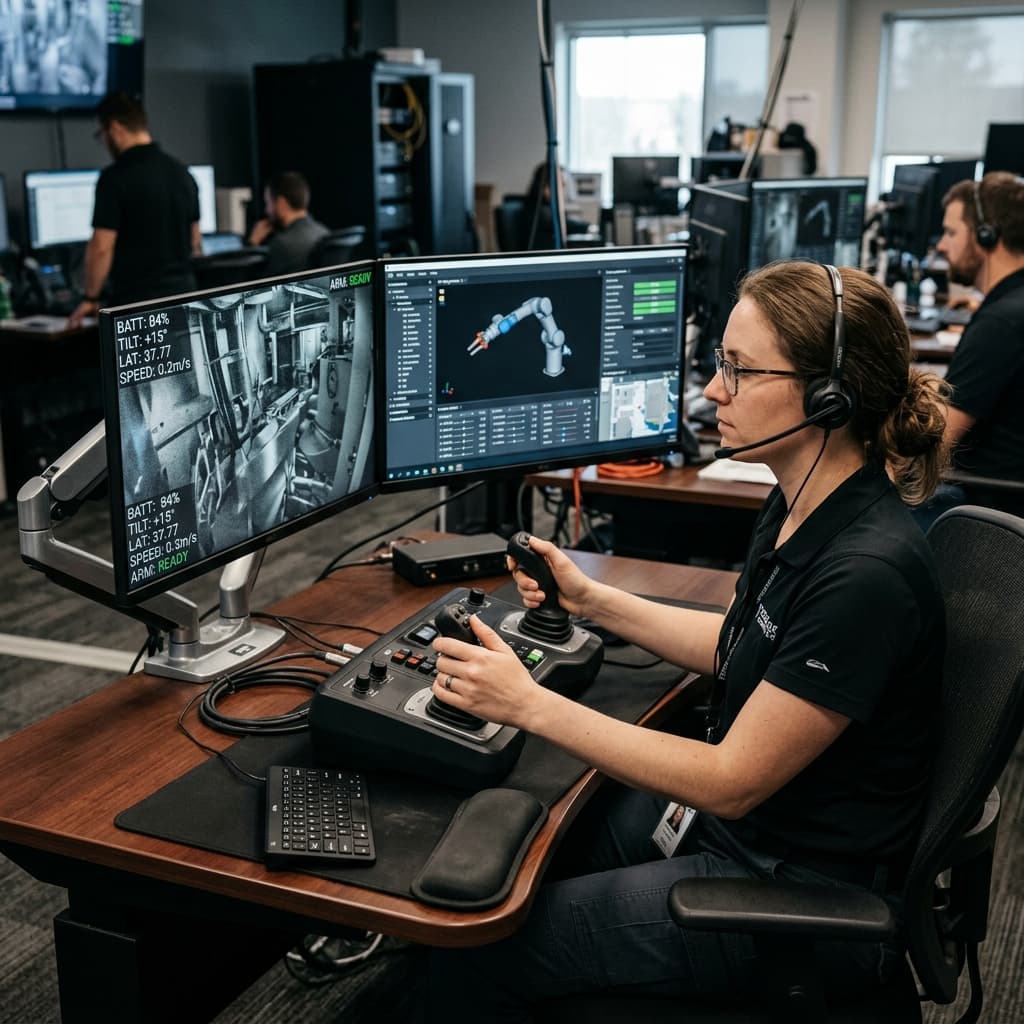
Testing payload integration goes beyond ensuring the electrical connectors mate. It requires repeated, brutal live-fire testing to verify that the shock waves do not induce micro-fractures in the mounting plate, loosen internal wire harnesses, or cause the robot's primary operating system to crash due to electromagnetic interference generated by the firing event. A robot that successfully carries a disruptor downrange but shuts off the moment it fires is a tactical liability.
We facilitate small-group sessions for customers and prospects without requiring a slide deck, focused on your stack, constraints, and the decisions you need to make next.