Insights · Article · Operations · Apr 2026
Line continuity, connector torque, and documented pack cycles for personnel and payload parachutes - what we verify before aircraft integration or airdrop tests, and how we keep records aligned with airworthiness expectations.
Parachute systems fail in ways that static loads testing alone will not predict: line twist from packing variance, asymmetric extraction, and connector wear that stays below visual thresholds until it is not. Readiness is therefore a sequence of tactile and measured checks tied to pack history, not a single glance at fabric color.
We begin with configuration control. Each canopy, harness, and release component carries a serial identity that must match the maintenance log and the mission manifest. Substituting a connector that looks identical but differs in shear pin rating is one of the fastest ways to create a silent configuration drift across a fleet.
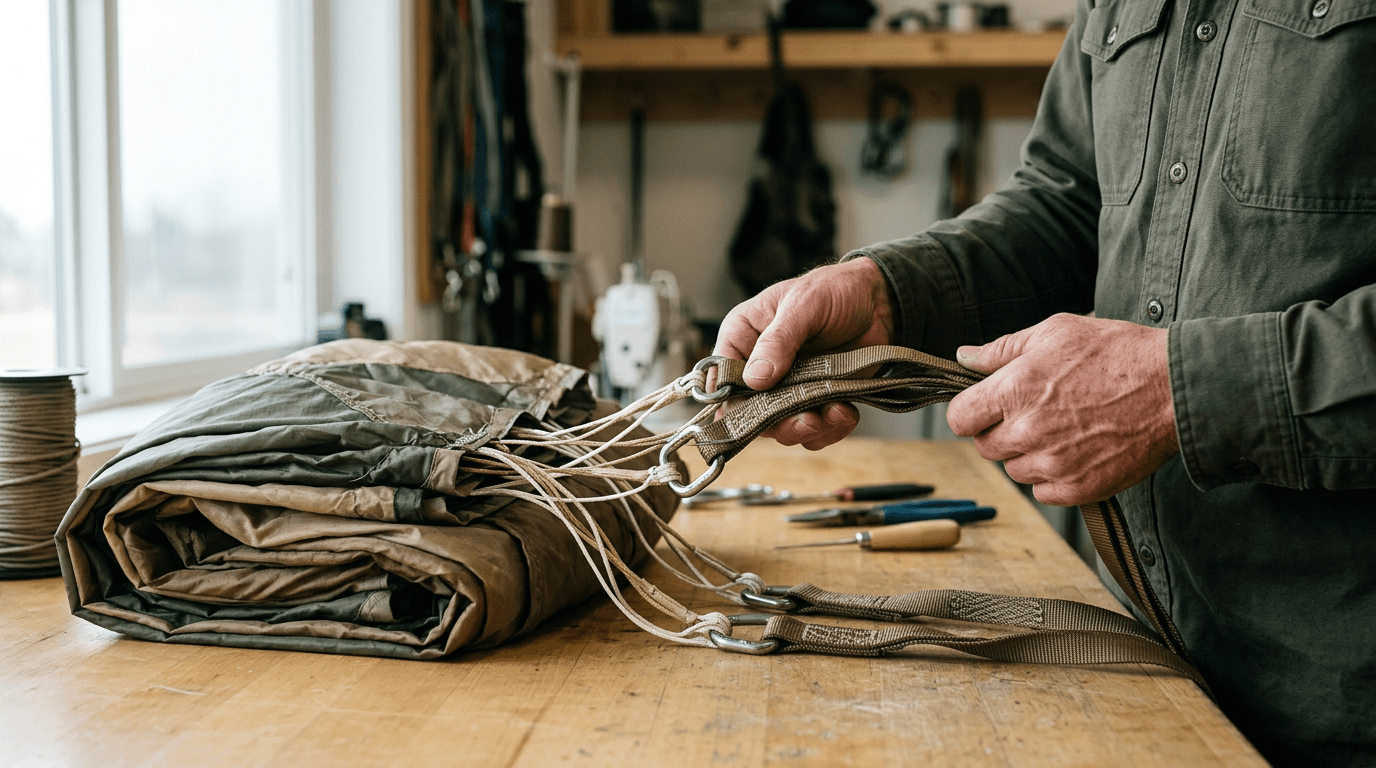
Line continuity checks should be explicit about what constitutes a pass. Fray limits, stitch pattern breaks, and elongation under sample load belong in written criteria. When two senior packers disagree, the standard wins, because the standard is what investigators will read after an off-nominal opening.
Connector torque and routing deserve photography in the work instructions. A routed riser that rubs against a sharp edge in the aircraft bay may survive static rigging but fail after vibration cycles. Document expected bend radii and tie-down points so integration teams do not optimize for convenience at the expense of chafe.
Pack cycles and repack intervals are operational data. Stretching a repack to match a demo schedule trades a small schedule win for a large tail risk. If program pressure pushes against maintenance limits, escalate with a signed deviation that names the risk owner, not an informal nod in a group chat.
Integration with aircraft or payload release systems requires cross-discipline rehearsal. Electrical release circuits should be verified with the same cable harness that will fly, including EMI exposure where switching noise is plausible. Mechanical releases should be exercised with measured pull forces rather than hand tug checks alone.
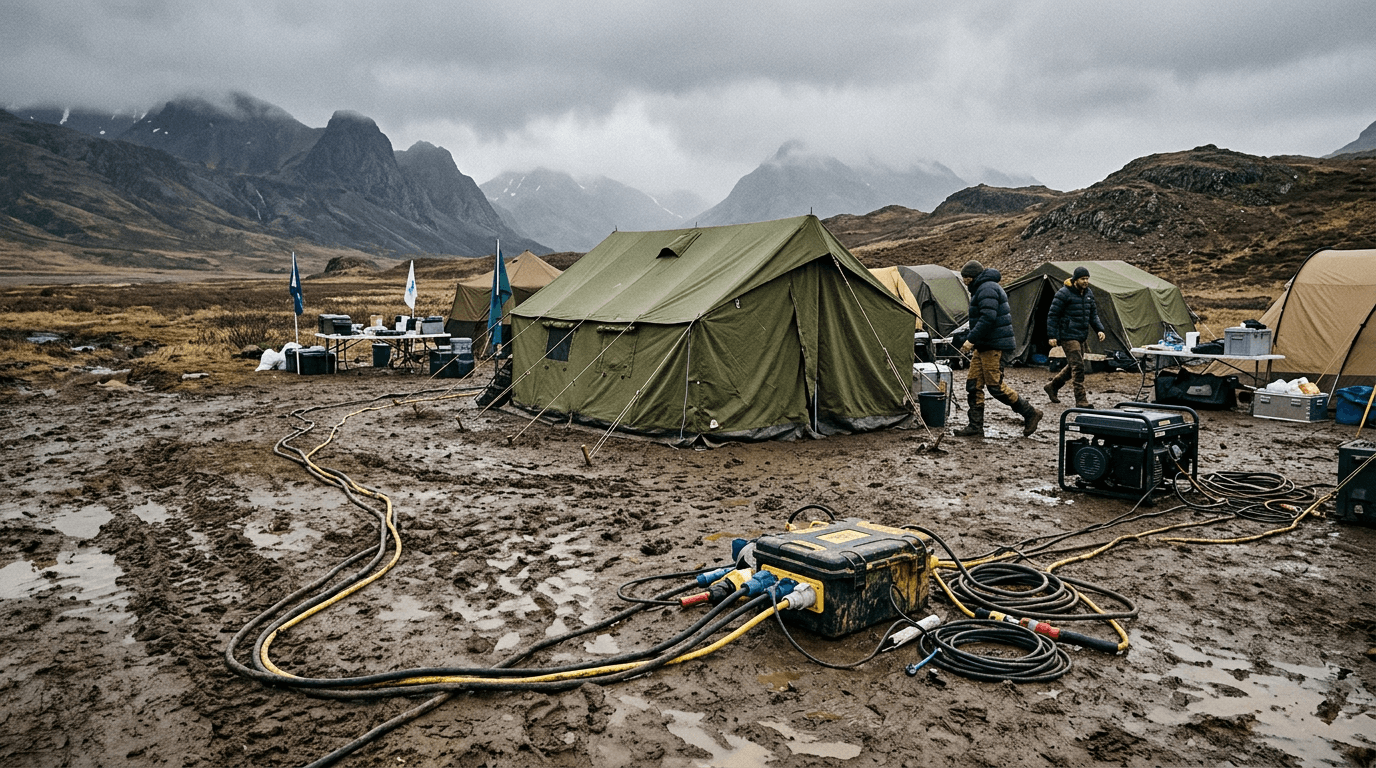
Finally, treat training as part of readiness. New packers should demonstrate proficiency under observation, and periodic recurrency should include edge cases like rushed repack after weather abort. Parachutes are one of the few subsystems where craft knowledge and regulation intersect at the folding table - preserve both with equal care.
We facilitate small-group sessions for customers and prospects without requiring a slide deck, focused on your stack, constraints, and the decisions you need to make next.