Insights · Article · Shelter Systems · Apr 2026
Engineering the connection between modular soft-wall shelters: boot assembly design, thermal bridge prevention, and methods for achieving reliable waterproof mating between independent expedition structures.
Modular shelter systems provide the scalability required for expeditionary command posts and field hospitals, allowing complex facilities to be assembled from standardized individual units. However, the connection point between two shelters is the most vulnerable point in the entire structure. A connection that fails to seal against precipitation, wind, or extreme temperatures compromises the environmental integrity of both connected modules. A boot assembly, the fabric corridor that joins two shelters, must accommodate the structural movement of both tents while maintaining an unbroken barrier against the external environment.
Boot assembly design begins with the mechanical interface. The boot must attach securely to the door frame or interconnect panel of both adjoining shelters. Hook-and-loop fasteners alone are insufficient for forming a reliable environmental seal, especially in high wind where the fabric flexes. A continuous zipper or a mechanical track system running the perimeter of the opening provides the necessary structural continuity. The zipper or track must be protected by an overlapping storm flap that is tensioned to shed water away from the joint, ensuring that hydrostatic pressure cannot build up at the connection line.
Structural movement accommodation is critical because two adjacent shelters do not move perfectly in unison during a wind event. One shelter may lean or compress while the other remains stiff, creating significant shear forces across the boot assembly. If the boot is pulled too tight upon installation, this differential movement will tear the boot fabric or damage the zipper track. The boot design must incorporate slack, typically through a bellows or folded section, allowing several inches of movement in all three axes without transferring load between the shelter frames.
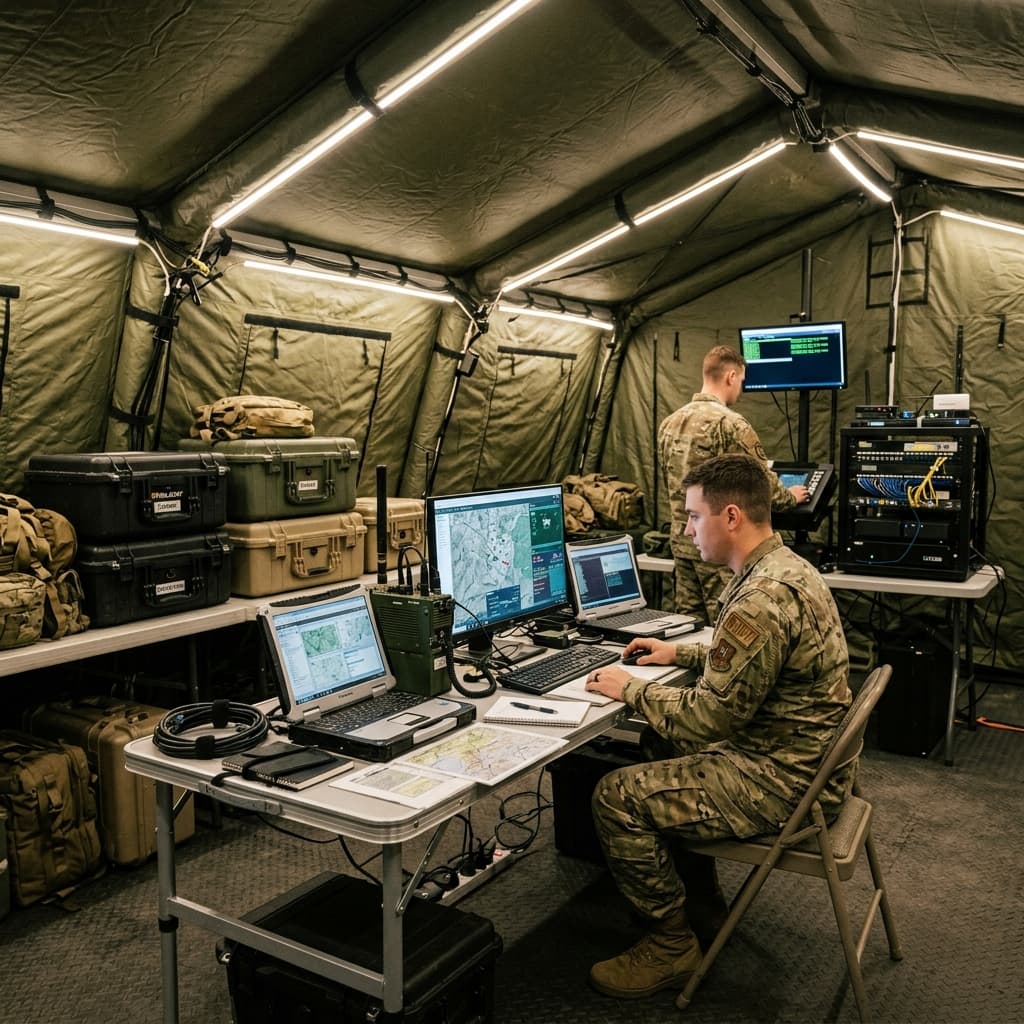
Thermal bridging at the interconnection is a common failure mode in cold weather deployments. Even if the shelter walls are heavily insulated, an uninsulated boot assembly acts as an enormous thermal leak, causing condensation to form on the interior boot walls that then drips onto personnel and equipment in the transition corridor. Boot assemblies deployed in extreme climates require the same multi-layer insulation configuration as the main shelter walls, typically an interior liner, a trapped air space or quilted synthetic insulation, and a durable outer shell.
Water management at the roof line where the boot joins the two shelters requires specific attention to slope and drainage. A flat section on the boot roof will collect rain or snow melt, eventually forcing its way through the seam or pooling until the weight compromises the boot structure. The boot must be engineered to maintain a continuous pitch that directs water off the side, often assisted by a tensioning strap located underneath the boot roof that forces a slight central apex.
Installation procedure for boot assemblies determines their field performance. The two shelters must be positioned at the correct distance and aligned squarely. A misalignment of even a few inches can make the boot difficult to zip, putting permanent unequal tension on the fabric that will lead to premature failure. Foundation preparation and careful staking using alignment templates before erecting the shelters ensures that the interconnection spans the intended geometry without forced fits.
Environmental control unit integration often complicates modular interconnections because the ECU ducts may need to pass near or through the transition area. Routing rigid ducts across the floor of a boot corridor creates a tripping hazard, while routing them near the roof can interfere with the sealing envelope. The shelter design should provide dedicated, sealable ports for ECU ducts that are clear of the modular interconnection points, allowing the boot assembly to serve purely as a personnel transit corridor without utility conflict.
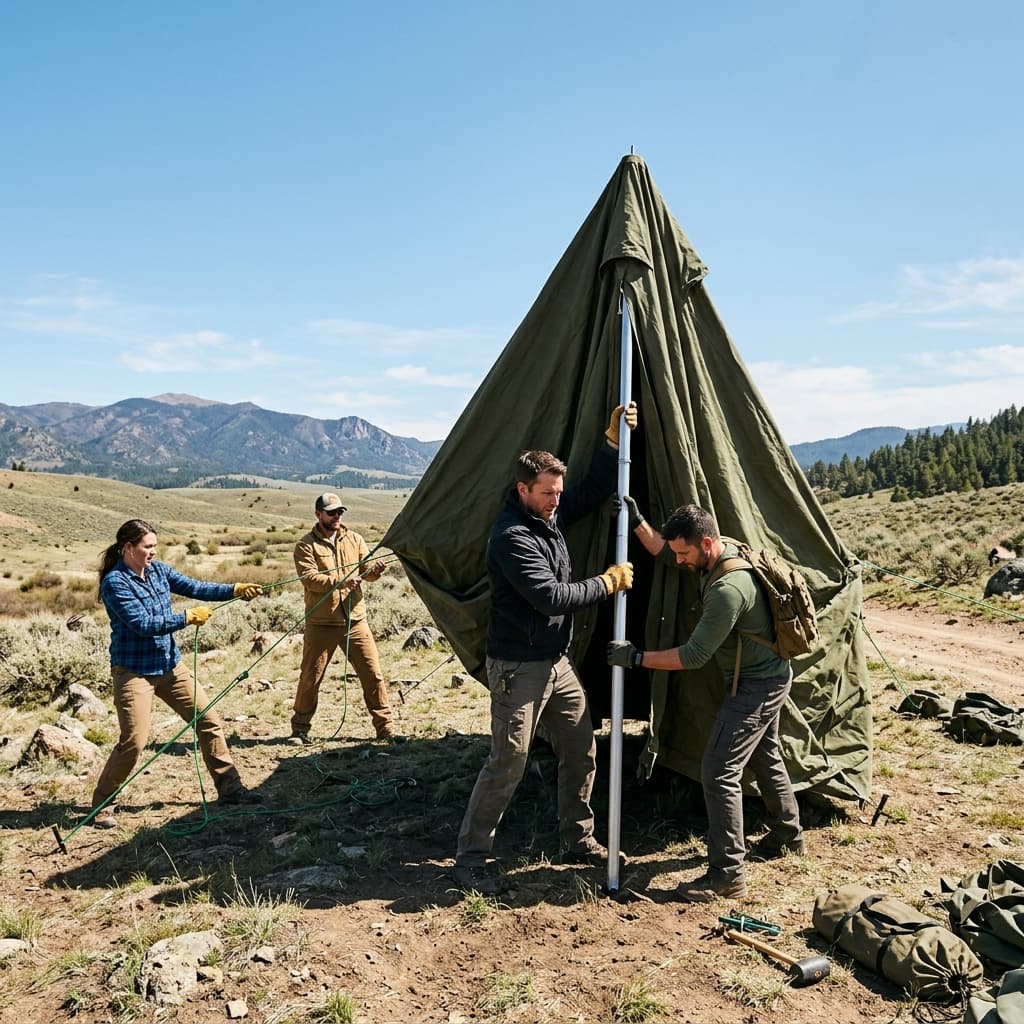
Quality verification of the interconnection seal is part of the deployment sign-off. Once the boot is installed and tensioned, a simple light-leak check from the dark interior during daylight will reveal any gross gaps in the closure mapping. A tactile inspection of the perimeter zipper and storm flap secures the mechanical joint. During the first precipitation event, the boot interior should be aggressively monitored, as the dynamic loads of wind and rain will often expose a poorly sealed connection that appeared adequate during a static visual inspection.
Maintenance of the boot assembly components is straightforward if executed consistently. The continuous perimeter zippers require lubrication to prevent binding and dirt accumulation, particularly in desert environments where fine sand acts as an abrasive on the zipper teeth. The overlapping storm flaps, which often rely on hook-and-loop material for secondary closure, must be kept free of debris to maintain their grip strength. Any tear in the boot fabric must be repaired immediately according to the specified procedures, as a tear in the high-flex transition zone will propagate rapidly under wind load.
Documentation of the complex shelter configuration, including the precise layout of modules and boot assemblies, guides the deployment and ensures repeatable performance. The site plan should specify the alignment tolerances for each module, the sequence of erection, and the specific boot sizes required if the system uses varying corridor lengths. A well-engineered modular layout is not improvised in the field; it is planned analytically and assembled methodically.
We facilitate small-group sessions for customers and prospects without requiring a slide deck, focused on your stack, constraints, and the decisions you need to make next.