Insights · Article · Field engineering · Apr 2026
Sizing galleys, lighting, compute, and environmental control for extended field camps: distribution architecture, grounding discipline, and how we avoid silent faults that show up as brownouts or condensation weeks into a deployment.
Expedition shelters fail quietly. A marginally undersized cable run does not trip a breaker on day one; it warms up until insulation softens or a connector resistance creeps high enough to fault under peak load. Thermal and electrical planning for field camps is therefore about sustained duty cycles, not nameplate ratings copied from datasheets.
We start from an honest load inventory: continuous versus peak loads, power factor where AC distribution is involved, and inrush when compressors or motor drives start. Add telemetry loads early - if you plan to instrument the shelter, those gateways and radios are part of baseline power, not a stretch goal.
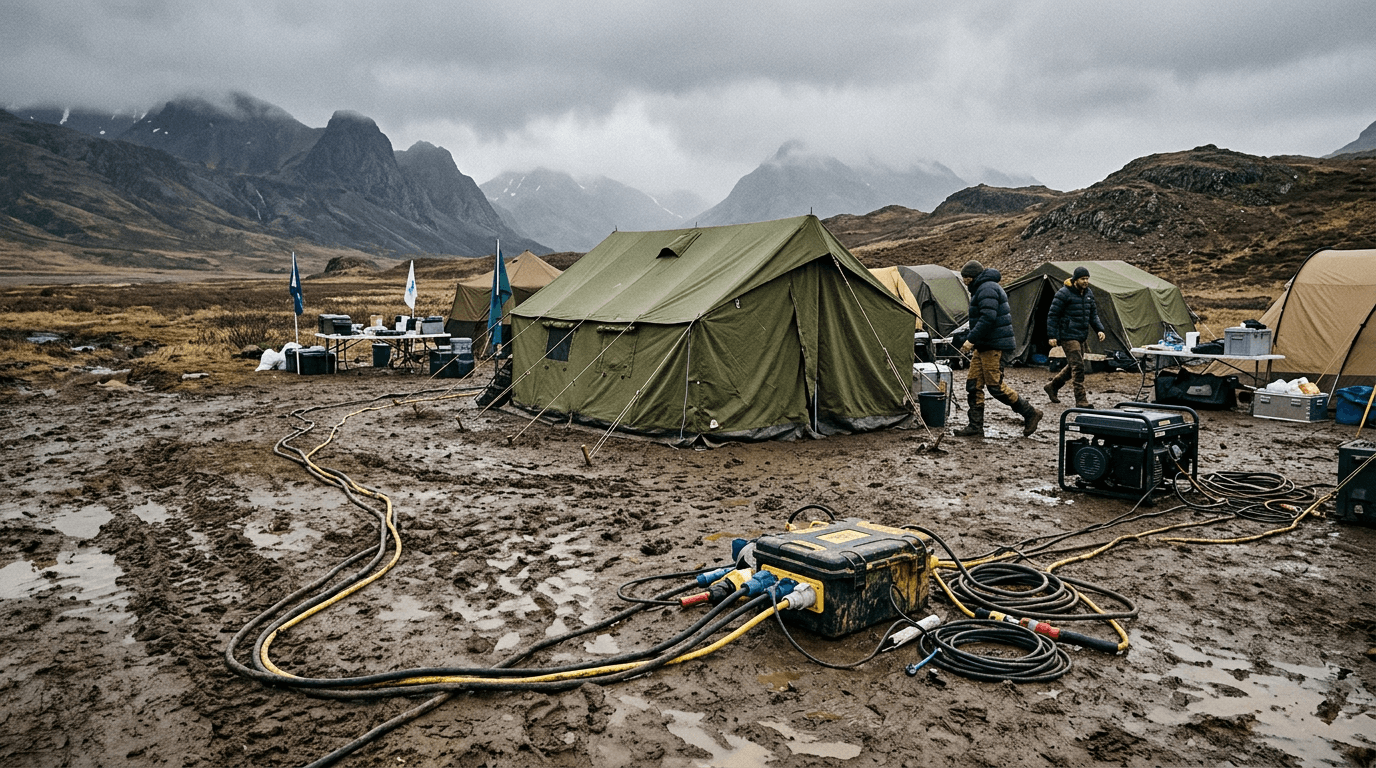
Grounding and equipotential bonding matter as soon as you mix generators, inverters, and sensitive electronics. Separate chassis ground from noisy returns on paper before you separate them in copper. Field teams should be able to point to a single-line diagram that matches what is deployed, including spares and temporary taps.
Thermal management is more than HVAC sizing. Condensation follows cold surfaces and airflow dead zones. Plan for dehumidification or venting strategies that match the climate envelope you actually expect, including rain ingress when doors open for equipment moves. A dry rack on paper becomes a wet rack when airflow assumptions are wrong.
Runtime planning should include fuel or energy logistics at the mission cadence you intend to fly, not the cadence you hope for. Battery swap procedures, generator refuel windows, and maintenance access during peak demand should be rehearsed. Silent faults often appear when two subsystems share a bus without coordinated peak shaving.
Documentation for shelter power should travel with the site pack: cable gauges, fuse maps, and authorized modifications. Ad hoc splices are how teams meet a deadline and how programs lose reproducibility between locations. If a workaround is necessary, photograph it and file it as a controlled deviation.
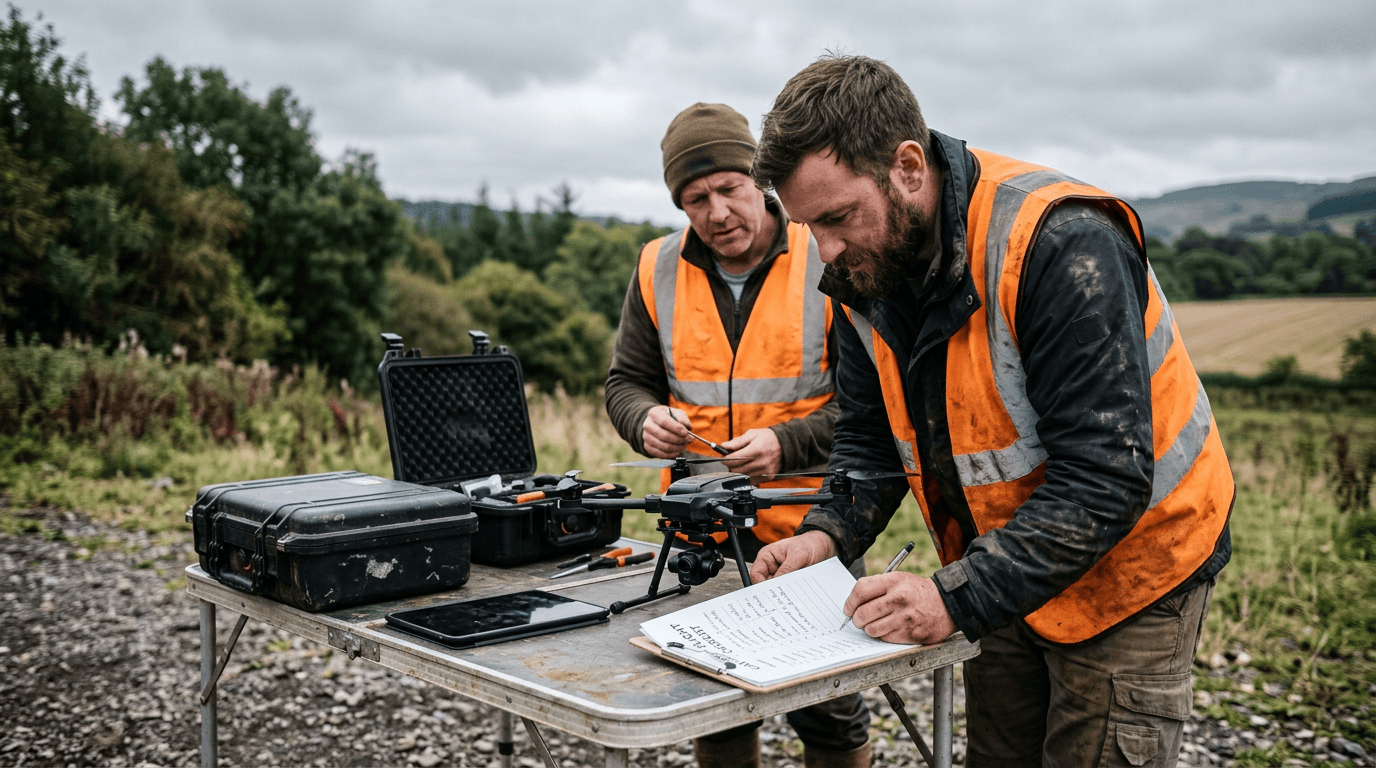
Finally, tie shelter readiness to mission outcomes. If compute uptime is a requirement, express it as measurable hours and test it under representative thermal load before declaring operational capability. Field engineering credibility comes from measured runtime, not from a stack of optimistic spreadsheets.
We facilitate small-group sessions for customers and prospects without requiring a slide deck, focused on your stack, constraints, and the decisions you need to make next.